
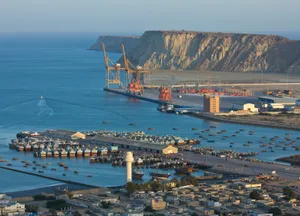
In a significant move that could reshape regional trade dynamics, Pakistan has officially offered Turkmenistan access to its deep-sea ports in Karachi and Gwadar. The development came during Prime Minister Shehbaz Sharif’s two-day visit to Ashgabat, where he met Turkmen President Serdar Berdimuhamedov on the sidelines of an international forum.
The proposal marks a strategic shift toward closer regional integration, opening new land and sea routes that could transform Pakistan into a major commercial gateway for Central Asia.
A New Trade Corridor for Central Asia:
Turkmenistan, a landlocked nation heavily dependent on overland routes, has long sought diversified access to global markets. Pakistan’s offer aims to create:
• New alternative trade corridors
• Reliable access to South Asia, the Middle East, and the wider global market
• Expanded land-and-sea connectivity that benefits both countries
According to official statements, the ports of Karachi and Gwadar are well positioned to support Turkmenistan’s growing trade ambitions, particularly as Central Asian nations look to reduce their logistical dependence on traditional routes.
Strategic Diplomacy in Ashgabat:
Prime Minister Shehbaz Sharif and President Berdimuhamedov met during international celebrations marking 30 years of Turkmenistan’s permanent neutrality, a globally recognized UN designation.
During the meeting, the Pakistani premier highlighted how both ports especially Gwadar, located near vital shipping lanes can serve as high-value gateways for Central Asian exports and imports.
Sharif also expressed gratitude to the Turkmen government for assisting in the evacuation of Pakistani citizens from Iran earlier this year during heightened tensions between Iran and Israel.
High-Level Delegation from Pakistan:
The Pakistani delegation included:
• Ishaq Dar – Deputy Prime Minister
• Awais Leghari – Federal Minister for Energy
• Atta Tarar – Federal Minister for Information
Their presence signals Pakistan’s intention to expand cooperation in energy, logistics, and trade infrastructure, even though no formal agreements or investment figures were announced during this round of talks.
Energy Cooperation: A Long-Term Opportunity:
Turkmenistan is one of the world’s major natural gas exporters, while Pakistan continues to face unresolved energy challenges.
Both nations have previously explored major energy projects such as the TAPI gas pipeline, which is proposed to run through Afghanistan. While progress has been slow, renewed diplomatic engagement may help revive long-term energy cooperation discussions.
Invitations for High-Level Visits in 2026:
Prime Minister Shehbaz Sharif extended formal invitations to:
• President Serdar Berdimuhamedov, and
• Former President Gurbanguly Berdimuhamedov, now recognized as the National Leader of the Turkmen People for official state visits to Pakistan in 2026.
These visits could push forward economic agreements, investment frameworks, and energy partnerships.
Participation in Global Peace Forum:
Shehbaz Sharif is also attending the International Forum on Peace and Trust, organized to mark the UN’s declaration of 2025 as the International Year of Peace and Trust. The forum reflects Turkmenistan’s long-standing diplomatic identity centered around neutrality and peaceful cooperation.
Why This Matters for Regional Business & Investment:
Pakistan’s offer has the potential to:
• Position Karachi and Gwadar as regional trade hubs
• Strengthen economic ties between South Asia and Central Asia
• Enhance Pakistan’s relevance in global supply chains
• Open doors to future energy, logistics, and infrastructure investments
If fully realized, the collaboration could reshape commercial flows across the region, making Pakistan a central player in Central Asian trade connectivity.