
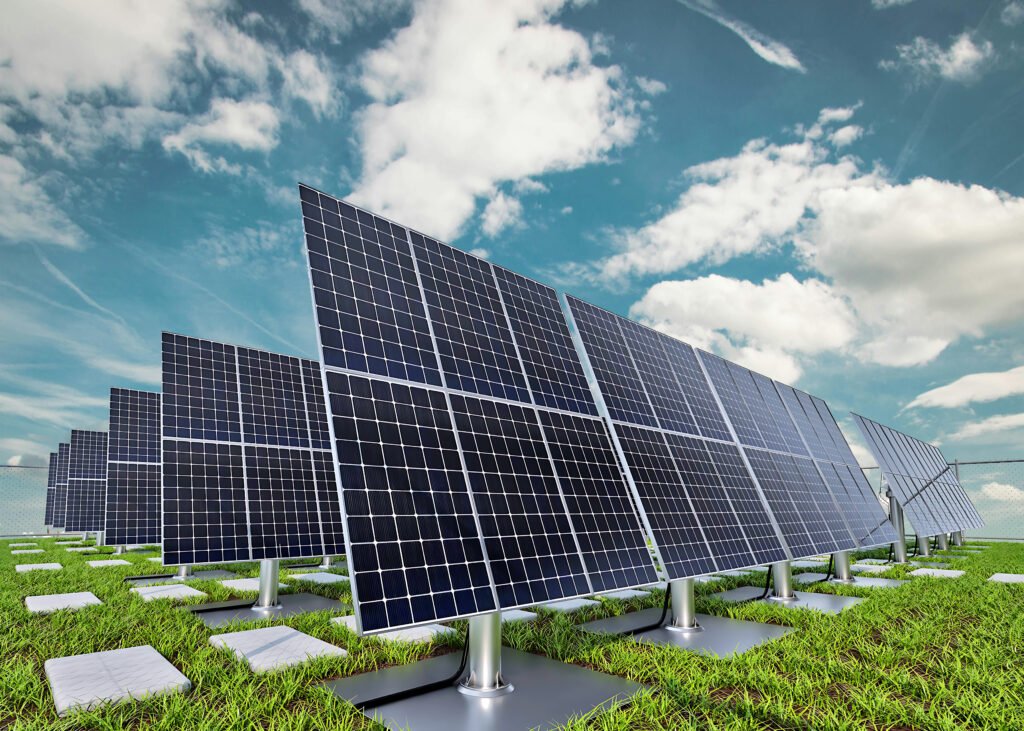
Pakistan is undergoing a rapid solar energy transformation, and it could lead to a surreal milestone as early as next year. According to government officials, rooftop solar power in industrial hubs like Lahore, Faisalabad, and Sialkot may drive daytime electricity production so high that it actually exceeds what the national grid demands.
Aisha Moriani, the Secretary of the Ministry of Climate Change and Pakistan’s lead at COP30, explained that in some daylight hours, solar output from homes and businesses could fully offset, or even go beyond, the grid’s need for electricity. She described this phenomenon as “negative grid-linked demand,” a scenario rarely seen in developing markets but more common in parts of Europe and Australia.
This surge comes against a backdrop of mounting interest in solar energy, fueled by persistent power cuts and rising electricity tariffs. More and more Pakistanis are turning to solar panels for reliability and savings, and in doing so, the country has become one of the top global importers of solar equipment. In fact, its solar generation has surpassed neighboring China in some respects.
But this boom isn’t without its challenges. The growing oversupply of solar power is creating financial stress for Pakistan’s utilities, many of which are already grappling with debt. As the grid demand drops during sunny hours, revenue declines, prompting concern about grid maintenance and sustainability.
To address this, the government is proposing new policies. Solar users — especially large-scale adopters — could face revised tariffs to ensure everyone contributes fairly to grid upkeep.
At the same time, Pakistan is rethinking its energy import strategy. Officials report they’re negotiating more flexible LNG contracts, aiming for pricing and terms that better suit the shifting demand dynamics. Their goal? To balance affordability, stability, and evolving energy needs — and try to recalibrate Pakistan’s energy future around the solar revolution that’s already under way.