
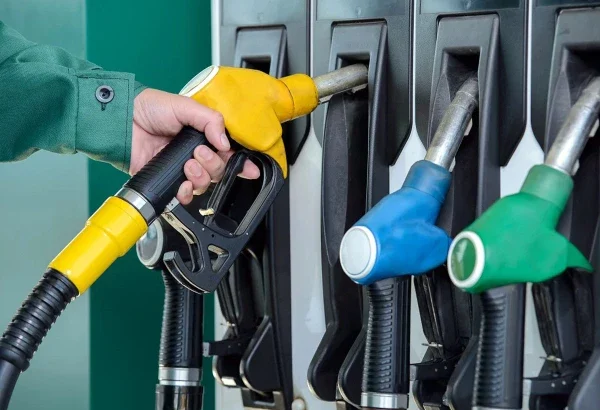
The government has increased the petrol price by Rs5.77 per litre and the price of high-speed diesel (HSD) by Rs6.47 per litre, raising fuel costs for consumers and businesses across Pakistan.
Following the latest revision, petrol will be sold at Rs331.20 per litre, while HSD will cost Rs390.42 per litre. The new prices are effective from August 18, 2026, according to a notification issued by the Petroleum Division.
The government continues to collect Rs114 per litre in taxes and duties on petrol and Rs100 per litre on diesel, adding significantly to the overall cost paid by consumers.
The latest increase comes amid continued volatility in international oil markets and renewed tensions in the Middle East, which have disrupted global energy supply routes and increased uncertainty over crude oil prices.
Petrol Price Increases To Rs331.20 Per Litre
The petrol price has increased by Rs5.77, moving from Rs325.43 to Rs331.20 per litre.
Petrol is primarily used by private vehicles, motorcycles, rickshaws and other small vehicles. As a result, increases in petrol prices directly affect household transportation expenses, particularly for middle- and lower-middle-income consumers.
Higher petrol prices can also increase the cost of transportation services and put additional pressure on businesses that depend on road-based mobility.
The latest rate remains significantly below the record high reached earlier this year. Petrol had climbed to Rs458.41 per litre on April 3, after beginning an upward trend from around Rs266 per litre during the first week of March.
Although prices have subsequently declined from those peaks, the latest increase reflects renewed pressure from international market conditions.
HSD Price Rises To Rs390.42
The government has increased the price of high-speed diesel by Rs6.47 per litre, taking it to Rs390.42 per litre.
Diesel plays a critical role in Pakistan’s economy because it powers heavy transport, agricultural machinery, power plants and large generators.
An increase in HSD prices can therefore have a broader impact on the economy than petrol price increases. Higher diesel costs can raise transportation expenses and increase the cost of moving agricultural and industrial goods across the country.
The HSD price is still well below its record level of Rs520.35 per litre, recorded on April 3.
According to the available price history, HSD had started increasing from around Rs281 per litre after the US-Iran conflict began on February 28.
Govt Moves Toward Daily Fuel Pricing
The latest price revision comes after Petroleum Minister Ali Pervaiz Malik announced that the government would move toward daily fuel price adjustments because of fluctuations in international petroleum prices.
Under the new mechanism, the Oil and Gas Regulatory Authority (OGRA) has been given responsibility for determining fuel prices on a daily basis based on movements in international markets.
Previously, the government had been announcing fuel price revisions on a weekly basis. The weekly system had been introduced alongside fuel conservation measures amid concerns over possible disruptions to global oil supplies caused by the conflict in the Middle East.
The shift to daily pricing is intended to allow domestic fuel prices to respond more quickly to changes in international crude oil and petroleum product prices.
However, the All Pakistan Dealers Association has opposed the daily pricing mechanism and said it would consider a protest plan.
Fuel Prices Affect Consumers And Businesses
Changes in petroleum prices have a direct impact on consumers as well as businesses.
Petrol is widely used for private transportation, motorcycles, rickshaws and small vehicles. A rise in petrol prices therefore increases daily commuting costs for millions of people.
Diesel is particularly important for the transportation and industrial sectors. Heavy trucks and other commercial vehicles depend heavily on HSD, meaning an increase in diesel prices can raise freight costs.
Higher transportation expenses can eventually affect the prices of food, consumer goods and other products because businesses may pass increased logistics costs on to customers.
The impact can also extend to electricity generation in areas where diesel-powered generators are used.
Petrol And Diesel Remain Major Revenue Sources
Petrol and HSD remain among the government’s largest petroleum revenue sources because of their high consumption levels.
Monthly sales of petrol and HSD are estimated at around 700,000 to 800,000 tonnes, compared with monthly kerosene demand of only around 10,000 tonnes.
The large consumption base means changes in petroleum taxes and prices can have a substantial effect on government revenues.
At the same time, higher fuel prices can increase inflationary pressure and raise transportation costs for households and businesses.
The government therefore faces a difficult balance between maintaining petroleum revenues, responding to international market movements and limiting the impact of higher fuel costs on consumers.
With the new rates effective from August 18, petrol will now cost Rs331.20 per litre, while HSD will be available at Rs390.42 per litre.
Further changes will depend on international oil prices, global supply conditions and the government’s daily pricing mechanism.