
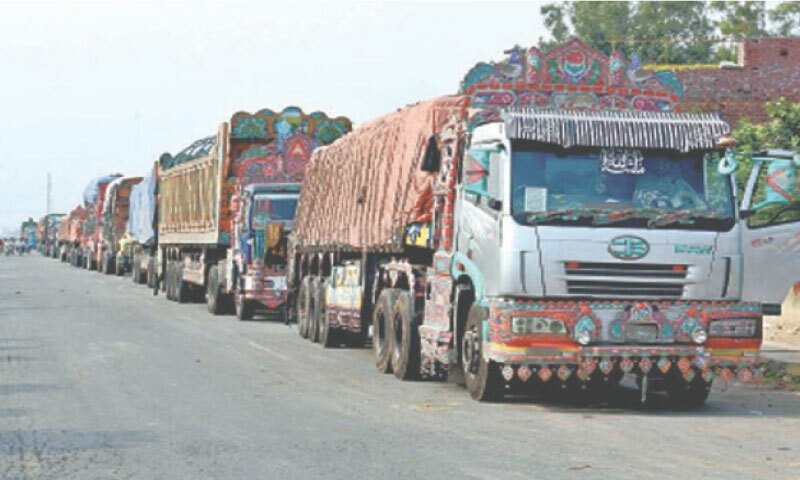
The nationwide transporters strike has emerged as a serious threat to Pakistan’s textile exports, with the Pakistan Textile Council warning that a prolonged disruption could choke industrial supply chains, delay shipments and expose exporters to potentially costly losses.
The Pakistan Textile Council has asked Prime Minister Muhammad Shehbaz Sharif to personally intervene and resolve the deadlock between the government and goods transporters, as the strike enters its third day and begins disrupting the movement of raw materials and finished export consignments.
The transporters strike, which started on August 8, has already created difficulties for manufacturers that depend on road freight to move cotton, imported inputs and other essential materials to textile production facilities. At the same time, export containers are reportedly facing delays in reaching ports, creating a growing risk for companies operating against strict international delivery schedules.
Transporters Strike Threatens Textile Export Supply Chain
In a letter marked Most Immediate and issued on August 10, PTC Chairman Fawad Anwar urged Prime Minister Shehbaz Sharif to bring the relevant government departments and transport sector representatives to the negotiating table.
The Council pointed out that Pakistan’s textile and apparel industry depends heavily on an uninterrupted transportation network. Textile mills require a continuous flow of locally sourced cotton and imported raw materials, while finished products must reach ports within scheduled shipping windows.
Any major interruption in this chain can quickly become more than a transportation problem. Delayed raw materials can force factories to slow production, while delayed containers can result in missed vessel departures, additional logistics costs and pressure from international buyers.
For an export-dependent industry already operating in a highly competitive global market, these disruptions can weaken Pakistan’s ability to compete on delivery reliability.
Export Containers and Raw Materials Face Delays
The PTC has raised concerns over three critical areas affected by the strike. Export containers are reportedly unable to move normally, imported raw materials are being held up at ports, and locally procured cotton and other essential inputs are facing difficulties in reaching textile mills.
This creates a dangerous chain reaction. If factories cannot receive raw materials, production schedules can be disrupted. If finished products cannot reach ports, exporters can miss shipping deadlines. If shipments are delayed repeatedly, overseas buyers may begin looking at suppliers in competing textile-producing countries.
The immediate damage may therefore extend beyond the duration of the transporters strike itself.
Government Must Address the Root Cause, Not Just the Strike
The PTC has acknowledged that the demands of transporters involve issues requiring coordination between multiple government departments and authorities. However, this explanation also exposes a deeper weakness in economic policymaking.
For an industry responsible for a major share of Pakistan’s merchandise exports, critical freight movement should not become vulnerable to prolonged administrative deadlock.
The government needs to establish a faster mechanism for resolving disputes involving strategically important supply chains. Waiting until factories, ports and exporters begin suffering significant disruptions risks turning a manageable dispute into an economic crisis.
Prime Minister Shehbaz Sharif’s direct intervention could help bring the relevant stakeholders together and prevent further escalation. The government should also use the current crisis to examine whether Pakistan has adequate contingency arrangements for maintaining essential industrial and export logistics during nationwide transport disruptions.
Why a Prolonged Transporters Strike Could Become Expensive
The textile sector cannot afford an extended disruption. Exporters operate around vessel schedules, production commitments and international buyer deadlines. A delay of even a few days can create additional storage, handling and transportation expenses and may complicate delivery commitments.
The situation is particularly concerning because the textile industry is not an isolated part of the economy. Its supply chain connects farmers, ginners, spinning mills, manufacturers, logistics companies, ports and international buyers.
A prolonged transporters strike could therefore create economic pressure across several layers of this network.
The PTC’s appeal should be treated as an urgent warning rather than a routine industry complaint. The government now faces a clear choice: resolve the dispute quickly or risk allowing a transport crisis to develop into an export and industrial supply-chain crisis.
The letter was also forwarded to Federal Minister for Communications Abdul Aleem Khan, underscoring the need for coordinated action at the federal level.
For Pakistan’s export sector, the issue is no longer simply whether trucks are moving. The bigger question is whether the country can guarantee reliable supply chains to global customers when industrial production and international shipments depend on uninterrupted domestic logistics.