
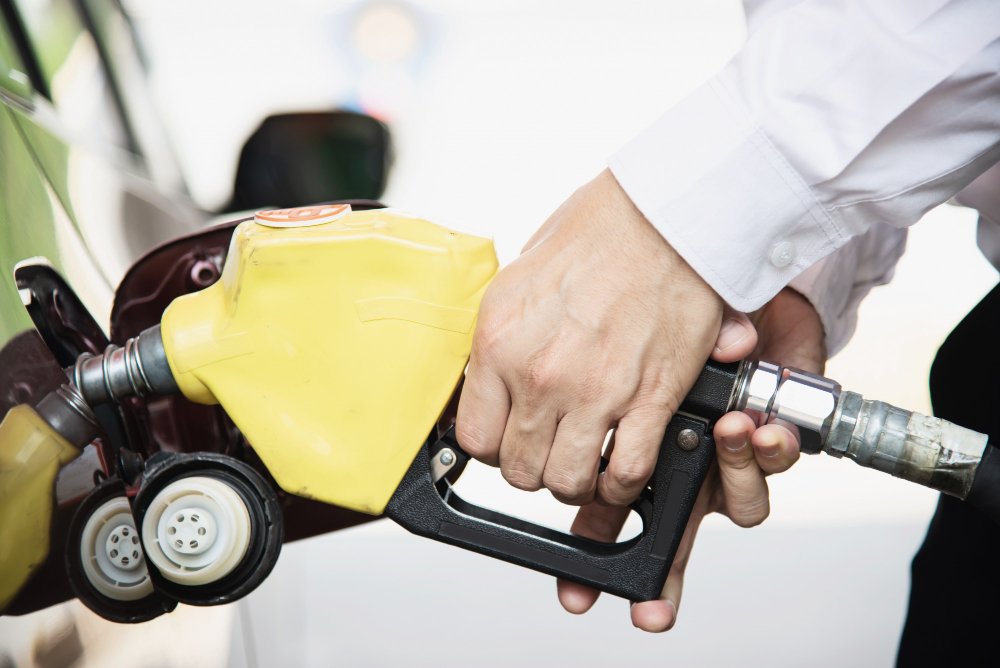
Pakistan motorists could get a small relief at fuel stations for August 8, as petrol prices in Pakistan are estimated to decline by Rs2.44 per litre and high-speed diesel prices by Rs2.52 per litre under the latest OGRA-linked pricing calculation.
The estimated price of petrol, officially known as Motor Spirit, is expected to fall from Rs329.82 to Rs327.38 per litre, while high-speed diesel could decline from Rs382.36 to Rs379.84 per litre. The estimates are based on prevailing international oil prices, exchange rate movements and the seven-working-day rolling average used under the applicable pricing methodology.
The projected reduction, however, raises a bigger question for consumers. Is a cut of around Rs2.50 per litre enough to provide meaningful relief when fuel remains one of the biggest recurring expenses for households, transport operators and businesses?
Petrol Prices in Pakistan Set for a Modest Decline
According to the latest estimated calculation compiled by Tola Associates, the seven-working-day average of Arab Gulf Platts prices for petrol was estimated at $101.71 per barrel for August 8, compared with $103.04 a day earlier.
After adding the applicable premium, the estimated cost and freight component fell to $112.58 per barrel from $113.91. At an exchange rate of Rs277.76 per US dollar, this translates into an estimated cost and freight component of Rs196.70 per litre.
Taxes and levies account for another Rs106.24 per litre, while other charges, including dealer and oil marketing company margins, IFEM and other applicable costs, add Rs24.44 per litre. Together, these components produce an estimated petrol price of Rs327.38 per litre.
The calculation shows that international oil prices have moved lower, but the benefit reaching consumers remains limited because taxes, levies and other charges form a substantial portion of the final pump price.
Diesel Prices in Pakistan Could Drop by Rs2.52
High-speed diesel is expected to record a slightly larger reduction. Its estimated price is Rs379.84 per litre, compared with Rs382.36 on August 7.
The seven-working-day average Arab Gulf Platts price for HSD has been estimated at $146.24 per barrel, down from $147.60. Following the addition of the applicable premium, the cost and freight figure comes to $151.34 per barrel.
At the Rs277.76 exchange rate, this represents approximately Rs264.42 per litre in cost and freight, compared with Rs266.94 previously.
Taxes and levies are estimated at Rs94.15 per litre, while other charges contribute another Rs21.27 per litre.
Diesel is particularly important for Pakistan’s economy because it directly affects freight transportation, agriculture, construction and industrial activity. Even a small reduction can therefore have wider economic implications, although the projected cut is unlikely to materially change transportation costs.
Pakistan Still Has Relatively Expensive Fuel
The regional comparison makes the situation more significant. Pakistan’s estimated petrol price is equivalent to around $1.18 per litre, compared with $1.17 in India, $1.03 in Bangladesh and $1.23 in Sri Lanka.
The difference is more pronounced for diesel. Pakistan’s estimated HSD price is around $1.37 per litre, substantially above India’s $1.03 and Bangladesh’s $0.86, while remaining above Sri Lanka’s $1.14.
This comparison deserves closer attention because fuel prices do not only affect motorists. Higher diesel prices feed into logistics, food transportation, construction costs and ultimately consumer prices.
Global Oil Prices Are Moving, But Consumers See Limited Relief
The underlying international market data shows a noticeable decline in Platts prices during the period under review.
The seven-day moving average for petrol was influenced by a decline in the Platts price from $112.34 per barrel on July 30 to $94.58 on August 6, before recovering to $99.38 on August 7. The seven-day average was estimated at $101.71.
HSD followed a similar pattern, falling from $157.27 per barrel on July 30 to $137.57 on August 6 before rising to $143.05 on August 7. Its seven-day average stood at $146.24 per barrel.
The important point is that consumers do not immediately receive the full benefit of daily international price movements because Pakistan’s pricing mechanism uses an averaging approach.
The Real Issue Behind the Rs2.50 Fuel Cut
The expected reduction is positive, but calling it major consumer relief would be misleading.
For a motorist purchasing 50 litres of petrol, a Rs2.44 per litre reduction would save approximately Rs122 on a full tank. For a commercial vehicle using hundreds of litres of diesel, the saving becomes more noticeable, but it still has to be weighed against broader operating expenses.
The larger concern is the composition of the final price. More than Rs100 per litre of the estimated petrol price comes from taxes and levies, while substantial additional costs arise from margins and other charges.
This means international oil prices can fall significantly without producing an equally dramatic reduction at Pakistani fuel stations.
For consumers, therefore, the August 8 reduction may offer some relief, but it does not fundamentally change the country’s expensive fuel equation.
The estimated prices remain subject to the final government and regulatory determination. The calculations are based on prevailing market prices and OGRA’s methodology and should therefore be treated as estimates rather than confirmed retail prices.