
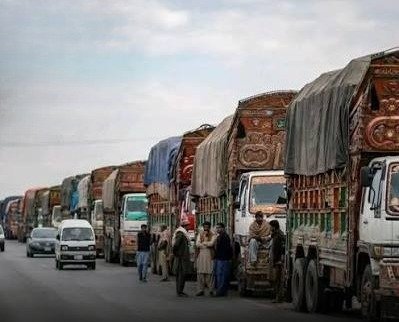
Pakistan’s logistics sector is heading toward another major disruption after leading goods transport organizations announced a nationwide strike beginning August 8, warning that the continued increase in diesel and petrol prices has made transport operations financially unsustainable.
The announcement was made jointly by the Karachi Goods Carrier Association, Pakistan Goods Transport Alliance and several other transport organizations. Transport leaders stated that if the government fails to address their demands immediately, goods transportation across the country will be suspended indefinitely.
The planned strike could significantly disrupt supply chains, wholesale markets, manufacturers, retailers, exporters and consumers, particularly if it continues for several days.
Goods Transport Strike in Pakistan Triggered by Rising Fuel Costs
According to transport representatives, rapidly increasing diesel prices have become the biggest challenge facing Pakistan’s freight industry. They argue that fuel expenses now account for such a large share of operating costs that transport businesses are no longer financially sustainable.
Transport leader Malik Shehzad Awan announced that goods transporters across the country had unanimously agreed to suspend cargo movement from August 8. He said the strike would continue until the government takes meaningful steps to address the industry’s concerns.
Industry representatives warned that every increase in diesel prices pushes up freight costs, reducing the competitiveness of transport companies while adding financial pressure to businesses already dealing with inflation and slowing economic activity.
Transporters Present Key Demands to the Government
Transport associations have outlined several demands that they want the federal government to address before they call off the strike.
Their primary demand is an immediate reversal of recent increases in petrol and diesel prices. They have also urged the government to replace the current daily fuel pricing mechanism with a monthly pricing system, arguing that frequent price changes make it difficult to quote freight rates, negotiate contracts and manage operational expenses.
The associations have further called for the abolition of the seven percent withholding tax imposed on the goods transport sector, describing it as an unfair financial burden on transport operators.
Another major issue raised by transporters is the increase in motorway and highway toll charges. They have demanded that toll taxes be restored to the levels applicable in June 2024, saying the latest revisions have significantly increased operating costs.
Supply Chains Could Face Fresh Disruptions
If the strike proceeds as announced, businesses across Pakistan could face serious supply chain challenges.
Manufacturers may experience delays in receiving raw materials, while wholesalers and retailers could struggle to replenish stocks of essential goods. Agricultural produce, food supplies, industrial inputs, construction materials and export consignments all rely heavily on uninterrupted road transport.
A prolonged suspension of freight movement could increase transportation costs, disrupt production schedules and place additional inflationary pressure on consumers.
Export-oriented industries may also encounter shipment delays, potentially affecting Pakistan’s trade commitments and weakening business confidence.
Balancing Fiscal Needs and Economic Stability
The concerns raised by the transport sector highlight the broader challenges associated with Pakistan’s fuel pricing and taxation policies.
Road freight remains the backbone of the country’s domestic economy, and rising fuel prices, taxes and toll charges continue to increase operating costs across the logistics industry. While the government depends on fuel taxes and toll revenues to strengthen public finances, sustained cost increases without targeted relief measures risk placing additional pressure on one of the country’s most important economic sectors.
At the same time, transport associations and the government will need to continue constructive dialogue to avoid a prolonged nationwide shutdown that could have far-reaching consequences for businesses and consumers alike.
Long-term stability will require predictable fuel pricing policies, transparent negotiations and tax reforms that balance fiscal objectives with the operational sustainability of Pakistan’s transport industry.
Negotiations Will Be Critical Before August 8
The Goods Transport Strike in Pakistan scheduled to begin on August 8 has the potential to become one of the country’s largest logistics disruptions in recent months. Unless both sides reach an agreement before the deadline, businesses should prepare for possible delays in cargo movement, supply shortages and higher transportation costs. The outcome of upcoming negotiations will determine whether the strike proceeds or a compromise can be reached to keep Pakistan’s supply chains operating smoothly.