
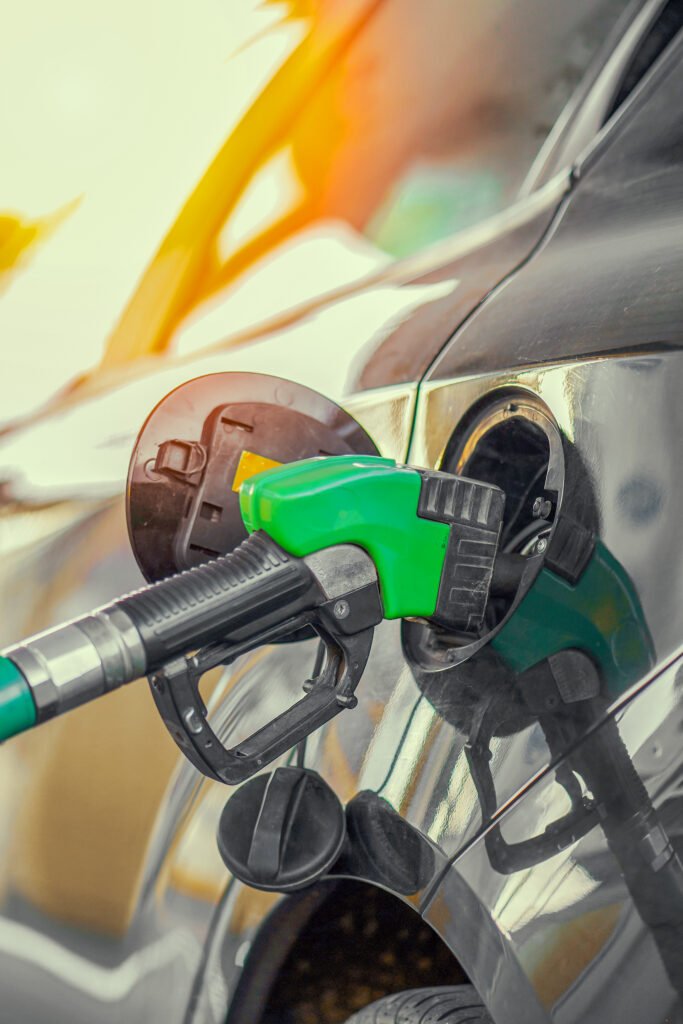
Pakistan’s fuel pricing system has entered a new phase as Pakistan Daily Petrol Prices are now being revised every working day instead of every fortnight. The new pricing framework introduced by the Oil and Gas Regulatory Authority (OGRA) allows petrol and diesel prices to reflect international market movements much faster, directly affecting motorists, businesses, transport operators, and industries across the country.
Within days of the new mechanism taking effect, consumers witnessed consecutive increases in fuel prices, highlighting how closely domestic petroleum rates are now linked to fluctuations in global oil markets.
Pakistan Daily Petrol Prices Replace the Fortnightly Pricing System
For years, Pakistan reviewed petroleum prices every two weeks. During heightened volatility caused by the US-Iran conflict, the government temporarily shifted to weekly price revisions. The latest reform goes a step further by introducing daily ex-depot fuel prices on every working day.
Under the new system, OGRA publishes revised petrol and diesel prices from Monday to Friday, while Friday’s rates remain applicable over the weekend.
The objective is to make domestic fuel prices more responsive to international oil market trends instead of delaying adjustments until the next review cycle.
Fuel Prices Rise Within Days of the New Mechanism
The impact of the daily pricing formula became evident almost immediately.
Motor Spirit (MS) petrol increased from Rs315.80 per litre on July 21 to Rs320.73 on July 22, before climbing further to Rs327.12 per litre on July 23.
High-Speed Diesel (HSD) followed a similar trajectory, rising from Rs360.06 to Rs367.21, and then reaching Rs375.04 per litre over the same period.
These back-to-back revisions demonstrate how domestic prices can now change rapidly in response to global market conditions.
How Pakistan Daily Petrol Prices Are Calculated
Many consumers believe petrol prices depend only on international crude oil prices. However, the calculation involves several cost components before fuel reaches retail filling stations.
International Benchmark Prices
The pricing process begins with the seven-working-day rolling average of Platts Arab Gulf benchmark prices.
For July 23, the benchmark prices stood at:
- Petrol: $104.48 per barrel
- Diesel: $144.90 per barrel
These benchmarks serve as the primary international reference for imported petroleum products.
Freight and Import Costs
Freight charges are then added to the benchmark prices.
For petrol, freight is based on the weighted average transportation cost of Pakistan State Oil (PSO) imports over the previous seven working days.
Diesel freight is calculated using Pakistan’s long-term supply arrangement with Kuwait Petroleum Corporation (KPC).
Exchange Rate Conversion
The Cost and Freight (C&F) value is converted into Pakistani rupees using the seven-day average exchange rate published by the State Bank of Pakistan (SBP).
The calculation also applies the industry-standard conversion factor of 158.98 litres per barrel.
Additional Charges
Several other costs are incorporated before arriving at the import price, including:
Banking and insurance expenses
Marine insurance
HDIP fees
Port handling charges
Ocean transportation losses or gains
Exchange rate adjustments
Customs duties
After these calculations, the Ex-Refinery/Import Price on July 23 stood at:
- Petrol: Rs218.66 per litre
- Diesel: Rs278.28 per litre
Government Taxes Continue to Influence Retail Fuel Prices
The ex-refinery price represents only one portion of the final amount consumers pay at petrol pumps.
Additional charges include:
Inland Freight Equalization Margin (IFEM)
This covers transportation costs across different regions of Pakistan.
OMC and Dealer Margins
Fixed margins are allocated to Oil Marketing Companies (OMCs) and petroleum dealers.
Petroleum Levy
The Petroleum Levy remained Rs80 per litre on July 23.
Climate Support Levy
An additional Rs5 per litre was charged under the Climate Support Levy.
Sales Tax
Sales Tax remained zero on both petrol and diesel.
After incorporating these components, the retail ex-depot petrol price increased from approximately Rs242.12 per litre before taxes and levies to Rs327.12 per litre, excluding secondary transportation costs.
New Import Rules Strengthen Supply Management
The revised pricing framework also introduces stricter petroleum import regulations.
For the FY2027, all High-Speed Diesel (HSD) imports will be handled exclusively by Pakistan State Oil (PSO).
Motor Spirit (MS) imports will continue through multiple Oil Marketing Companies under OGRA’s Product Requirement Mechanism, with allocations based on market share.
Companies failing to fulfill import commitments, delaying shipments, or failing to lift refinery allocations may face suspension from future import allocations for up to nine months.
The objective is to improve supply discipline and reduce disruptions in the fuel market.
Greater Transparency Through Daily Benchmark Publication
One of the key features of the new system is improved transparency.
OGRA now publishes the daily Platts Arab Gulf benchmark prices used in fuel calculations, allowing consumers, businesses, and industry participants to better understand how petroleum prices are determined.
The same daily pricing methodology has also been extended to Superior Kerosene Oil (SKO) and Light Diesel Oil (LDO).
What Pakistan Daily Petrol Prices Mean for Consumers
The introduction of Pakistan Daily Petrol Prices marks one of the most significant reforms in the country’s petroleum pricing system.
While the mechanism enhances transparency and aligns Pakistan more closely with international pricing practices, it also exposes consumers to more frequent fluctuations in fuel costs.
Motorists, transport companies, manufacturers, logistics operators, and businesses will now need to monitor fuel prices more closely, as changes in global oil prices and exchange rates can influence domestic petrol and diesel prices within days rather than weeks.
As international energy markets remain volatile, daily fuel price revisions are expected to become a permanent feature of Pakistan’s energy landscape.