
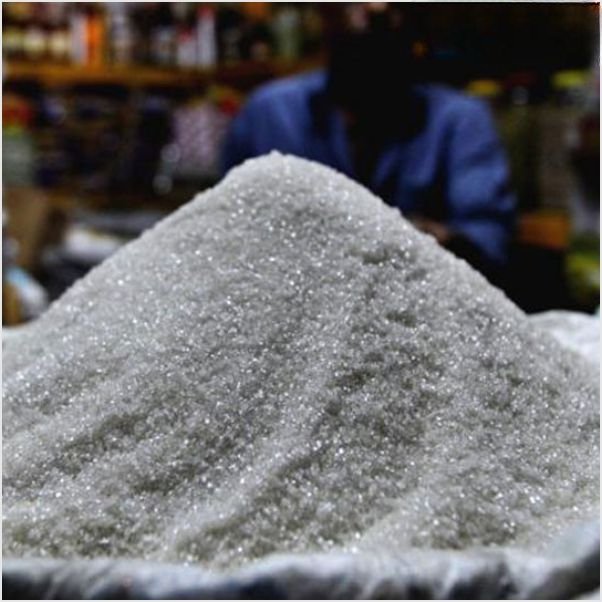
The Sugar Export Controversy has resurfaced in Pakistan after the Pakistan Sugar Mills Association (PSMA) formally requested government approval to export hundreds of thousands of tons of sugar, citing surplus production and financial pressures on the industry.
While the proposal is being presented as an opportunity to earn valuable foreign exchange and support sugar mills, critics argue that Pakistan has witnessed this script before. They warn that sugar exports have repeatedly been followed by domestic shortages, soaring prices, and expensive imports that ultimately burden consumers and the national economy.
PSMA Claims Massive Sugar Surplus Exists
In a recent letter submitted to Deputy Prime Minister and Foreign Minister Senator Isaq Dar, PSMA Chairman Chaudhry Zaka Ashraf argued that Pakistan currently possesses a substantial surplus of sugar.
According to the association, total sugar stocks stand at approximately 7.9 million metric tons, while annual domestic consumption is estimated at around 6.6 million metric tons, even after accounting for population growth.
The association maintains that nearly 1.3 million metric tons of sugar are available above local requirements. After setting aside strategic reserves, it believes around 760,000 metric tons could be exported immediately.
PSMA further argues that such exports could generate nearly $500 million in foreign exchange earnings and help reduce pressure on Pakistan’s current account deficit.
Critics See a Familiar Sugar Export Controversy
Economic observers and consumer advocates remain skeptical.
They argue that sugar mill owners have historically used surplus stock claims to secure export permissions, only for domestic markets to experience supply shortages months later.
The pattern has become a recurring feature of Pakistan’s sugar sector. Exports are approved during periods of apparent abundance, but as supplies tighten, retail prices surge and consumers bear the cost.
Critics claim that the industry’s latest push for exports resembles previous episodes where promises of stable local prices failed to materialize.
What Happened After Previous Sugar Exports?
One of the most controversial examples occurred when authorities permitted the export of approximately 765,000 metric tons of sugar.
Within months, domestic markets faced significant shortages and prices climbed sharply. Wholesale and retail rates increased dramatically, placing sugar beyond the reach of many low-income households.
The situation became even more controversial when Pakistan eventually had to import sugar to address supply shortages.
As a result, the country experienced a paradoxical situation: sugar was exported when stocks were declared excessive and imported later at higher prices when shortages emerged.
This cycle generated concerns about policy planning, market oversight, and the influence of powerful industry stakeholders.
The Costly Export-Import Cycle
Historical records suggest that Pakistan has repeatedly fallen into an export-import cycle in the sugar sector.
During several periods over the last two decades, sugar exports were encouraged through subsidies and incentives designed to improve industry profitability and foreign exchange earnings.
However, when domestic shortages emerged, governments were forced to spend billions of rupees importing sugar to stabilize local markets.
Investigations into previous sugar crises also raised questions regarding stock management, market concentration, and the effectiveness of regulatory oversight.
Critics argue that while industry players benefit from exports and later market shortages, ordinary consumers face higher prices and increased inflation.
Farmers and Financial Crisis: Genuine Concern or Negotiation Strategy?
PSMA has warned that failure to approve exports could create severe financial difficulties for sugar mills.
The association claims that excessive inventories are tying up capital, making it difficult to service bank loans and ensure timely payments to sugarcane farmers. It has also highlighted expectations of another large sugarcane crop next season.
While these concerns are not dismissed entirely, analysts argue that similar warnings have accompanied previous export requests. They believe policymakers should independently verify stock levels, production forecasts, and domestic demand before approving any large-scale exports.
Why This Sugar Export Controversy Matters for Consumers
The broader concern extends beyond the sugar industry itself.
Pakistan is already facing inflationary pressures, rising utility costs, and declining purchasing power among lower- and middle-income households. Any disruption in sugar availability could quickly translate into higher retail prices and additional pressure on household budgets.
Consumer groups argue that protecting domestic supply should remain the government’s top priority before allowing substantial exports.
Can the Government Avoid Another Sugar Crisis?
The government now faces a critical policy decision.
On one hand, sugar exports could generate foreign exchange and provide relief to manufacturers. On the other hand, past experiences suggest that inadequate safeguards may result in shortages, price spikes, and costly imports in the future.
Experts recommend a transparent audit of sugar stocks, independent verification of surplus claims, and strict monitoring mechanisms before any export approval is granted.
The outcome of the current Sugar Export Controversy could determine whether Pakistan benefits from genuine surplus management or finds itself confronting yet another sugar crisis that ultimately impacts millions of consumers across the country.