
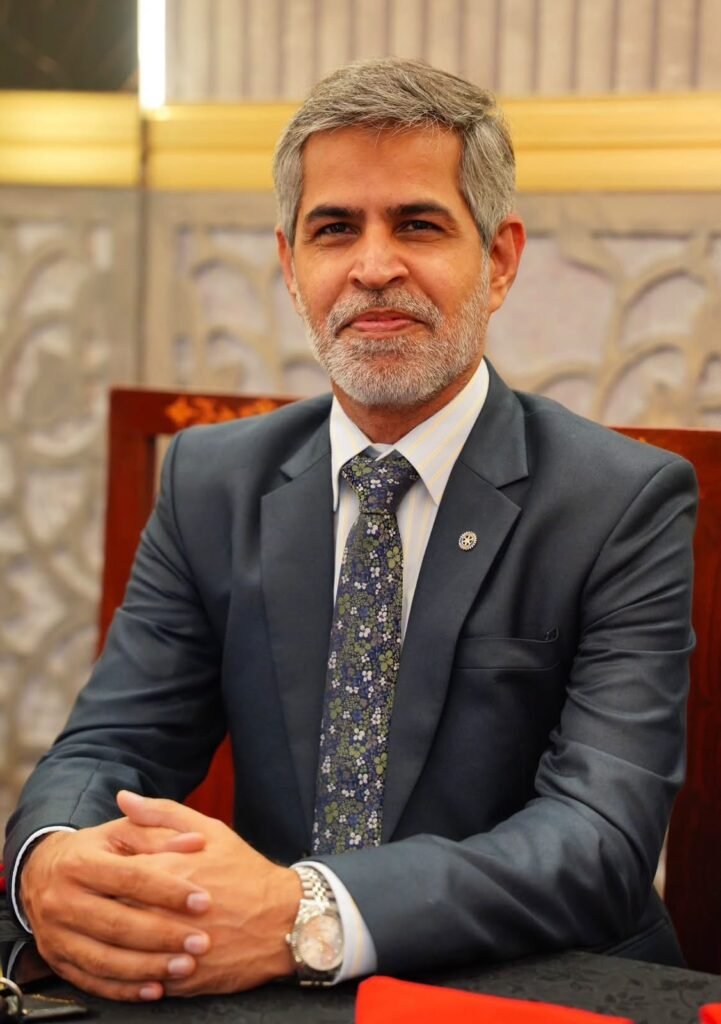
KARACHI: Korangi Association of Trade and Industry (KATI) President Sheikh Umer Rehan has stressed the need to equip women with modern technical and vocational skills to expand employment opportunities and increase their participation in Pakistan’s industrial sector.
He made the remarks while congratulating former KATI president Junaid Naqi on his appointment as Chairman of the Institute Management Committee of the Vocational Training Centre (Girls), Korangi.
Sheikh Umer Rehan described the appointment as a welcome step and expressed hope that Junaid Naqi would use his industrial and administrative experience to strengthen the centre’s training programmes.
KATI Calls for Industry-Focused Training for Women
The KATI president said entrusting the management of a women’s vocational training centre to an experienced industrialist could contribute significantly to the promotion of technical and professional education.
He said training programmes should be aligned with the actual requirements of the industrial sector so that women completing their courses can develop skills relevant to available employment opportunities.
According to him, vocational institutions need to continuously modernise their programmes in response to changing industrial requirements and labour market demand.
Women’s Skills Can Expand Employment Opportunities
Sheikh Umer Rehan stressed that greater participation of women in the industrial sector is an important economic requirement.
Providing women with modern technical and vocational skills and connecting them with employers could create opportunities for dignified employment while strengthening their contribution to industrial production and the wider national economy.
He said vocational education could help women become economically independent and self-reliant.
Skilled women can contribute financially to their families while developing careers and participating more actively in economic activity.
Korangi Industrial Area Offers Employment Potential
Sheikh Umer Rehan highlighted the importance of Korangi Industrial Area as one of Pakistan’s major industrial hubs.
The area has continued demand for trained and skilled workers across multiple industrial sectors, creating an opportunity for vocational institutions to establish stronger connections with local businesses.
He said women receiving industry-specific training could be connected with companies through internships, traineeships and employment opportunities.
Industry-Vocational Training Linkages Need Strengthening
The KATI president emphasised that stronger cooperation between industry and vocational training institutions is essential for developing an effective skilled workforce.
Closer collaboration would allow training programmes to be designed around the specific requirements of businesses and industrial units.
This could increase the number of skilled women entering the workforce while simultaneously helping industries access workers with relevant technical capabilities.
Modern Skills Can Support Women’s Economic Independence
Sheikh Umer Rehan said skills development should go beyond classroom-based education and focus on practical capabilities that can translate into employment.
Industry-linked vocational programmes can give women greater exposure to workplace requirements and help them transition from training to employment.
He said such initiatives could support women’s economic independence while contributing to productivity and the broader economy.
KATI Pledges Support for Skills Development
Sheikh Umer Rehan expressed his best wishes to Junaid Naqi and said KATI would continue cooperating with relevant institutions to promote technical education and skills development among women.
The association would also support initiatives aimed at increasing women’s participation in the industrial sector and creating employment opportunities.
He expressed hope that the Vocational Training Centre (Girls), Korangi, would develop into an effective platform for equipping women with modern skills and connecting them with dignified employment.
The initiative could also strengthen the relationship between vocational education and industry, helping ensure that women’s skills development responds directly to the needs of Pakistan’s industrial sector.