
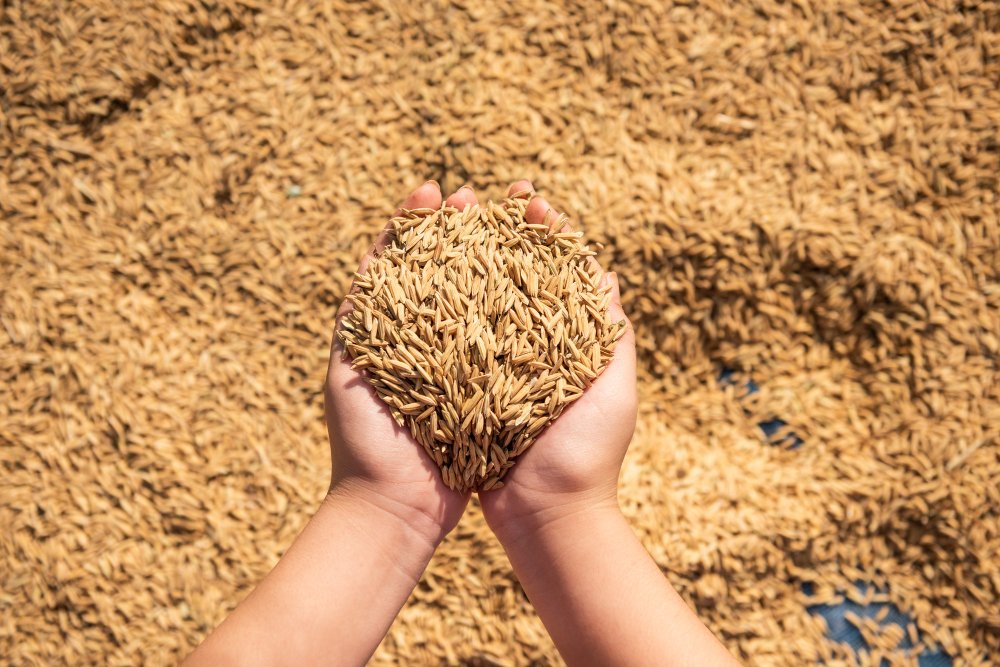
Government Reviews Wheat Supply Amid Declining Emergency Reserves
Pakistan is considering the import of one million tonnes of wheat after a nationwide shortage of grain significantly reduced emergency reserves, prompting the federal government to take urgent steps to ensure uninterrupted food supplies. The Pakistan wheat import plan is aimed at bridging the gap between domestic demand and available stocks while preventing shortages and price volatility in the coming months.
The decision was made during a high-level meeting of the Wheat Board chaired by National Food Security Minister Rana Tanveer Hussain, where officials reviewed the country’s wheat availability, provincial demand, and future supply strategy.
Government officials concluded that existing wheat reserves are no longer sufficient to meet the combined requirements of the provinces, making imports a necessary option to maintain stable supplies across the country.
Provincial Demand Exceeds Available Wheat Stocks
During the meeting, officials conducted a comprehensive assessment of wheat availability across Pakistan and reviewed the stock position maintained by the Pakistan Agricultural Storage and Services Corporation (Passco).
The review found that the combined wheat demand submitted by all provinces had exceeded the emergency reserves currently held by Passco.
According to officials, the available government stocks are no longer adequate to meet provincial requirements, raising concerns over future supply if additional wheat is not arranged in time.
The Wheat Board agreed that immediate planning is required to avoid shortages and ensure sufficient grain remains available throughout the country.
Govt Explores Import Of One Million Tonnes
Following the review, the federal government decided to begin exploring the import of approximately one million tonnes of wheat.
Officials said the proposed import volume would be determined in consultation with provincial governments to ensure that procurement reflects actual regional demand.
The meeting concluded that importing wheat would help strengthen national reserves, support uninterrupted distribution, and reduce the risk of supply disruptions in both urban and rural areas.
Authorities stressed that the proposed imports are currently under consideration and will proceed after consultations with the provinces and completion of the necessary procurement process.
Import Plan Aims To Stabilise Domestic Wheat Supply
The government said the primary objective of the Pakistan wheat import plan is to prevent market instability and maintain a balanced supply of wheat across the country.
Officials warned that without additional stocks, growing provincial demand could place further pressure on the domestic market, potentially affecting wheat availability and prices.
By replenishing government reserves through imports, authorities hope to ensure that wheat remains accessible in all regions while protecting consumers from possible supply shortages.
The strategy also seeks to provide provincial governments with adequate stocks to meet local distribution needs during the coming months.
Food Security Remains Govt’s Priority
National Food Security Minister Rana Tanveer Hussain emphasised the importance of maintaining sufficient wheat reserves to safeguard Pakistan’s food security.
The meeting reviewed provincial requirements in detail and agreed that coordinated planning between the federal and provincial governments would be essential for managing wheat supplies efficiently.
Officials noted that timely procurement decisions would help avoid disruptions in the grain market and ensure the smooth distribution of wheat across the country.
The Wheat Board also reaffirmed its commitment to monitoring stock levels closely and responding quickly to changing supply and demand conditions.
Govt Seeks To Prevent Market Disruptions
The proposed wheat import operation forms part of the government’s broader strategy to maintain stable food supplies and avoid pressure on domestic markets.
Officials said the collective demand from the provinces has now surpassed the emergency reserves available with Passco, making additional procurement increasingly important.
If approved, the import of one million tonnes of wheat would replenish strategic reserves and provide greater flexibility in managing supplies nationwide.
The federal government is expected to continue consultations with provincial authorities before finalising the procurement process, with the objective of ensuring sufficient wheat availability and protecting national food security.