
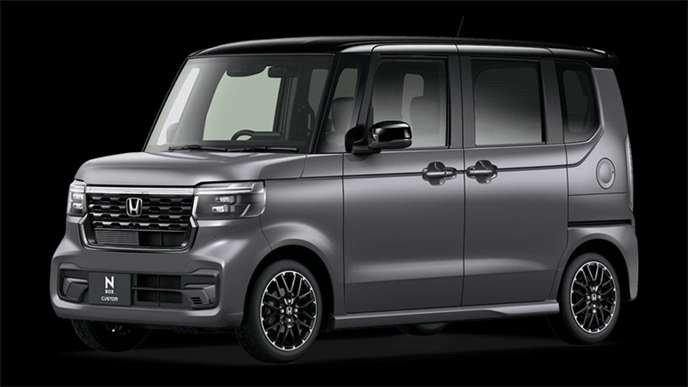
Ultra-compact Japanese vehicles may soon hit American roads as safety rules and fuel standards face sweeping changes.
President Donald Trump has taken a major step toward allowing kei cars, Japan’s ultra-compact, fuel-efficient vehicles to be manufactured and sold in the United States. The move could reshape the American small-car market, lower fuel costs for consumers, and open a new chapter in U.S, Japan automotive trade relations.
Speaking at the White House this week, Trump said he was inspired after seeing the tiny vehicles during a recent visit to Japan. “They’re very small, they’re really cute, and I said, ‘How would that do in this country?’” he told reporters while outlining plans to roll back Biden-era fuel efficiency standards.
He confirmed that he has authorized Transportation Secretary Sean Duffy to approve the production of kei cars in the U.S, a directive that could fast-track regulatory changes that have long blocked these vehicles from American roads.
Why Kei Cars Have Been Banned in the U.S:
Kei cars are limited by strict size and engine regulations in Japan and are designed for narrow urban streets, low fuel consumption, and affordability. Although they account for nearly one-third of all new vehicle sales in Japan, they currently do not meet U.S. federal safety and emissions standards for new vehicles.
As a result, most kei cars in the U.S. today arrive under the 25-year import rule, which allows older vehicles to be imported even if they don’t meet modern crash-safety standards. Even then, many states restrict their use to private property or low-speed roads due to concerns that they are too small and slow to safely share highways with large trucks and SUVs.
Safety experts and state regulators have long argued that kei cars lack the structural protection required for American traffic conditions.
Transportation Department “Clears the Deck”:
Following Trump’s directive, Duffy said the Department of Transportation has now “cleared the deck” for automakers such as Toyota Motor Corp. to begin building and selling smaller, more fuel-efficient vehicles in the U.S.
This marks a significant shift in federal policy and could open the door for a new category of ultra-compact vehicles tailored for city driving and fuel savings. Toyota declined to comment on the announcement, but industry analysts say the decision could pressure multiple automakers to rethink U.S. product strategies.
Business Reality vs. Market Demand:
Despite their popularity overseas, analysts remain cautious about the commercial success of kei cars in the U.S.
“The reason Japanese carmakers don’t make or sell kei cars in the U.S. is business feasibility,” one auto analyst explained. “The market exists but remains niche. Pricing and production costs don’t always match American expectations.”
Even with regulatory approval, automakers would need to redesign kei cars to meet U.S. crash standards, which could significantly increase costs and reduce their low-price advantage.
Kei Cars and U.S, Japan Trade Politics:
Trump’s embrace of kei cars also highlights how automobiles continue to be used as a geopolitical bargaining chip between the United States and Japan.
Passenger vehicles were a central issue during recent U.S., Japan trade negotiations. The talks gained momentum when Japan floated the idea of increasing imports of American-made vehicles. While selling large U.S. pickup trucks in densely populated Japanese cities seemed far-fetched, the concept appealed to Trump, along with proposals for Toyota Motor Corp. and Honda Motor Co. to export more U.S.-assembled vehicles back to Japan.
Kei cars now appear to be the latest leverage point in this ongoing automotive trade dynamic.
What This Means for American Drivers:
If the policy shift is finalized, American consumers could soon see:
• Lower-cost city cars
• Improved fuel economy
• More compact options for urban commuting
• Greater competition in the small-car segment
However, key questions remain around safety compliance, pricing, insurance rules, and state-level regulations.
Trump’s decision to fast-track approval for kei cars marks a major change in U.S. auto policy, blending fuel-efficiency reform, consumer choice, and international trade strategy. While significant regulatory and safety hurdles still remain, the move signals serious momentum toward bringing Japan’s iconic micro-cars to American streets for the first time as mainstream new vehicles.
If approved, kei cars could transform urban transportation in the U.S, but whether they succeed commercially will depend on safety updates, pricing, and how willing American drivers are to go small.