
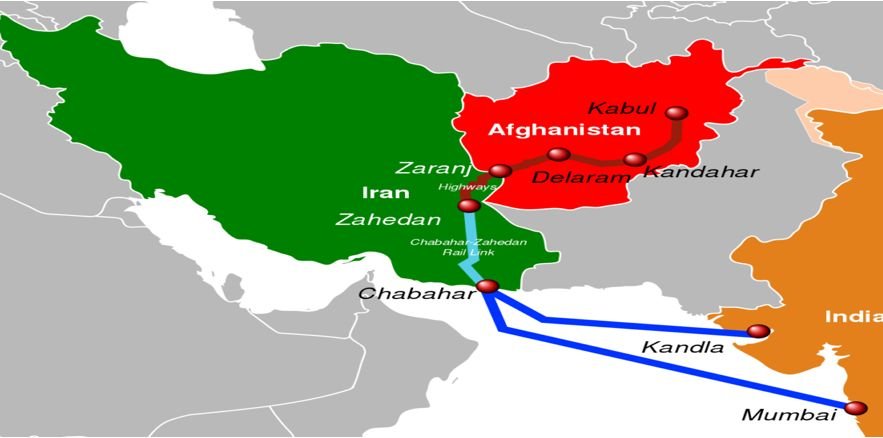
Kabul/New Delhi, November 22, 2025 – In a significant diplomatic push amid strained relations with Pakistan, Afghanistan’s Taliban government has called on India to dramatically expand bilateral trade by establishing cargo hubs on Afghan soil and enhancing logistics through Iran’s Chabahar Port.
During high-level talks in New Delhi this week, Acting Minister of Industry and Commerce Al-Haj Nooruddin Azizi urged Indian officials to scale up commercial exchanges and assist in launching scheduled shipping lines from the Indian-operated Chabahar Port. This strategic port in southeastern Iran serves as a vital gateway for landlocked Afghanistan, allowing direct access to global markets without relying on Pakistani routes, which have been disrupted by repeated border clashes and closures.
Azizi, leading a large business delegation, proposed developing dry ports in Afghanistan’s southwestern Nimroz province, bordering Iran, to streamline cargo movement. He also requested smoother processing at India’s Nhava Sheva Port near Mumbai and faster visa issuance for Afghan traders. The minister highlighted cooperation in sectors like pharmaceuticals, cold storage, fruit processing, and industrial parks.
The overtures come as Kabul redirects trade away from Pakistan following armed confrontations that halted cross-border traffic, causing millions in losses for exporters of perishable goods like fruits. Afghanistan has increasingly turned to Chabahar and Central Asian pathways, with freight volumes surging.
India, which has provided extensive humanitarian aid since 2021, announced the imminent launch of dedicated air cargo services between Kabul, Delhi, and Amritsar. Officials described the discussions as reflecting shared commitment to economic cooperation, though New Delhi maintains no formal recognition of the Taliban regime.
Experts view this as a geopolitical shift, countering Pakistan’s influence and China’s inroads in Afghanistan, while bolstering regional connectivity. Bilateral trade has neared $1 billion annually, with potential for further growth in mining, agriculture, and energy investments.