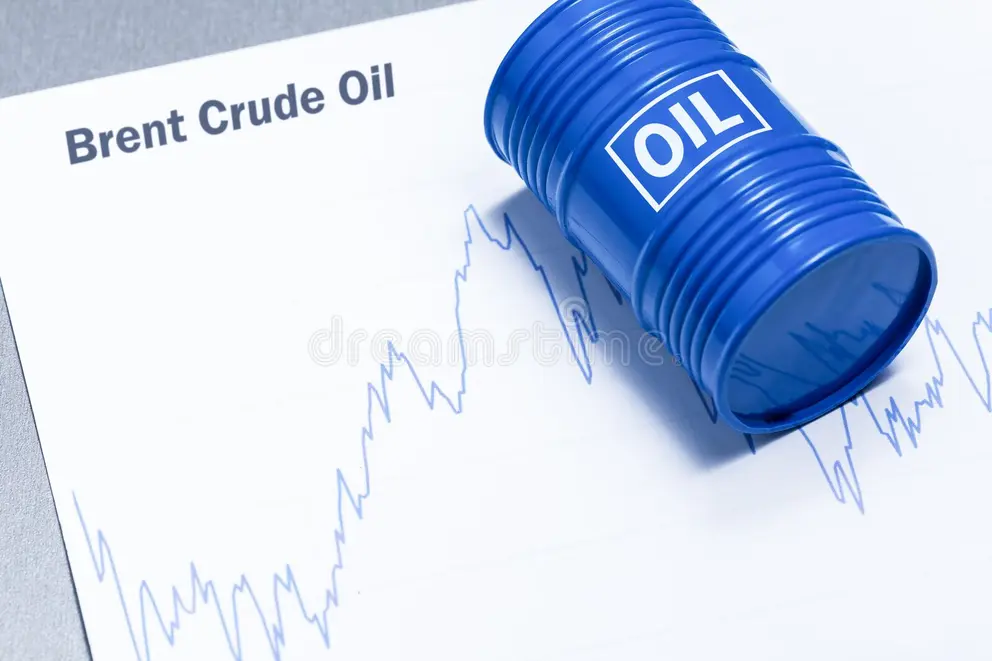
WTI crude prices

Brent Crude Climbs Above $90 as Middle East Conflict Raises Global Oil Supply Concerns
Breaking News

Brent Crude Climbs Above $90 as Middle East Conflict Raises Global Oil Supply Concerns

Brent crude oil prices climbed above $90 per barrel on Monday after escalating military tensions between the United States and Iran triggered fresh concerns over global energy supplies. The sharp rise reflects growing fears that prolonged conflict in the Middle East could disrupt crude exports from one of the world’s most important oil-producing regions. Brent crude futures gained more than 2%, reaching their highest level in over a month, while US West Texas Intermediate (WTI) crude also posted strong gains. The latest rally follows another week of significant increases, driven by uncertainty surrounding oil shipments through the Strait of Hormuz, a strategic maritime route that carries a substantial share of the world’s seaborne oil trade. Brent Crude Climbs Above $90 as Hormuz Supply Risks Intensify Market sentiment has become increasingly cautious after both Washington and Tehran expanded military operations in recent days. Reports of reduced tanker traffic through the Strait of Hormuz have heightened worries about possible supply disruptions, prompting traders to factor geopolitical risks into oil prices. Although there has been no complete interruption in exports, the decline in shipping activity has been enough to push crude prices higher and increase volatility across global energy markets. Energy Markets Remain Highly Sensitive Energy analysts believe the oil market remains highly sensitive to developments in the Middle East. Any further escalation or prolonged disruption to shipping routes could tighten global crude supplies and place additional upward pressure on prices. Some experts also note that global oil inventories remain relatively low, making energy markets more vulnerable to unexpected supply shocks and geopolitical events. Higher Oil Prices Could Fuel Inflation Rising crude oil prices could have far-reaching economic consequences. Countries that rely heavily on imported fuel may face higher energy import costs, while consumers around the world could experience increased prices for petrol, diesel, transportation, and manufactured goods. Economists also warn that sustained strength in oil prices may add to global inflationary pressures, complicating monetary policy decisions for central banks. Investors Closely Watch Middle East Developments Investors are now closely monitoring geopolitical developments and shipping activity across the Gulf region for signs of either escalation or de-escalation. While easing tensions could stabilize oil markets, continued military operations are expected to keep crude prices volatile and maintain uncertainty over global energy supplies in the days ahead.

Petrol Prices May Drop Rs60, Diesel Up to Rs100 as Global Oil Falls
Pakistan

Petrol Prices May Drop Rs60, Diesel Up to Rs100 as Global Oil Falls

A sharp decline in global crude oil prices has opened up significant fiscal space for Pakistan, raising strong expectations of a major reduction in domestic petroleum prices in the upcoming review. Early estimates suggest that petrol prices may drop by around Rs60 per liter, while high-speed diesel (HSD) could see a massive reduction of up to Rs100 per liter. The potential cut comes as international oil markets witness a steep correction amid easing geopolitical tensions and improved supply conditions. Global Oil Prices Crash by Nearly 15% International crude markets have recorded a sharp fall of nearly 15 percent in recent days. According to market data, Brent crude prices have dropped by over $15 per barrel, bringing them down to around $94. Similarly, West Texas Intermediate (WTI) crude has also declined significantly, falling by more than $18 per barrel to near $94 levels. Experts say this sudden drop reflects improved global supply dynamics and reduced risk premiums. Oil markets had previously surged due to geopolitical tensions, particularly involving the United States and Iran. However, recent diplomatic developments have helped stabilize investor sentiment and ease concerns over supply disruptions. Massive Relief Expected for Consumers If the proposed price cuts are implemented, it will bring major relief to consumers across Pakistan. Petrol and diesel prices directly impact transportation costs, food prices, and overall inflation. A reduction of Rs60 per liter in petrol would significantly lower daily commuting expenses. Meanwhile, a Rs100 per liter cut in diesel prices would benefit heavy transport, agriculture, and industrial sectors. Farmers, in particular, rely heavily on diesel for machinery and irrigation. Lower fuel costs could reduce production expenses and help stabilize food prices. At the same time, transporters and logistics companies would also see operational cost reductions. This could translate into lower prices for goods and services in the market. Middle-Class Households to Benefit The expected fuel price cut comes at a time when middle-income households are struggling with high inflation. Rising fuel costs in recent months had increased the burden on families. A substantial reduction in petrol prices would ease monthly expenses for millions of households. It would also improve purchasing power and support economic activity. Analysts believe that lower fuel prices could have a ripple effect across the economy. Reduced transportation costs often lead to lower prices for essential goods, offering indirect relief to consumers. Geopolitical De-Escalation Drives Oil Market Stability The recent drop in oil prices is closely linked to easing geopolitical tensions. The decision by Donald Trump to pause military action against Iran has played a key role in calming global markets. The move signaled a possible de-escalation in tensions that had earlier disrupted energy supply chains. Investors responded positively, leading to a sharp correction in crude oil prices. A major concern during the crisis was the safety of the Strait of Hormuz, a critical transit route for global oil shipments. Iran’s commitment to ensuring safe passage through the strait has reduced fears of supply disruptions. As a result, the risk premium built into oil prices has declined significantly. Government Faces Key Pricing Decision The government now faces an important decision in the upcoming petroleum price revision. Authorities will determine how much of the global price decline is passed on to consumers. In the past, governments have sometimes adjusted fuel prices partially to manage fiscal deficits. However, the current situation presents an opportunity to provide full relief to the public. Economic managers are under pressure to balance revenue needs with public expectations. A significant price cut could boost public confidence and economic momentum. Positive Outlook for Pakistan’s Economy The decline in global oil prices offers broader economic benefits for Pakistan. Lower import costs will reduce pressure on foreign exchange reserves. It will also help narrow the current account deficit and support macroeconomic stability. Additionally, reduced energy costs can improve industrial competitiveness and encourage production. Experts say that if global oil prices remain stable, Pakistan could sustain lower fuel prices in the coming months. This would provide long-term relief to businesses and consumers alike.

Scroll to Top