
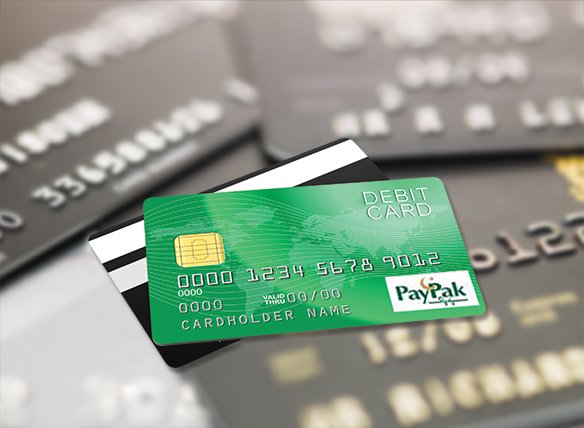
PayPak Cards Could Soon Become Mandatory for Government Salary Accounts in Pakistan
Pakistan’s domestic payment network could soon receive a major boost after 1LINK proposed making PayPak cards mandatory for government employees, beneficiaries of subsidy programmes, and users of public sector services. The proposal aims to reduce Pakistan’s dependence on international payment networks while strengthening the country’s digital financial ecosystem. Submitted to the State Bank of Pakistan (SBP), the proposal seeks to expand the adoption of Pakistan’s home-grown payment system by integrating PayPak into government salary accounts, welfare programmes, subsidy schemes, and public transport payment systems. The initiative aligns with the SBP’s broader strategy of promoting local payment channels such as PayPak and Raast instead of relying heavily on international networks like Visa and Mastercard. Government Employees May Receive PayPak Cards by Default Under the proposal, all government employees would be issued PayPak cards linked to their salary accounts. Beneficiaries of social welfare programmes and other government assistance schemes could also receive payments through the domestic card network. The objective is to strengthen Pakistan’s financial independence by reducing transaction processing costs while limiting reliance on foreign payment infrastructure. Financial experts believe widespread adoption across the public sector could significantly increase the number of PayPak cardholders while accelerating the country’s digital banking transformation. Incentives Proposed to Boost Adoption To encourage greater usage, 1LINK has recommended several incentives for both consumers and merchants. The proposal includes tax benefits for transactions conducted through PayPak cards, particularly at point-of-sale (PoS) terminals and on e-commerce platforms. It also suggests cashback offers, discounts, and loyalty rewards on various transactions, including: Officials believe these incentives could encourage consumers and businesses to shift towards Pakistan’s domestic payment network. Government Offices Could Be Required to Accept PayPak The proposal also recommends expanding the acceptance network for PayPak cards across government institutions. Public service centres, including NADRA offices, passport offices, and excise departments, could be required to install payment terminals compatible with PayPak. Officials believe wider acceptance would make digital payments more convenient while reducing dependence on cash transactions and improving financial transparency. SBP Continues to Expand PayPak and Raast The State Bank of Pakistan has already introduced several initiatives to strengthen the country’s digital payment ecosystem. These include co-badged PayPak cards that support both domestic and international transactions, increased e-commerce acceptance, public awareness campaigns, and promotional initiatives designed to encourage wider merchant adoption. The central bank believes these efforts have already improved merchant acceptance and increased digital transaction volumes nationwide. Alongside PayPak, the SBP continues expanding Raast, Pakistan’s instant digital payment platform. Raast Merchant Payments Continue Rapid Growth According to official figures, the federal government allocated Rs3.5 billion for a Raast QR code subsidy programme during fiscal year 2025-26. Daily person-to-merchant (P2M) transactions increased from approximately 60,000 in June 2025 to around 1.1 million by June 2026, reflecting growing acceptance of QR-based digital payments. The SBP plans to continue expanding merchant participation while promoting QR code payments across Pakistan to support a more digitally connected economy. Domestic Payment Network Could Strengthen Financial Independence If approved, the proposal could significantly expand the use of PayPak cards throughout Pakistan’s public sector while supporting the government’s broader objective of strengthening domestic payment infrastructure. Greater adoption of PayPak and Raast could help reduce transaction costs, improve financial inclusion, enhance digital payment acceptance, and lessen reliance on international card networks. However, successful implementation will depend on expanding merchant acceptance, strengthening payment infrastructure, and ensuring a smooth transition for both government institutions and consumers.