
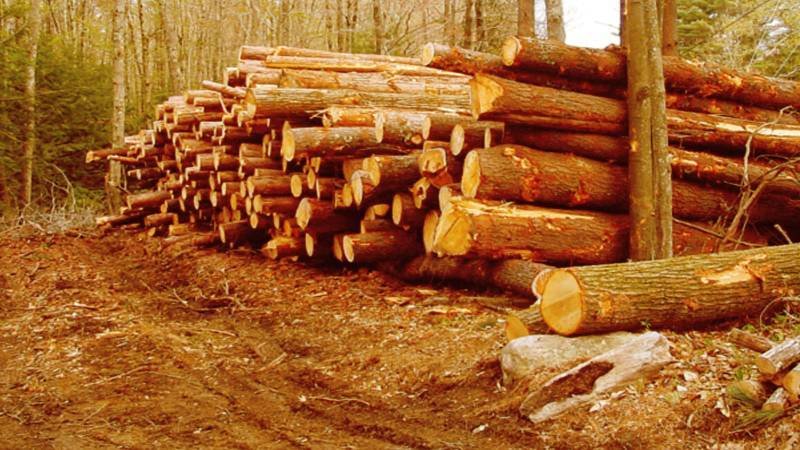
Khyber Pakhtunkhwa Timber Worth Rs3.8 Billion Left to Decay as Government Delays Sale for 16 Years
A staggering stockpile of Khyber Pakhtunkhwa timber valued at nearly Rs3.8 billion has remained abandoned for the past 16 years, raising serious questions about governance, public asset management, and missed economic opportunities. The timber, legally harvested under an approved provincial policy, now lies exposed to harsh weather conditions, floods, and natural decay while local communities continue to lose substantial income. The prolonged delay has transformed what was once a valuable natural resource into a symbol of administrative paralysis, highlighting how policy bottlenecks can inflict enormous financial losses on both the government and forest-dependent communities. Why Khyber Pakhtunkhwa Timber Worth Billions Remains Unsold According to officials and local residents, the timber was harvested under the Dry Wind Fall Policy, 2003, which permitted the extraction of naturally fallen dry trees rather than healthy forests. Between 2008 and 2010, authorities harvested approximately 4.5 million cubic feet (cft) of wind-fallen timber in Lower and Upper Kohistan. Most of the harvested timber was successfully auctioned during the policy period. However, around 0.55 million cft could not be sold before the policy expired. Since then, the remaining timber has been stranded due to the absence of fresh government approval for disposal. Instead of generating billions in revenue, the timber has been left scattered along the Karakoram Highway, roadside storage locations, forest areas, and water channels, where continuous exposure to rain, snow, and harsh weather has significantly reduced its commercial value. Khyber Pakhtunkhwa Timber Delay Hurts Local Communities the Most The consequences extend far beyond deteriorating wood. Under the provincial revenue-sharing mechanism, 80 percent of the proceeds from timber sales are paid to local forest owners, while the remaining 20 percent goes to the government for forest management and conservation. The prolonged delay has therefore deprived thousands of local residents of income that could have supported livelihoods, education, healthcare, and local economic activity. Communities that legally cooperated with the harvesting process continue to wait for payments that have been delayed for more than a decade. Forest experts argue that the government’s failure to dispose of legally harvested timber has created unnecessary financial hardship for people who depend on forest resources. Policy Bottlenecks Continue to Block Khyber Pakhtunkhwa Timber Sales Officials familiar with the matter explain that harvesting dry wind-fallen trees is a lengthy technical process involving detailed forest surveys, scientific marking of eligible trees, preparation of working plans, and independent third-party verification before cutting can begin. Because many forests are located in snow-covered mountainous regions, harvesting operations can only be carried out during limited weather windows each year. Experts believe that government policies should focus on disposing of already harvested timber instead of linking approvals to policy timelines that expire before the timber can be fully marketed. Once harvested, prolonged storage only increases deterioration and reduces the financial return. Social Media Fear Becomes an Unexpected Obstacle Senior officials have also pointed to an unusual challenge that has complicated the disposal process. According to officials, whenever trucks transport legally harvested timber, photographs shared on social media often trigger allegations of illegal logging or timber smuggling. The resulting public criticism has reportedly made successive provincial governments reluctant to approve timber auctions despite the wood being harvested legally under an authorised policy. Officials say a fresh summary has recently been submitted to higher authorities seeking provincial cabinet approval to dispose of the remaining timber before additional losses occur. Economic Cost of Delayed Decisions The continued deterioration of Khyber Pakhtunkhwa timber demonstrates how administrative delays can turn valuable public assets into economic liabilities. Every passing year reduces the market value of the timber while increasing the risk that floods, landslides, or prolonged exposure will destroy it entirely. Beyond the direct financial loss of Rs3.8 billion, the delay undermines investor confidence in natural resource management and highlights the need for transparent, timely, and science-based forestry policies. With billions of rupees at stake and local communities waiting for long-overdue revenue, experts believe that swift government action is essential to prevent further losses and restore confidence in the province’s forest management system. The case of the abandoned Khyber Pakhtunkhwa timber is more than a forestry issue it is a governance challenge with significant economic and social implications. Timely policy decisions, transparent disposal mechanisms, and effective public communication could unlock billions in revenue while protecting the interests of forest owners and ensuring that legally harvested resources are utilised before they lose their value.