
Pakistan fiscal outlook

Pakistan External Debt Servicing Hits $4.07 Billion in Q2 FY2026
Pakistan

Pakistan External Debt Servicing Hits $4.07 Billion in Q2 FY2026

Pakistan external debt servicing has surged to $4.07 billion in the second quarter (Q2) of fiscal year 2026, raising fresh questions about the country’s fiscal pressures and repayment capacity. The latest data released by the State Bank of Pakistan (SBP) reveals a sharp 15% quarter-on-quarter increase, compared to $3.55 billion in Q1 FY2026. Read More: https://theboardroompk.com/oil-prices-climb-on-fragile-us-iran-talks-and-rising-india-demand/ But what’s driving this sudden spike and should businesses and investors be concerned? Let’s break it down. Why Pakistan External Debt Servicing Increased in Q2 FY2026 The rise in Pakistan external debt servicing was primarily fueled by higher principal repayments. • Principal repayments climbed to $2.72 billion, up from $2.35 billion in Q1.• Interest payments also increased to $1.35 billion, compared with $1.19 billion in the previous quarter. In simple terms, Pakistan paid back more of the actual borrowed amount, alongside higher interest costs creating a heavier outflow of foreign exchange. This surge comes at a time when Pakistan is carefully managing foreign reserves and stabilizing its macroeconomic environment. Government Debt: The Biggest Contributor to Pakistan External Debt Servicing The bulk of Pakistan external debt servicing in Q2 came from public debt obligations. Total public debt servicing rose to $3.32 billion, up from $2.92 billion in Q1. Breaking it down further: • Government debt repayments reached $3.03 billion, compared to $2.46 billion previously.• Principal repayments on government debt jumped to $2.09 billion.• Interest payments surged to $941 million, up sharply from $661 million. This indicates that sovereign obligations remain the largest strain on Pakistan’s external accounts. IMF and Foreign Exchange Liabilities Show Relief Interestingly, not all components increased: • IMF repayments declined to $232 million from $330 million.• Foreign exchange liabilities servicing eased to $57 million from $132 million. This provided some breathing space, but it wasn’t enough to offset the broader rise in repayments. Public Sector Enterprises See Lower Debt Servicing Public Sector Enterprises (PSEs) recorded a significant drop in repayments. • Total PSE external debt servicing fell to $92 million, compared with $195 million in Q1.• Guaranteed debt repayments declined sharply to $73 million.• Bank borrowing repayments moderated to $12 million. This decline suggests improved cash management or lower immediate repayment obligations for state-owned entities. Private Sector External Debt Servicing Jumps Sharply While government repayments dominated the numbers, the private sector also played a growing role. Private sector external debt servicing surged to $642 million, up from $407 million in Q1.Key drivers included: • Principal repayments on non-guaranteed debt rising to $447 million, nearly doubling from $237 million.• Interest payments increasing to $195 million. Notably, there was no servicing recorded under guaranteed private sector debt, indicating that private firms are managing independent external obligations. What Pakistan External Debt Servicing Means for the Economy The increase in Pakistan external debt servicing highlights three key economic realities: While the repayment of principal reduces future liabilities, the short-term impact tightens liquidity conditions and puts pressure on reserves. For investors and businesses, this signals continued fiscal discipline but also underscores the importance of export growth, remittances, and foreign investment inflows to balance external accounts. The Road Ahead With global interest rates still relatively elevated and refinancing risks present, Pakistan’s external debt trajectory will remain under close scrutiny in the coming quarters. The key question now is:Can export growth and economic recovery outpace rising repayment obligations? The answer will shape investor confidence and macroeconomic stability in FY2026 and beyond.
IMF Pakistan Fiscal Projections Highlight a Major Shift in Development and Defence Spending
Pakistan

IMF Pakistan Fiscal Projections Highlight a Major Shift in Development and Defence Spending

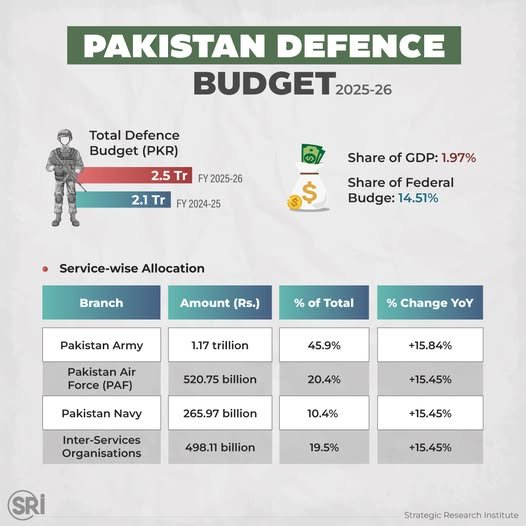
IMF Pakistan fiscal projections point to a significant reshaping of the country’s public finances through FY2030, with lower interest payments offering limited fiscal relief while development spending continues to shrink and defence expenditure steadily rises. According to the International Monetary Fund’s latest review under Pakistan’s $7 billion Extended Fund Facility (EFF), improving fiscal space has not translated into higher development allocations. Instead, the government faces difficult trade-offs between debt servicing, security needs, and long-term economic investment. IMF Pakistan Fiscal Projections on Interest Payments Ease Pressure One of the most notable takeaways from the IMF Pakistan fiscal projections is the gradual decline in interest payments as a share of GDP, largely due to easing policy rates. In FY25, interest payments stood at 7.8 percent of GDP, slightly higher than initial estimates. However, for the current fiscal year, the IMF has revised this figure downward to 6.5 percent, reflecting monetary easing. Looking ahead, interest payments are projected to fall consistently: • FY27: 5.9 percent of GDP• FY28: 5.2 percent• FY29: 5.1 percent• FY30: 4.8 percent In absolute terms, interest costs are expected to hover around Rs8.2 trillion over the next two years before rising gradually to Rs9.3 trillion by FY30. This stabilisation, however, does not necessarily free up space for development spending. Shrinking PSDP a Key Concern in IMF Pakistan Fiscal Projections Despite improving debt indicators, the Public Sector Development Programme (PSDP) remains under severe pressure. The IMF noted that PSDP spending was originally set at 0.9 percent of GDP in FY25, but was cut to 0.7 percent to offset revenue shortfalls. This reduced allocation continues into the current fiscal year. Alarmingly, IMF Pakistan fiscal projections show PSDP falling further to 0.6 percent of GDP next year, a level expected to persist through FY2030. In rupee terms, development spending tells a similar story. PSDP allocations dropped from an original estimate of Rs1.065 trillion to Rs873 billion in the current year. Over the medium term, spending is projected to rise only modestly, reaching Rs1.2 trillion by FY30, still low relative to the expanding size of the economy. This prolonged compression of development expenditure raises concerns about infrastructure gaps, productivity growth, and long-term economic competitiveness. IMF Pakistan Fiscal Projections Signal Rising Defence Spending In contrast to development spending, defence expenditure is on a clear upward trajectory. The IMF observed that defence spending declined from 2.4 percent of GDP in FY21 to 1.8 percent in FY24, before recovering to 1.9 percent in FY25. For the current year, it is projected to rise to 2 percent of GDP, a ratio expected to remain unchanged through FY2030. In absolute terms, defence spending has surged sharply. From Rs1.3 trillion in FY21, it reached Rs2.2 trillion in FY25, reflecting a 67 percent increase in four years. The IMF projects this figure to rise further to nearly Rs4 trillion by FY30, marking an increase of over 80 percent compared to FY25. IMF-Driven PSDP Reforms and Political Constraints Under IMF guidance, the government has begun restructuring the PSDP portfolio to improve project selection and prioritisation. The finance minister has committed to: • Streamlining the PSDP pipeline by Rs2.5 trillion• Capping new project allocations at 10 percent in the FY27 budget• Enhancing scorecard-based project evaluation, including climate-related criteria However, political realities continue to limit reform efforts. The IMF acknowledged its inability to restrict funding for parliamentarians’ constituency schemes under the Sustainable Development Goals Achievement Programme (SAP), which has secured Rs70 billion this year. Low Development Spending Reflects Fiscal Tightening The IMF also warned that lower revenues linked to the National Tariff Policy could trigger further cuts or delays in development spending. This explains why PSDP utilisation during the first five months of the current fiscal year stood at just 9.2 percent, with development expenditure 20 percent lower than last year for the same period. The Planning Ministry confirmed that reduced spending by provinces, special areas, and key ministries particularly railways has weighed heavily on overall development activity. IMF Pakistan fiscal projections underline a structural imbalance in public spending priorities. While easing interest payments provide some breathing room, shrinking development allocations and rising defence expenditure suggest limited space for growth-enhancing investments posing long-term risks to Pakistan’s economic trajectory.

Scroll to Top