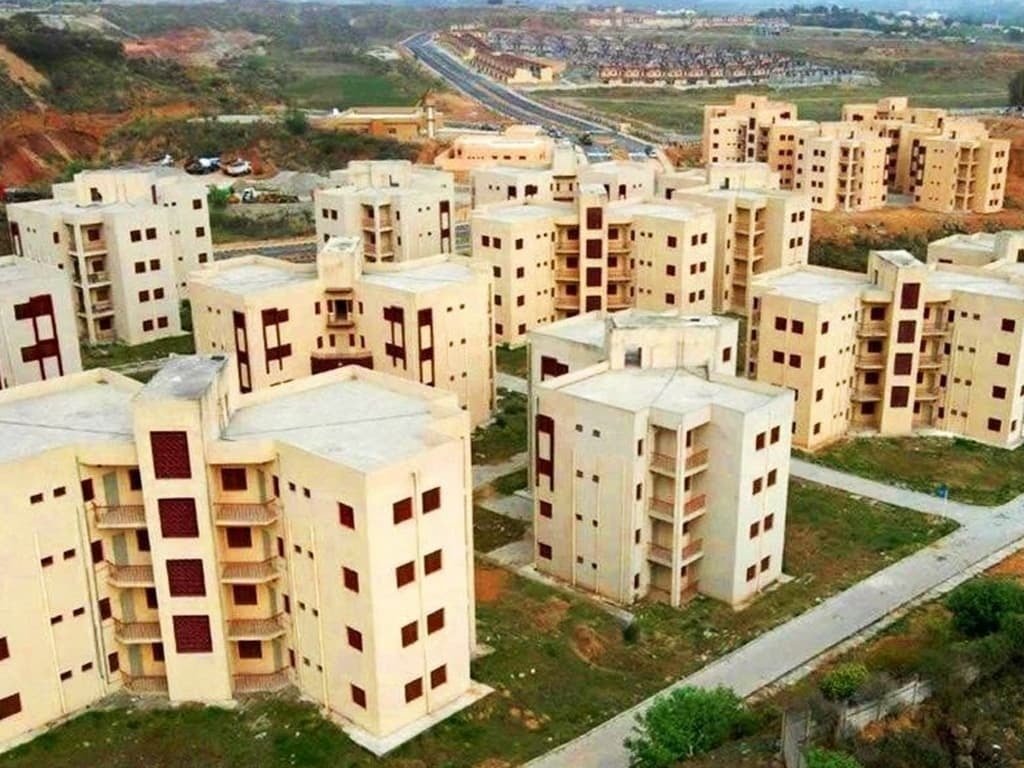
mortgage financing Pakistan

Pakistan Housing Investment Strategy: Government Moves to Boost Affordable Homes and Jobs
Pakistan

Pakistan Housing Investment Strategy: Government Moves to Boost Affordable Homes and Jobs

The Pakistan Housing Investment Strategy has taken center stage as the government pushes for practical steps to expand affordable housing and generate employment nationwide. The initiative aims to unlock investment potential in the construction sector widely regarded as one of the strongest drivers of economic growth. Read More: https://theboardroompk.com/pakistan-finalises-app-based-fuel-quota-for-motorcycles-and-rickshaws/ Chaired by Prime Minister Shehbaz Sharif, the high-level meeting brought together key policymakers, financial leaders, and private sector experts to design a roadmap for accelerating investment and improving access to housing. The leadership emphasized that home ownership is not just a dream but a fundamental right. The government is therefore prioritizing policies that make houses more affordable for middle- and lower-income families while stimulating construction activity. Easy-Term Loans Under Pakistan Housing Investment Strategy A central pillar of the Pakistan Housing Investment Strategy is expanding access to affordable financing. The government reaffirmed its commitment to introducing easy-term housing loans, making it simpler for citizens to purchase or build homes. Officials highlighted that banks will likely be assigned specific lending targets to ensure that financing reaches the intended segments. This move is expected to boost mortgage financing and create a more structured housing finance ecosystem. With lower-cost loans, more families could enter the housing market, while developers would gain confidence to launch new projects creating a positive cycle for economic growth. Stakeholder Consultation Across Provinces The Pakistan Housing Investment Strategy is being designed as a collaborative effort. Prime Minister Shehbaz Sharif directed authorities to consult all stakeholders, including provincial governments, Azad Kashmir, and Gilgit-Baltistan. This inclusive approach aims to ensure that housing policies reflect regional needs and infrastructure realities. By aligning federal and provincial efforts, the government hopes to remove bureaucratic bottlenecks and accelerate project approvals. Overseas Pakistanis and Foreign Investors in Focus Another key component of the Pakistan Housing Investment Strategy is attracting overseas Pakistanis and foreign investors. Authorities are working on measures to ensure: • Protection of investor funds• Transparent regulatory frameworks• Streamlined property registration processes• Investor-friendly housing schemes These steps are expected to channel foreign remittances into productive real estate investments, strengthening Pakistan’s construction sector and improving housing availability. Legal Reforms and Mortgage Ecosystem Development Officials briefed the meeting on progress made by task forces working on legal and financial reforms. These include: • Strengthening mortgage financing systems• Simplifying property laws• Introducing low-cost loan schemes• Encouraging public-private partnerships The goal is to build a modern mortgage ecosystem similar to successful housing finance models in other emerging economies. State Bank Governor Jameel Ahmad also participated in discussions, highlighting the financial sector’s role in supporting sustainable housing growth. Job Creation Through Construction Boom The Pakistan Housing Investment Strategy is expected to significantly boost employment. The construction sector has strong linkages with more than 40 industries, including: • Cement• Steel• Paint• Electrical goods• Transportation An increase in housing projects could therefore create thousands of jobs from skilled engineers to daily wage laborers while stimulating broader economic activity. Government’s Final Directive Concluding the meeting, Prime Minister Shehbaz Sharif instructed authorities to finalize a comprehensive implementation plan. The directive emphasized swift action to accelerate growth in the housing and construction sector. The Pakistan Housing Investment Strategy is expected to: • Increase affordable housing supply• Attract domestic and foreign investment• Expand mortgage financing• Generate employment• Stimulate economic growth If implemented effectively, the initiative could transform Pakistan’s housing landscape and support long-term economic stability.

Affordable Housing Finance Scheme Pakistan: Govt Expands Loan Limit to Rs10 Million
Pakistan

Affordable Housing Finance Scheme Pakistan: Govt Expands Loan Limit to Rs10 Million

The Affordable Housing Finance Scheme Pakistan has entered a transformative phase as the government unveils a sweeping expansion designed to reshape the country’s housing landscape. In a decisive move, the federal authorities in Pakistan have significantly increased the maximum housing loan limit from Rs3.5 million to Rs10 million a policy shift that could redefine the dream of owning a home for thousands of middle-income families. Read More: https://theboardroompk.com/pakistan-external-financing-january-2026-inflows-raise-economic-eyebrows/ Announced through a formal notification by the Ministry of Housing and Works, the revised framework aims not only to expand access to financing but also to ignite fresh momentum across multiple sectors of the national economy. Affordable Housing Finance Scheme Pakistan: Lower Markup, Higher Opportunities One of the most impactful changes under the Affordable Housing Finance Scheme Pakistan is the standardization of the customer markup rate at a flat 5% for all financing tiers. Previously, borrowers in Tier-2 categories were required to pay an 8% markup, creating disparities in affordability. The shift to a uniform and lower rate is expected to significantly ease the financial burden on prospective homeowners. Moreover, loans already disbursed at higher markup rates will now be recalibrated to align with the new 5% structure a move likely to enhance consumer confidence and boost uptake of housing finance products. Inclusive Housing Criteria to Empower Middle-Income Families The expanded Affordable Housing Finance Scheme Pakistan also introduces broader eligibility criteria, reflecting the government’s intent to cater to a wider segment of society. Housing size limits have effectively doubled, allowing financing for houses up to 10 Marlas equivalent to approximately 2,720 square feet. Similarly, the maximum allowable size for apartments and flats has been increased to 1,500 square feet. These changes recognize evolving urban housing needs and provide greater flexibility for families seeking more spacious living arrangements. Financing Structure Designed for Accessibility Under the revised scheme, the Loan-to-Value ratio remains highly favorable at 90:10. In practical terms, this means financial institutions will fund up to 90% of the property’s cost, while buyers are required to contribute only a modest 10% equity portion. This structure reduces the initial financial barrier for first-time homebuyers and aligns with global best practices in affordable housing finance. The policy is expected to make property ownership more attainable for salaried individuals and emerging middle-class households. Affordable Housing Finance Scheme Pakistan: Massive Subsidy Commitment The government’s long-term commitment to the Affordable Housing Finance Scheme Pakistan is reflected in a substantial subsidy allocation. Authorities have pledged to facilitate the construction and purchase of approximately 500,000 housing units over the next four years. In the current fiscal year alone, the target stands at 50,000 units. To support this initial phase, a subsidy package amounting to Rs321.96 billion has been earmarked, covering both markup support and risk-sharing mechanisms. By the fiscal year 2028-29, the annual rollout is expected to scale up to 200,000 housing units. Economic Ripple Effects: Construction and Banking Set to Gain The expansion of the Affordable Housing Finance Scheme Pakistan is widely anticipated to trigger a strong multiplier effect across the national economy. Increased housing construction typically drives demand for cement, steel, and other building materials while stimulating employment in allied industries. At the same time, the banking sector stands to benefit from a surge in mortgage financing activity, potentially unlocking new avenues for financial inclusion and credit growth. Real estate developers are also expected to capitalize on rising demand, fostering broader investment momentum. A Turning Point for Pakistan’s Housing Market As urbanization accelerates and housing shortages persist, the enhanced Affordable Housing Finance Scheme Pakistan represents a strategic policy intervention with far-reaching implications. By lowering financing costs, expanding eligibility, and committing substantial fiscal resources, the government has positioned the housing sector as a key driver of economic resilience and social stability. If effectively implemented, the initiative could mark a pivotal turning point transforming aspirations of homeownership into tangible realities for millions.

Scroll to Top