Pakistan Gas Shortage Expected in April 2026: LNG Disruptions Threaten Power Supply
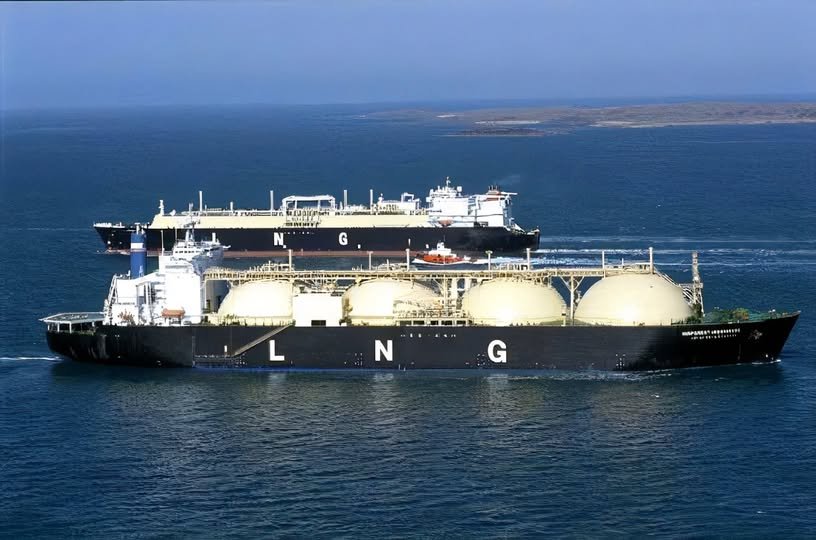
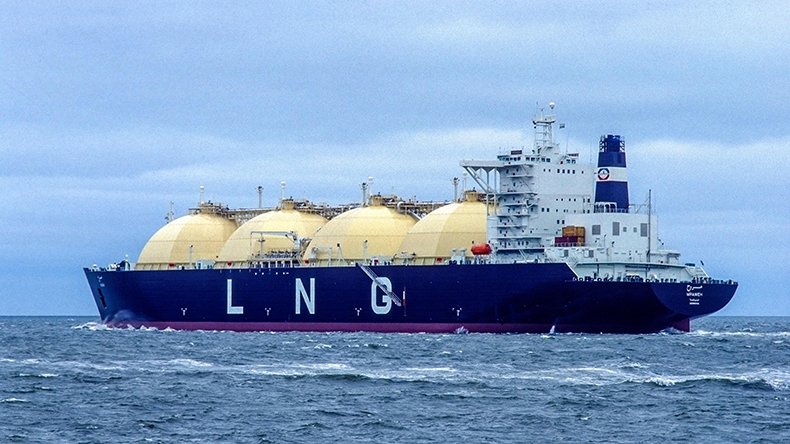
Pakistan Gas Shortage April 2026 is rapidly emerging as one of the most serious energy challenges the country has faced in recent years. With global geopolitical tensions disrupting liquefied natural gas (LNG) shipments from Qatar, Pakistan may face an alarming situation where gas supplies could drop to near zero after April 14. Read More: https://theboardroompk.com/pakistan-food-security-strategy-shehbaz-sharif-pushes-export-driven-agricultural-vision/ The sudden disruption in LNG cargo deliveries is expected to create a ripple effect across the power sector, industrial output, and overall economic stability. Energy planners and policymakers are now scrambling to manage the fallout as the country braces for a potential power crisis. Pakistan Gas Shortage April 2026 Linked to LNG Supply Disruptions The Pakistan Gas Shortage April 2026 is largely being driven by interruptions in LNG shipments originating from Qatar. These shipments typically pass through the strategically vital Strait of Hormuz, a critical maritime route for global energy trade. However, escalating tensions and conflict in the Middle East have disrupted shipping routes and created logistical uncertainties for LNG exporters and importers alike. In March 2026 alone, Pakistan was scheduled to receive eight LNG cargoes to meet domestic demand. Yet six of these shipments were missed, leaving the country with a significant supply deficit. The situation is expected to worsen in April. Out of six LNG cargoes originally planned for the month, at least three are already projected to fail to arrive, raising fears of an acute gas shortage in the coming weeks. Power Generation at Risk as Gas Supply Shrinks The energy sector is particularly vulnerable to the Pakistan Gas Shortage April 2026, as natural gas remains one of the primary fuels used for electricity generation in the country. Gas-fired power plants play a critical role in stabilizing Pakistan’s electricity grid. With LNG imports shrinking dramatically, these power plants may struggle to maintain production levels, potentially leading to widespread electricity shortages. Energy experts warn that if additional LNG cargoes fail to arrive, the country could experience severe power outages during peak demand periods. This scenario could place additional pressure on already strained power infrastructure. Economic Impact of Pakistan Gas Shortage April 2026 Beyond electricity generation, the Pakistan Gas Shortage April 2026 carries broader economic implications. Natural gas is a key input for several industries, including fertilizer production, textiles, and manufacturing. Any disruption in gas supply could slow industrial output and increase production costs. Higher energy costs and supply constraints may also contribute to rising inflation across multiple sectors. Food prices could be particularly vulnerable if fertilizer production declines, potentially impacting agricultural yields in upcoming crop cycles. Economic analysts caution that an extended energy crisis could dampen investor confidence and slow economic recovery efforts. Government Races to Implement Contingency Measures To mitigate the effects of the Pakistan Gas Shortage April 2026, the government has begun exploring several emergency measures. Authorities are actively seeking alternative fuel supplies in global energy markets. However, LNG spot prices remain volatile due to geopolitical tensions and rising demand from other importing countries. At the same time, policymakers are considering energy conservation measures similar to those implemented during the COVID-19 pandemic. These could include reduced operating hours for certain sectors, energy-saving policies, and restrictions on non-essential fuel consumption. Another strategy being pursued involves maximizing domestic energy production. Local gas reserves and alternative power sources are being utilized more aggressively to bridge the supply gap. Short-Term Fuel Stocks Offer Temporary Relief Despite the escalating situation, government officials have indicated that Pakistan currently has limited fuel reserves available to cushion the immediate impact of the crisis. These reserves may provide temporary stability to the power sector and essential industries during the early phase of the shortage. However, analysts emphasize that this buffer is short-lived and cannot fully offset prolonged LNG disruptions. If LNG shipments fail to normalize soon, the Pakistan Gas Shortage April 2026 could evolve into a broader energy emergency affecting households, businesses, and economic activity nationwide. A Critical Test for Pakistan’s Energy Security The unfolding Pakistan Gas Shortage April 2026 highlights the country’s growing dependence on imported energy and the vulnerabilities within global fuel supply chains. As geopolitical tensions reshape global energy flows, Pakistan’s ability to diversify its energy mix and strengthen domestic production will likely become an urgent national priority. For policymakers, businesses, and consumers alike, the coming weeks may prove crucial in determining how deeply this energy crisis will impact Pakistan’s economy and daily life.