
Pakistan’s Human Capital Ranking is Far Worse than Nigeria
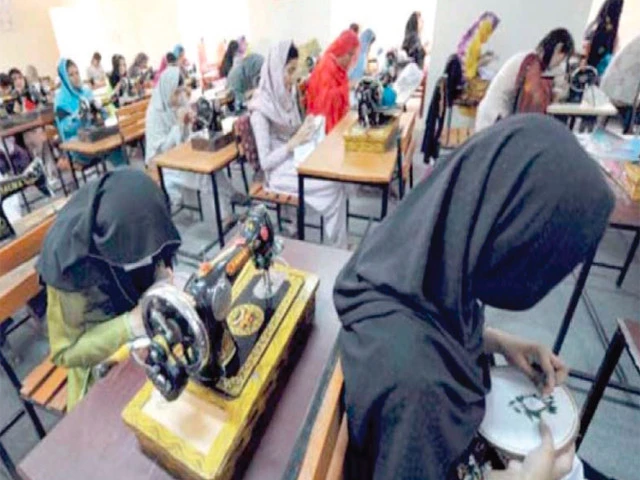
Pakistan has declined in global human capital rankings, underscoring deep-rooted challenges in education, skills development, and workforce productivity. A recent analysis by the Overseas Investors Chamber of Commerce and Industry highlights growing concerns over the country’s long-term economic outlook. Education and Skills Gap Widen Pakistan ranks 130 out of 174 countries on the Human Capital Index Plus (HCI+), placing it significantly below the lower-middle-income average. Weak learning outcomes, low school completion rates, and limited access to quality education continue to hinder progress. The situation is further aggravated by minimal workplace training, with fewer than 20% of firms offering structured employee development programs. Experts warn of an emerging “skill trap,” where workers remain stuck in low-productivity jobs with limited income growth. Nearly 95% of Pakistan’s self-employed workforce is engaged in low-skill activities—such as subsistence agriculture, street vending, and informal services—placing the country behind regional peers like India and Bangladesh in key indicators. Labour Market Challenges Persist According to Dr Jazib Mumtaz of the Institute of Business Administration, Pakistan’s labour productivity remains among the lowest in the region. Limited technical training and slow adoption of modern technologies are major contributing factors, while many businesses still view employee training as a cost rather than an investment. Although public institutions like Technical Education and Vocational Training Authority offer skill development programs, industry participation remains weak due to low awareness and policy gaps. Socioeconomic Pressures Deepen the Crisis Household spending patterns further constrain human capital development. Around 35% of income is spent on food and 20% on housing and energy, leaving minimal resources for health (3.5%) and education (under 2.5%). Nearly 40% of the population faces food insecurity, negatively impacting nutrition and long-term productivity. Need for Urgent Structural Reforms Global evidence suggests that targeted interventions can improve outcomes. These include linking training incentives to employee retention, prioritizing soft skills such as communication and problem-solving, and establishing formal apprenticeship systems with recognized certifications. Without immediate and sustained reforms, Pakistan risks missing out on its demographic dividend. Strengthening policy frameworks, increasing private sector engagement, and investing in workforce development will be critical to building a more skilled and productive economy.