
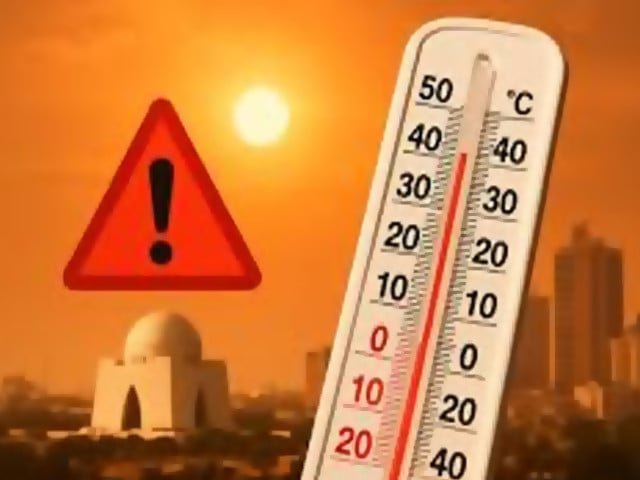
Karachi Heatwave Conditions Worsen as Temperature Crosses 42°C
Karachi heatwave conditions intensified on Monday as temperatures surged above 42°C due to the suspension of sea breeze and the dominance of hot, dry northwesterly winds. The port city experienced near heatwave-like conditions, raising serious health concerns among residents and prompting authorities to issue alerts. The Pakistan Meteorological Department (PMD) reported that the city remained under extreme heat stress throughout the day. The absence of cooling sea winds played a critical role in pushing temperatures higher. As a result, Karachi residents faced intense discomfort and increased risk of heat-related illnesses. Sea Breeze Suspension Drives Extreme Heat Weather experts confirmed that the temporary halt of sea breeze significantly worsened Karachi heatwave conditions. Normally, the sea breeze moderates the city’s temperature. However, its absence allowed dry continental winds to dominate the weather system. On Sunday, the weather station at Old Airport recorded a maximum temperature of 40.9°C with 52% humidity. This combination made the heat feel more intense than actual readings. The heat index rose four to five degrees higher, making conditions feel close to 45°C. Different areas across Karachi recorded varying temperatures. Gulistan-e-Johar emerged as the hottest locality at 42°C. Jinnah Terminal followed with 41.4°C, while Mauripur recorded 40°C. Sharae Faisal experienced slightly lower temperatures at 39.5°C. Despite these variations, the entire city remained under severe heat stress. Sindh and Southern Regions Face Severe Heat The Met Office forecast hot and dry weather across most parts of the country. However, southern regions, especially Sindh and parts of Balochistan, faced the most extreme conditions. Meteorologists warned that several districts could continue to experience dangerously high temperatures. In interior Sindh, Jacobabad recorded a scorching 46°C, making it one of the hottest areas in the region. Similarly, cities like Shaheed Benazirabad, Sakrand, and Dadu reported temperatures as high as 46.5°C in recent days. These readings remained significantly above normal seasonal averages. Hyderabad also experienced extreme heat, with temperatures crossing the 45°C mark. The prolonged spell of hot weather increased pressure on public health systems and essential services. Government Issues Alerts and Emergency Measures Sindh Chief Minister Murad Ali Shah issued an alert for provincial authorities in response to worsening Karachi heatwave conditions and rising temperatures across the province. He directed district administrations in Jamshoro, Dadu, Nawabshah, Ghotki, and Sanghar to take immediate action. Authorities began setting up Heatwave Relief Camps to assist affected populations. These camps aim to provide water, shade, and first aid to vulnerable individuals. The chief minister also instructed hospitals to ensure emergency preparedness. Medical facilities must arrange special counters and staff to handle heatstroke cases efficiently. These steps aim to reduce fatalities and improve response time during peak heat hours. Heatwave Criteria and Ongoing Risk Weather officials explained that a formal heatwave requires specific conditions. These include the suspension of sea breeze for three to five consecutive days, temperatures exceeding 40°C, and humidity levels rising above 65%. Although Karachi has not yet met all criteria for a declared heatwave, current conditions remain dangerously close. Experts warned that if sea breeze delays further, the city could officially enter a heatwave phase. Possible Relief Expected Soon Despite the harsh conditions, meteorologists offered slight hope for relief. They predicted that sea breezes may resume by Monday evening, potentially lowering temperatures. From Tuesday onward, temperatures could drop to a range between 36°C and 38°C. However, experts cautioned that relief may remain temporary. Climate patterns indicate that extreme heat spells could return during the ongoing summer season. Public Advised to Take Precautions Authorities urged citizens to take preventive measures seriously. They advised people to avoid direct sunlight during peak hours, especially between noon and 4 PM. Residents should drink plenty of water and wear light clothing. Health experts also warned against ignoring early signs of heatstroke. Symptoms such as dizziness, nausea, and excessive sweating require immediate medical attention. Vulnerable groups, including children, the elderly, and outdoor workers, face higher risks. Karachi heatwave conditions continue to challenge daily life in the city. As temperatures remain high, authorities and residents must stay vigilant. Effective precautionary measures and timely response can help reduce the impact of extreme weather.