
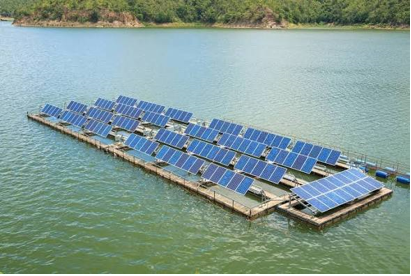
Sindh to Get 500MW Floating Solar Power Facility at Keenjhar Lake
The government has planned the ambitious Keenjhar Lake Floating Solar Project in Sindh to generate 500 megawatts of clean electricity and strengthen Pakistan’s renewable energy sector. According to official documents, the project aims to reduce dependence on imported fossil fuels while supporting the country’s long-term climate and energy goals. Authorities estimate the total cost of the project at nearly $243.63 million. The floating solar facility is expected to generate around 861.91 gigawatt-hours of electricity annually. Officials project the plant will operate with a capacity factor of 19.6%. Electricity generated from the project will be supplied to K-Electric under a long-term power purchase agreement. Authorities have already secured a letter of intent from K-Electric, while the process for selecting Engineering, Procurement, and Construction (EPC) contractors is currently under way. Project to Be Developed Through EPC Model Official documents show the Keenjhar Lake Floating Solar Project will be executed under the Engineering, Procurement, and Construction model through competitive bidding. The government plans to select contractors through a transparent process aimed at ensuring technical efficiency and cost effectiveness. Financial projections reveal the project offers an internal rate of return of 13.94%. Meanwhile, the estimated electricity tariff has been set at 3.98 US cents per kilowatt-hour. The investment structure includes approximately $182.72 million in debt financing and nearly $60.91 million in equity investment. Energy experts say the tariff remains competitive compared with several traditional energy sources currently used in Pakistan. Renewable Energy Push Linked to Climate Targets Officials say the project aligns with Pakistan’s 2030 emissions reduction targets and broader plans to expand renewable energy generation nationwide. Pakistan has increasingly shifted focus toward solar, wind, and hydropower projects to reduce pressure on foreign exchange reserves caused by fuel imports. The government believes renewable energy projects can help stabilize electricity costs while reducing environmental pollution linked to conventional power generation. Industry analysts note that floating solar technology is gaining popularity globally because it allows countries to produce electricity without occupying valuable agricultural or urban land. Strategic Location Near Industrial Zones The Keenjhar Lake project has been planned near major industrial areas in Sindh, which officials believe will improve electricity transmission efficiency to high-demand regions. According to official documents, the use of water surfaces for solar installations helps avoid land acquisition disputes often associated with traditional solar power plants. Experts say floating solar systems can also improve panel efficiency because water surfaces help maintain lower operating temperatures compared with land-based systems. This cooling effect may increase electricity generation efficiency and improve the long-term performance of solar panels. Economic and Employment Benefits Expected Officials expect the project to create employment opportunities during both construction and operational phases. Construction activities are likely to generate jobs for engineers, technicians, laborers, and logistics staff. Additional technical and maintenance jobs are also expected once the plant becomes operational. Energy sector observers believe large-scale renewable energy investments can support industrial growth while strengthening Pakistan’s energy security. The Keenjhar Lake Floating Solar Project is now being viewed as another major step in the government’s broader strategy to diversify the national energy mix and lower the economic burden caused by imported fuel dependency. Analysts say successful execution of the project could encourage further investment in renewable energy infrastructure across Pakistan in the coming years.