
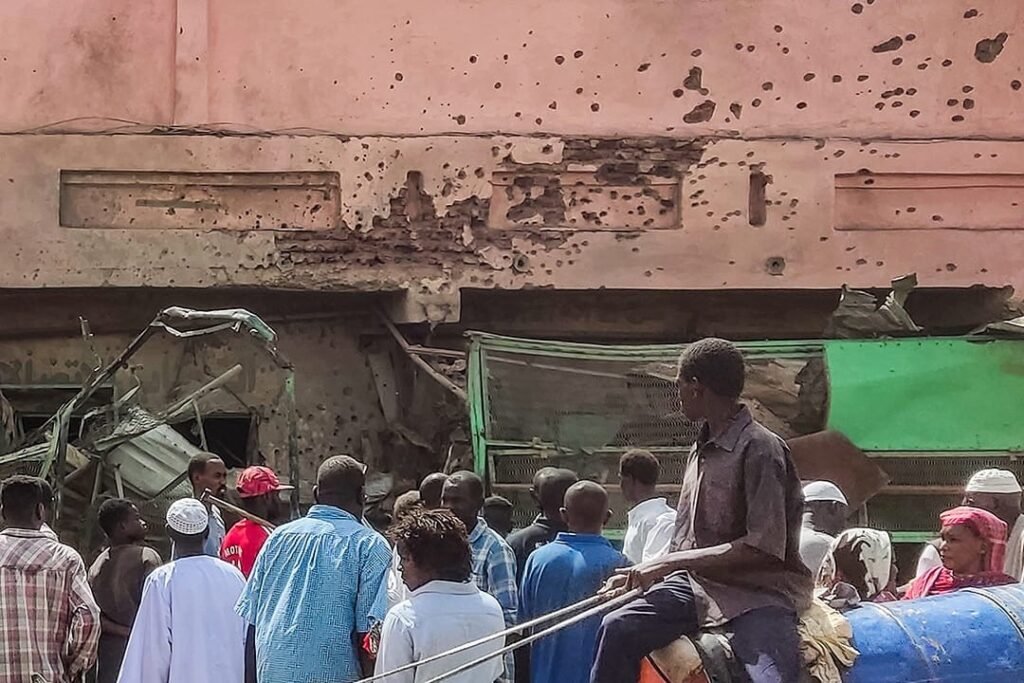
Sudan reached a tragic milestone of 1,000 days since the outbreak of civil war in April 2023, between the Sudanese Armed Forces (SAF) and the paramilitary Rapid Support Forces (RSF).
Aid agencies and international organizations, including the UN Office for the Coordination of Humanitarian Affairs (OCHA) and UNICEF, highlighted the unrelenting suffering of millions of civilians amid ongoing clashes, sieges, and attacks on infrastructure.
The conflict has escalated into the world’s largest humanitarian crisis, characterized by massive displacement, acute food insecurity, and widespread violence, with no immediate end in sight despite repeated calls for peace.
Escalating Violence and Civilian Toll
Fighting continues across regions like Kordofan and Darfur, with sieges on towns such as Kadugli and Dilling cutting off access to food, healthcare, farms, and markets. Recent incidents include drone attacks and long-range strikes on civilian areas, such as one in Al Obeid, North Kordofan, where eight children were killed.
OCHA spokesperson Jens Laerke described the situation as dire, noting that “fighting on the ground and drone attacks from the sky continue,” with strikes extending “far beyond the front lines.” Civilians face constant threats from unexploded ordnance in Khartoum and repeated displacement, with violence pursuing them wherever they flee.
Humanitarian Catastrophe and Urgent Appeals
The war has uprooted 9.3 million people internally and forced over 4.3 million to flee abroad, while more than 21 million face acute food insecurity. Children are especially vulnerable, with 5,000 displaced daily since the conflict began, many repeatedly, and at risk of rape, starvation, and recruitment.
UNICEF emphasized that “behind every one of these numbers is a child, frightened, hungry, sick.” Women and girls endure rampant gender-based violence, with female-headed households three times more likely to be food insecure.
Funding remains critically low—only 36% of last year’s $4.2 billion appeal was met—prompting urgent calls from UN officials for an immediate cessation of hostilities, protection of civilians, adherence to international humanitarian law, and renewed global funding to assist the 34 million in need.