
SME Growth in Pakistan is moving into the national spotlight after Prime Minister Shehbaz Sharif ordered commercial banks to make loans easier for women entrepreneurs and small businesses across the country.
The move is being seen as a major economic intervention aimed at unlocking business potential, increasing exports, and creating jobs at a time when Pakistan is looking for stronger economic stability and sustainable growth.
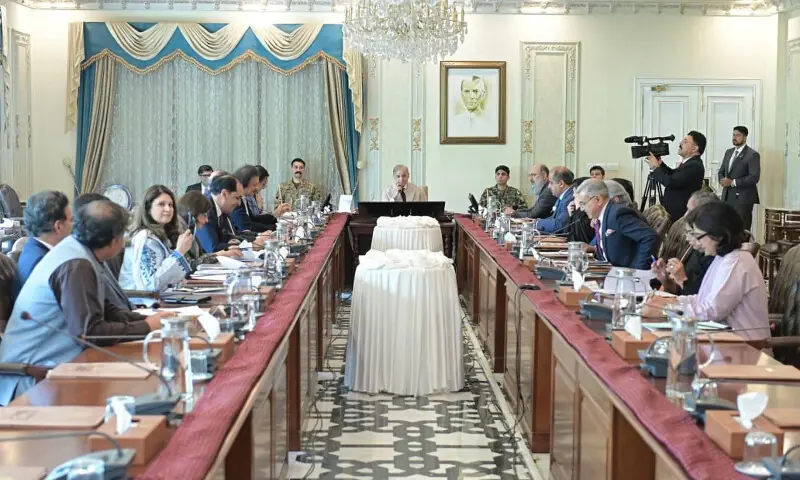
Chairing a high-level review meeting on SME reforms, the prime minister stressed that small and medium enterprises are the backbone of Pakistan’s economy and could become a powerful engine for exports if given proper financial support.
PM Shehbaz Wants Banks to Open Doors for Small Businesses
During the meeting, PM Shehbaz Sharif instructed commercial banks to simplify the credit process for SMEs and women-led businesses. The government believes that many talented entrepreneurs remain trapped due to limited financing options, strict lending conditions, and lack of banking support.
The prime minister emphasized that SMEs must receive easier access to capital so they can expand operations, modernize production, and compete in international markets.
Officials attending the meeting included key federal ministers, senior policymakers, the Governor of the State Bank of Pakistan, and representatives from Small and Medium Enterprises Development Authority.
SME Growth in Pakistan Linked to Export Expansion
One of the strongest messages from the meeting was the government’s focus on turning SMEs into export-driven businesses.
Authorities revealed that a special export financing window created on the prime minister’s instructions has already helped onboard 41 new SMEs. This financing facility is designed to help smaller businesses enter international markets by providing easier funding access and export support.
Experts believe Pakistan’s SME sector has long remained underutilized despite contributing significantly to employment and industrial activity. The new export-focused strategy could help local manufacturers and startups compete globally.
Agriculture Processing Sector Gets Big Relief
In another major development, PM Shehbaz directed authorities to grant SME status to agriculture processing sectors.
This decision could open new financing opportunities for food processing units, agricultural exporters, packaging companies, and rural enterprises that previously struggled to qualify for SME-related benefits.
Analysts say this move may help modernize Pakistan’s agriculture value chain while increasing exports of processed food and agricultural products.
State Bank Reveals Stunning Rise in SME Lending
The meeting also highlighted a sharp rise in SME financing across Pakistan.
According to the State Bank Governor, private sector lending crossed the Rs 904 billion target during the first three quarters of the current fiscal year. SME loans recorded an impressive 28 percent increase, signaling growing confidence in the business sector.
Due to this rapid growth, authorities have revised the 2028 SME lending target upward from Rs 1,100 billion to Rs 1,500 billion.
The revised target reflects the government’s aggressive strategy to expand private sector activity and encourage entrepreneurship nationwide.
48 New Initiatives Planned for SME Growth in Pakistan
Officials briefed the prime minister on 48 separate initiatives prepared across eight strategic sectors. These initiatives are expected to support business growth over the next two to four years.
The roadmap was developed jointly by SMEDA and the Ministry of Industries. PM Shehbaz ordered authorities to prepare a strict implementation plan with clear deadlines and measurable goals.
The government hopes these reforms will improve industrial productivity, increase exports, encourage innovation, and create employment opportunities for thousands of Pakistanis.
Why This Matters for Pakistan’s Economy
Pakistan’s SME sector accounts for a large share of employment and business activity, but many enterprises continue to face financing shortages and market access barriers.
By improving access to loans and export opportunities, the government aims to strengthen economic activity from the grassroots level.
If implemented effectively, these reforms could reshape Pakistan’s business environment by empowering startups, supporting women entrepreneurs, boosting industrial production, and driving long-term export growth.
The latest push for SME Growth in Pakistan signals that the government is now placing small businesses at the center of its economic recovery strategy.