
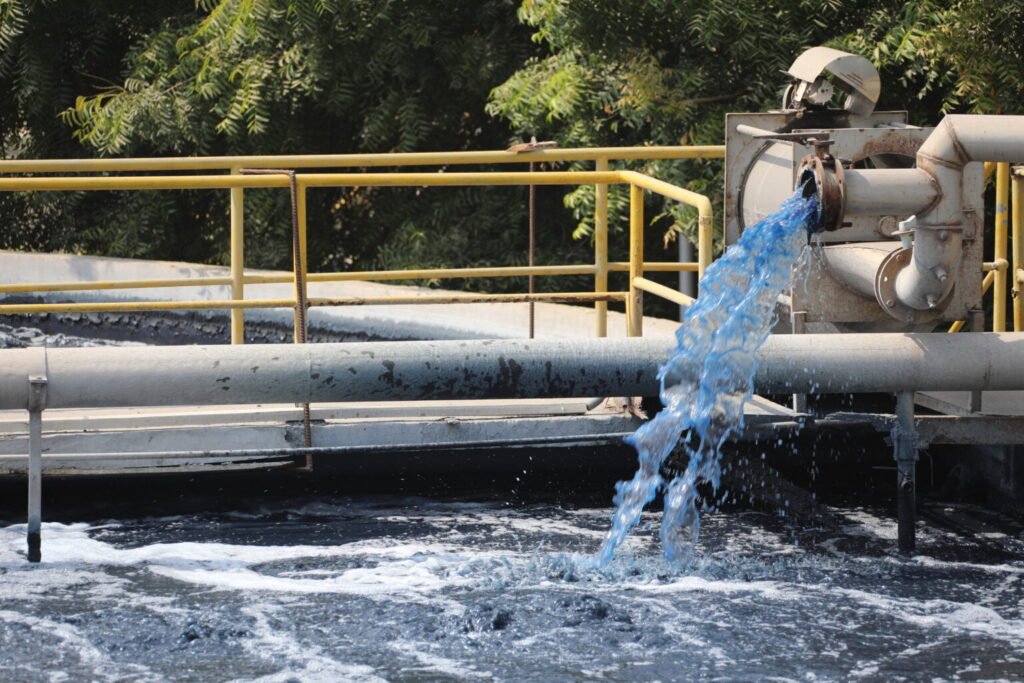
The SITE industrial water crisis has triggered a complete shutdown of industrial activity in Karachi’s Sindh Industrial Trading Estate (SITE), sending shockwaves through Pakistan’s already fragile economy. What began as a suspension of water supply late Friday has rapidly escalated into a national economic concern one that policymakers can no longer afford to ignore.
Karachi, Pakistan’s financial and industrial backbone, contributes the largest share of tax revenue, exports, and employment. When its factories stop, the country feels the tremors far beyond Sindh’s borders.
Why the SITE Industrial Water Crisis Is a National Emergency
According to SITE Association of Industry President Ahmed Azeem Alvi, industrial operations in the SITE area have been completely paralysed due to the unavailability of water an essential input for manufacturing.
Water is not just a utility for industries; it is a production lifeline. From textiles and chemicals to engineering and pharmaceuticals, nearly every industrial process in SITE depends on a stable water supply. Without it, machinery sits idle, supply chains break, and export orders stall.
The immediate consequences of the SITE industrial water crisis include:
• Suspension of factory operations
• Daily financial losses running into millions
• Heightened risk of permanent factory closures
• Threats to thousands of industrial jobs
If prolonged, this disruption could turn into irreversible economic damage.
Industrial Paralysis in Karachi: What’s Really at Stake
Exports, Employment, and Investor Confidence
Karachi’s industries are among Pakistan’s largest exporters. When factories shut down:
• Export shipments are delayed or cancelled
• Foreign buyers lose confidence
• Global supply contracts shift to competitor countries
At the same time, industrial workers many of whom depend on daily wages face immediate unemployment risks. A prolonged SITE industrial water crisis could trigger mass layoffs, reducing household incomes and slowing consumption nationwide.
Why Reliance on the Water Board Is No Longer Sustainable
One of the most pressing concerns highlighted by industry leaders is the limited capacity of the Karachi Water and Sewerage Corporation (KWSC). Industrial demand far exceeds what the utility can realistically supply.
Historically, industries have relied on sub-soil water sources to maintain operations. The suspension or disruption of these sources has left factories with no viable alternatives.
Without immediate resolution of sub-soil water issues, restarting industrial production remains impossible no matter how strong the demand.
Rising Costs Are Pushing Industries to the Brink
The SITE industrial water crisis comes at a time when manufacturers are already under severe financial pressure. Karachi industries face:
• The highest electricity tariffs in Pakistan
• Elevated gas prices
• Escalating industrial water charges
Recent increases in water tariffs have added fuel to the fire, making production increasingly unviable. Manufacturers argue that the cost structure now forces a painful question:
Should industries operate at a loss or shut down altogether?
SITE Industrial Water Crisis Demands Immediate Government Action
Industry leaders have urged Sindh Chief Minister Syed Murad Ali Shah, Karachi Mayor Murtaza Wahab, and senior water authorities to intervene urgently.
Key demands include:
• Immediate restoration of water supply to SITE industries
• Priority resolution of sub-soil water issues
• A realistic industrial water policy aligned with production needs
• Reduction in utility tariffs to prevent industrial flight
Without swift corrective measures, the damage will not remain confined to Karachi. A slowdown in industrial output directly impacts national revenue, exports, and GDP growth.
The Bigger Picture: A Defining Moment for Pakistan’s Economy
The SITE industrial water crisis is more than a local infrastructure failure it is a stress test for Pakistan’s economic governance. The government now faces a defining choice:
Support industry and protect economic growth, or allow rising costs and utility failures to push factories into closure.
As Pakistan navigates economic recovery, ensuring uninterrupted industrial utilities is no longer optional it is essential.