
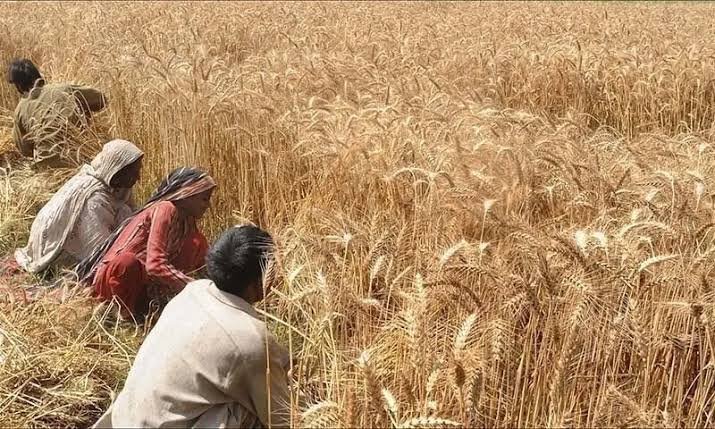
Sindh Wheat Crackdown Recovers 150,000 Tonnes, Bringing Down Wheat Prices
Pakistan’s wheat market has witnessed a major shift after the Sindh Wheat Crackdown recovered nearly 150,000 tonnes of wheat from alleged hoarders, helping reduce wheat prices by 13% following the release of the recovered stocks into the market.
The provincial government says the operation has significantly improved wheat availability, easing pressure on consumers who have faced elevated food prices despite a strong domestic harvest. Officials describe the campaign as one of the largest anti-hoarding drives undertaken in Sindh in recent years.
Anti-Hoarding Operation Targets Artificial Shortages
Addressing a press conference, Sindh Senior Minister and Provincial Minister for Information, Transport and Mass Transit Sharjeel Inam Memon said both Sindh and Punjab recorded strong wheat production during the latest harvesting season.
Despite the bumper crop, he alleged that large quantities of wheat were purchased and stored by hoarders, creating artificial shortages and preventing market prices from reflecting abundant supply.
According to the provincial government, the recovered wheat has now been released into the market, increasing supply and helping stabilize prices for consumers.
Wheat Prices Fall 13% Following Market Intervention
Officials say the most immediate outcome of the crackdown has been a 13% reduction in wheat prices, demonstrating the impact of improved market supply.
The Sindh government stated that individuals whose wheat stocks were confiscated were compensated according to officially notified procurement prices. Authorities have also urged traders and warehouse owners still holding excessive wheat stocks to voluntarily release them to improve market availability.
The government believes additional supply entering flour mills and wholesale markets will help maintain price stability in the coming weeks.
Sindh and Punjab Adopted Different Wheat Procurement Policies
Sharjeel Memon said Sindh and Punjab followed different procurement strategies during the current wheat season, resulting in varying market conditions.
He rejected reports suggesting wheat was being transported from Punjab to Afghanistan but claimed authorities had found evidence of wheat being moved from Sindh into Punjab.
The minister also clarified that constitutional provisions do not permit provinces to restrict the movement of wheat across provincial borders, reaffirming that inter-provincial trade remains legally protected.
Why the Sindh Wheat Crackdown Matters
Wheat is Pakistan’s primary staple food, making price stability essential for millions of households.
Officials argue that hoarding distorts markets by creating artificial shortages, increasing food inflation, and forcing governments to intervene. By recovering hidden stocks and releasing them into the market, authorities hope to discourage speculative practices while improving food security.
Economists note that long-term stability will depend on transparent procurement policies, effective market oversight, and coordinated action between provincial governments.
Water Distribution Concerns Also Raised
During the briefing, Sharjeel Memon also highlighted Sindh’s concerns regarding water availability.
He urged the federal government and the Indus River System Authority (IRSA) to ensure Sindh receives its constitutional share of water under the Water Apportionment Accord.
The minister said fair water distribution remains critical for sustaining agricultural production, particularly wheat cultivation, in the coming seasons.
Government Seeks Sustainable Market Stability
The recovery of 150,000 tonnes of wheat demonstrates the immediate impact that enforcement action can have on improving supply and reducing prices.
Provincial authorities say they will continue monitoring wheat markets to prevent hoarding and ensure adequate supplies remain available to consumers. They believe sustained enforcement, transparent procurement policies, and efficient distribution systems will be essential to maintaining price stability and strengthening Pakistan’s food security in the months ahead.