
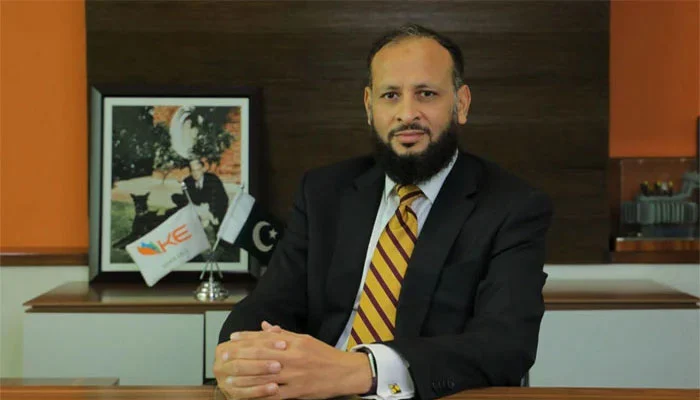
In a significant development for Karachi’s power sector, Sindh Governor Kamran Tessori has nullified the Provincial Ombudsman’s order to remove Moonis Alvi from his position as CEO of K-Electric Limited, citing a review of records and arguments under the Protection against Harassment of Women at the Workplace Act, 2010.
Legal Reversal and Appeal Process
The decision came after Alvi filed an appeal against the Ombudsman’s July 31, 2025, directive, which stemmed from allegations of workplace harassment. The Sindh High Court had already suspended the order just a day after its issuance, providing interim relief. Governor Tessori, exercising powers under Section 9 of the Act, heard from all parties involved before setting aside the ruling.
This move underscores the appellate mechanisms available in harassment cases, ensuring thorough scrutiny. K-Electric, Karachi’s sole electricity provider, announced the update via a Pakistan Stock Exchange notice, highlighting the governor’s comprehensive review.
Implications for Corporate Governance and Public Reaction
Alvi expressed relief on social media, posting, “Alhamdullilah, good to see this chapter coming to a rightful close. Grateful to all my family and friends who stood by me during this time.” He had previously called the Ombudsman’s findings “deeply distressing,” arguing they did not reflect the true situation.
The case highlights ongoing challenges in addressing workplace harassment in Pakistan’s corporate landscape, particularly in utility sectors affecting millions. K-Electric serves over 3.4 million customers in Karachi and surrounding areas, making leadership stability crucial amid frequent power outages and public scrutiny.
Critics argue such reversals could undermine trust in ombudsman institutions designed to protect employees. Supporters view it as a fair outcome based on evidence. The Protection against Harassment Act, amended over time, aims to safeguard women but allows for appeals to higher authorities like the governor.
This resolution may influence future handling of similar complaints in Sindh. Legal experts note that while the order is set aside, the underlying allegations could still be pursued through other channels.
For K-Electric, this clears a hurdle for Alvi, who has led the company since 2018, focusing on infrastructure upgrades. The episode began with a complaint leading to the Ombudsman’s probe, details of which remain confidential.
Public interest in the case spiked due to K-Electric’s monopoly status and consumer grievances. As Karachi residents, many affected by power issues, watch closely, this decision might shift focus back to operational improvements.
Overall, it reinforces the importance of due process in sensitive matters.