
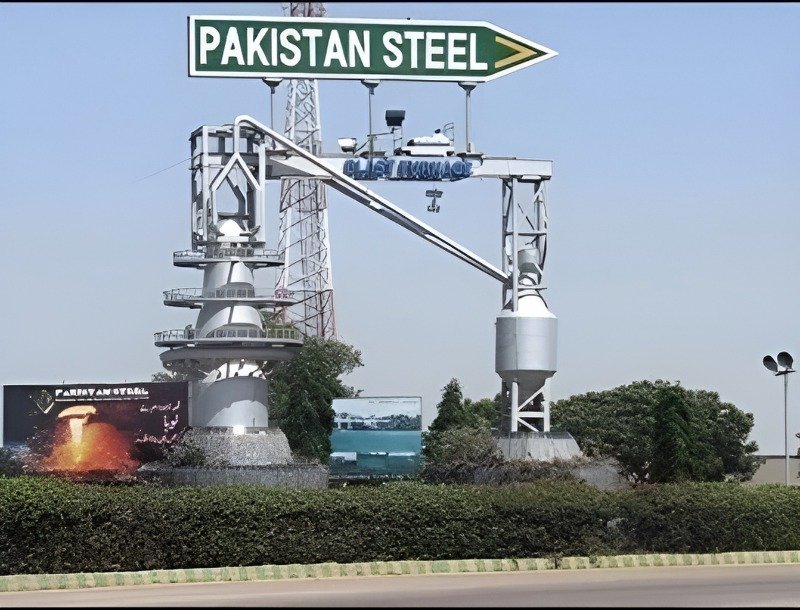
Pakistan Steel Mills has been shut since June 2015. The furnaces are cold. The bills are not.
Official figures from the Ministry of Industries show the idle plant piled up Rs79.3 billion in losses from fiscal year 2023-24 through 2025-26. Last year alone the damage was Rs24 billion.
Most of that money never produced a tonne of steel. It went to interest, salaries, and utilities at a factory that does not work.
Interest On Old Loans Drives Most Of The Loss
About Rs57.4 billion, or 72 percent of the three-year total, was interest on past loans. In the latest fiscal year, interest came to Rs17.7 billion.
Of that, Rs11.8 billion was charged on a government cash development loan. Another Rs5.2 billion went to commercial banks, mainly the National Bank of Pakistan.
As of 2024-25, the government loan stood at Rs108 billion. Bank loans added more than Rs40 billion. Interest keeps accruing even though there is no production.
Debt Cleanup Advice Was Left On The Shelf
The finance ministry’s Central Monitoring Unit had already flagged the problem. It said debt restructuring, including debt-to-equity swaps and negotiated write-downs, was essential if any serious investor was ever to come in.
It also recommended parking old liabilities in a holding company so the mill itself could be offered clean. That advice was not followed.
The plant is obsolete. It lost the domestic market to imported steel years ago. Without modernisation, it cannot compete.
Salaries And Utilities Keep Running
Over three years, salaries at the closed mill cost Rs3.9 billion. That bill fell by half in 2025-26, but it did not disappear.
Fuel, power, water and gas added another Rs9.1 billion. Those charges dropped by about a third last year. Pensions and other contingent claims sit on top of that.
Guarantees of around Rs40 billion have been needed just to prevent default. Monitors say joint ventures with global steel makers could bring capital and skill. Until debt, subsidies and technology are fixed, the mill remains a fiscal deadweight.