
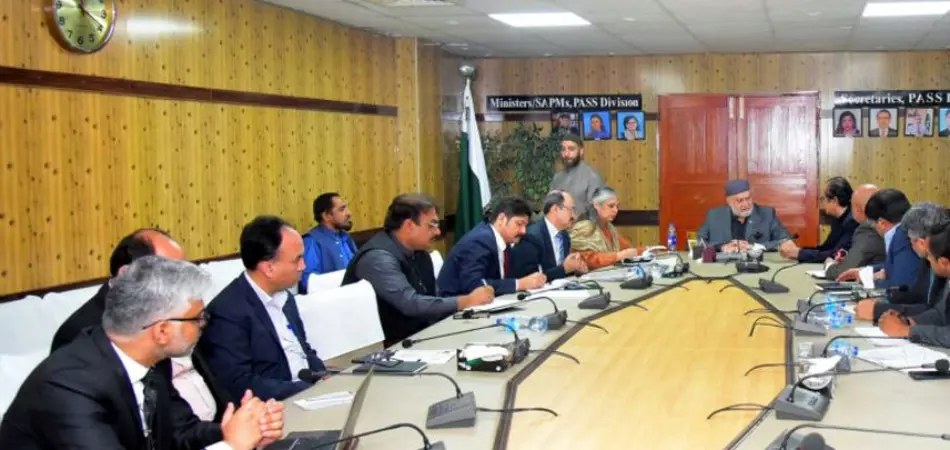
The Ramzan Relief Package 2026 has officially entered its disbursement phase, marking a critical step in Pakistan’s effort to provide timely financial relief to millions of vulnerable families during the holy month. With funds already being credited into beneficiaries’ accounts, the government aims to ensure that no deserving household is left waiting when support is needed most.
This year’s initiative stands out not just for its scale, but for its speed, transparency, and digitized approach elements designed to rebuild public trust and enhance efficiency in social protection programs.
Ramzan Relief Package 2026: Immediate Disbursement for Maximum Impact
Under the Ramzan Relief Package 2026, authorities have prioritized immediate fund transfers, allowing beneficiaries to access financial assistance without delays. A key directive issued during a high-level review meeting ensures that all payments begin promptly, with financial institutions working at full capacity from the first day of Ramzan.
The meeting, chaired by Federal Minister for Poverty Alleviation and Social Protection Syed Imran Ahmad Shah, brought together major stakeholders including State Bank of Pakistan, NADRA, and Benazir Income Support Programme.
A strong emphasis was placed on operational readiness particularly ensuring that all beneficiary accounts are active and capable of receiving funds without disruption.
Digital Payments Strengthen Transparency and Dignity
One of the most notable features of the Ramzan Relief Package 2026 is its fully digital disbursement system. Payments are being made directly into bank accounts and mobile wallets, reducing the risks of leakage, delays, or mismanagement.
This approach aligns with Pakistan’s broader financial inclusion strategy, ensuring that assistance reaches recipients securely while preserving their dignity. The involvement of institutions like the National Telecommunication Corporation and participating banks further strengthens the technological backbone of the program.
Scale and Allocation of the Ramzan Relief Package 2026
The financial scope of the package reflects the government’s commitment to addressing economic challenges faced by low-income households.
A total allocation of Rs38 billion has been made under the initiative unveiled by Prime Minister Shehbaz Sharif.
• Rs28 billion is dedicated to 2.1 million families not covered under any existing Kafalat programme. Each eligible household will receive Rs13,000.
• Rs10 billion is reserved for 10 million families already registered under the Kafalat Programme, ensuring continuity of support.
Instead of presenting this as raw data, the structure reveals a dual-layer strategy: expanding coverage to previously excluded families while reinforcing support for those already within the social safety net.
Real-Time Monitoring Ensures Accountability
To maintain transparency, the government has established a centralized control room equipped with a real-time monitoring dashboard. Early figures indicate nearly 200,000 calls received from beneficiaries, with a significant portion resolved through automated systems and live agents.
The Benazir Income Support Programme has been tasked with operating this control room 24/7 during the initial ten days of Ramzan. Additionally, coordination among departments is being streamlined through digital communication channels, ensuring rapid response to any issues.
This proactive monitoring framework highlights a shift toward data-driven governance where citizen feedback directly informs operational adjustments.
Ramzan Relief Package 2026 Signals Policy Evolution
Beyond immediate relief, the Ramzan Relief Package 2026 reflects a broader transformation in Pakistan’s social protection ecosystem. Last year’s independent audit confirmed the program’s integrity and efficiency across all regions, including Gilgit-Baltistan and Azad Kashmir.
Building on that success, the government has introduced tighter oversight mechanisms and a cabinet-level committee to supervise implementation this year. This indicates a move toward institutionalizing welfare programs rather than treating them as temporary measures.
What This Means for Pakistan’s Economy and Society
The rollout of the Ramzan Relief Package 2026 comes at a time when inflationary pressures continue to affect household budgets. By injecting liquidity directly into low-income segments, the initiative not only provides relief but also stimulates local economic activity during a crucial consumption period.
More importantly, it reinforces the state’s role as a facilitator of inclusive growth bridging gaps between economic policy and social welfare.