
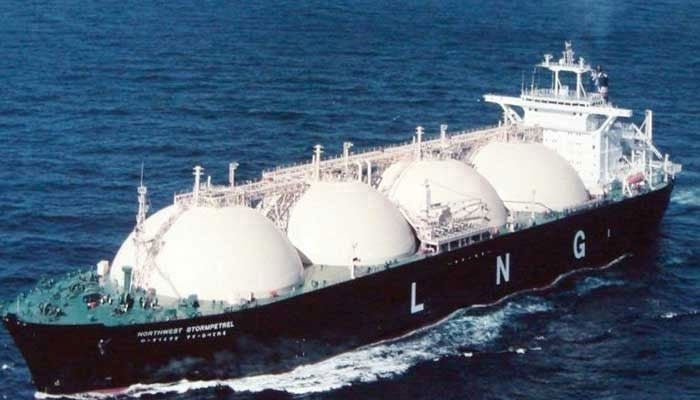
The Qatar LNG production halt amid the escalating Iran conflict has sent shockwaves through global energy markets, removing about 20% of worldwide supply and causing benchmark prices to surge sharply in Asia and Europe.
While most Asian importers scramble for alternatives amid fears of shortages and blackouts, Pakistan stands out as an unexpected beneficiary due to its ongoing domestic LNG glut.
Pakistan, which sources nearly all its LNG from Qatar, relies heavily on these imports. However, persistent oversupply in recent years—driven by weak domestic demand, surging solar adoption, and high contracted volumes—has forced local gas extraction companies to curtail output significantly.
Pakistan’s LNG Glut Turns Delay into Relief Delivery delays from Qatar, triggered by the facility shutdowns at Ras Laffan and Mesaieed plus disrupted shipping through the Strait of Hormuz, could provide breathing room for Pakistan.
The surplus has already led to reduced regasification at terminals and curtailed production from domestic fields, resulting in estimated annual losses of hundreds of millions of dollars for local producers.
Officials plan to ramp up domestic natural gas output and further lower regasification rates to manage the situation. Unlike neighbors such as Bangladesh, which brace for potential power crises similar to post-2022 Ukraine disruptions, Pakistan avoids immediate pressure to chase expensive spot-market cargoes.
Economic and Forex Benefits Emerge The glut has drained Pakistan’s foreign exchange reserves through costly imports amid low consumption. With fewer incoming cargoes in the short term, the country preserves precious forex that would otherwise go toward payments for unneeded volumes.
This temporary reprieve eases strain on the balance of payments and supports efforts to renegotiate or defer long-term Qatar contracts.
Industry sources note that while prolonged conflict risks eventual shortages if domestic production cannot fully compensate, the current delays align with Pakistan’s need to clear excess supply and revive curtailed local fields. The crisis highlights contrasting vulnerabilities across Asia: acute shortages for most, but a rare silver lining for oversupplied Pakistan.