
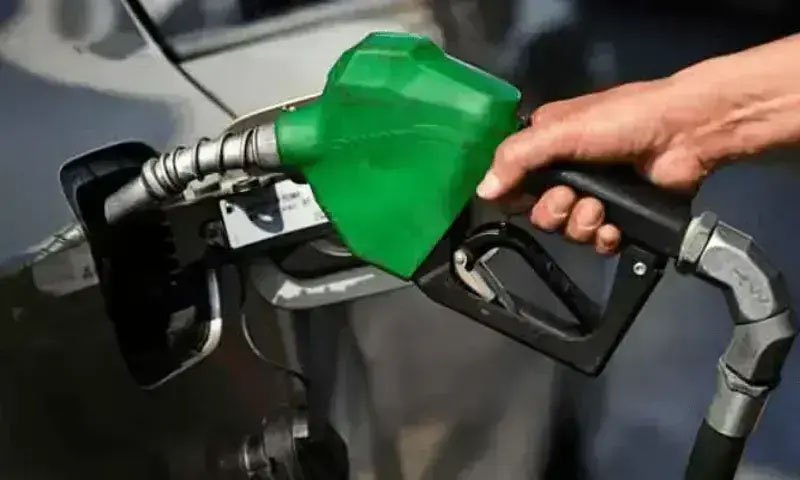
ISLAMABAD: The federal government on Friday reduced the price of petrol by Rs4 per litre while keeping the price of high-speed diesel (HSD) unchanged for the next week, offering modest relief to consumers amid fluctuating international oil prices.
According to a notification issued by the Petroleum Division, the ex-depot price of petrol was cut to Rs377.78 per litre from Rs381.78 per litre. However, the price of HSD remained unchanged at Rs380.78 per litre. The revised rates came into effect from June 6, 2026.
Relief for motorists
The latest reduction follows a major cut announced last week when the government slashed the prices of both petrol and diesel by Rs22 per litre. Petrol is primarily consumed by motorcyclists and owners of private vehicles, making it the most widely used transport fuel in the country. Industry officials said the reduction would provide some relief to urban consumers who have been facing elevated transportation costs in recent months. Demand for petrol has also increased following restrictions on the use of indigenous natural gas in parts of Punjab, prompting many consumers to switch to alternative fuels.
Diesel remains key economic fuel Unlike petrol, high-speed diesel is mainly used by the transport and agriculture sectors, making its price a critical factor in determining freight charges and farm input costs.
Trucks, buses, tractors and agricultural machinery rely heavily on diesel, and any increase in its price generally feeds into inflation through higher transportation expenses.
The government did not provide a detailed explanation for keeping the diesel price unchanged, but market participants linked the decision to ongoing volatility in global energy markets.
Officials said fuel prices would continue to be reviewed periodically in line with international oil trends, exchange rate movements and tax adjustments.
The latest revision reflects the government’s effort to pass on some benefit of changing global oil prices while maintaining fiscal stability and ensuring adequate supplies in the domestic market.