
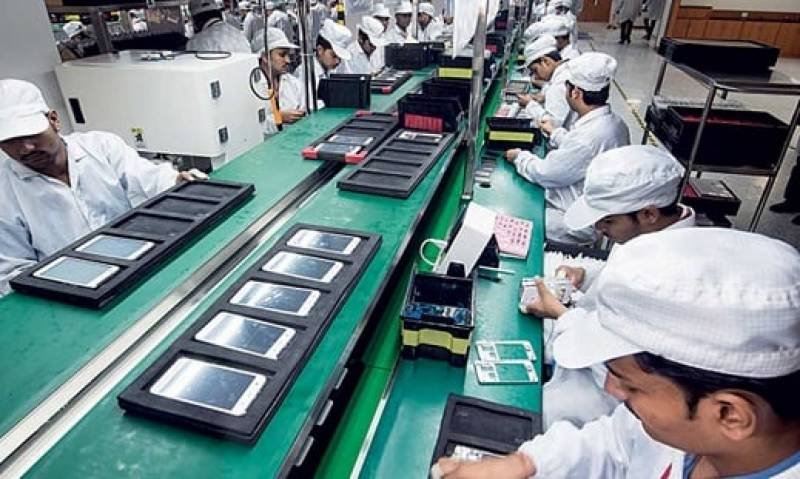
Pakistan’s efforts to strengthen domestic mobile phone manufacturing will depend on deeper localisation, technology transfer and export growth, according to a research brief by PRIME. The proposed Mobile and Electronic Devices Manufacturing Policy 2026–33 seeks to shift the industry beyond basic assembly towards greater domestic production of components and higher-value manufacturing.
The brief cautioned that the policy’s success would depend on effective implementation and reforms to the tax and tariff structure, which continues to favour assembly over domestic manufacturing.
PTA Blocks 100 Million Illegal Devices in FY25
The Pakistan Telecommunication Authority (PTA) blocked approximately 100 million illegal devices during fiscal year 2025, according to the brief. These included nearly 72 million counterfeit mobile phones and 27 million devices with cloned International Mobile Equipment Identity (IMEI) numbers.
The figures highlight the scale of challenges associated with illegal devices and the importance of effective monitoring, registration compliance and enforcement across the mobile phone market.
Strengthening oversight of formal imports, tax collection and device registration violations could also help improve regulatory compliance and support legitimate businesses operating in Pakistan.
PRIME Recommends Uniform 18% Sales Tax on Imported Phones
PRIME recommended replacing the existing 25% sales tax on imported mobile phones priced above $500 with a uniform rate of 18%.
The proposal aims to address distortions in the tax structure and create a more consistent framework for imported devices. Changes to taxation, however, would need to be assessed alongside their implications for government revenue, consumer prices and incentives for domestic production.
The research brief also called for making industry concessions conditional on verifiable performance rather than providing benefits without measurable outcomes.
Proposed Policy Emphasises Localisation and Technology Transfer
The proposed Mobile and Electronic Devices Manufacturing Policy 2026–33 places greater emphasis on domestic component production, technology transfer and exports.
Under the proposed framework, firms would face penalties for failing to meet localisation targets. The approach seeks to encourage manufacturers to move beyond assembling imported components and develop stronger domestic production capabilities.
Greater local value addition could help build industrial expertise, strengthen supply chains and create opportunities for Pakistani manufacturers to participate in regional and international markets.
Industry Incentives Linked to Measurable Performance
PRIME recommended linking concessions for manufacturers to verifiable plant-level value addition, production and export performance.
Such conditions could help policymakers assess whether incentives are generating meaningful industrial development rather than primarily supporting assembly operations.
The brief also highlighted the need to monitor formal imports, tax collection and registration violations to improve transparency and accountability across the sector.
Tax and Tariff Reforms Critical to Policy Success
The research brief stressed that implementation would be central to the policy’s effectiveness. Tax and tariff distortions that make assembly more attractive than domestic manufacturing could undermine efforts to increase local component production.
A stronger manufacturing framework would therefore require consistent policy implementation, transparent eligibility criteria for incentives and measurable targets for localisation and exports.
Pakistan’s ability to develop a more competitive mobile manufacturing industry will depend on aligning fiscal incentives with genuine investment, technology transfer and higher domestic value addition.