
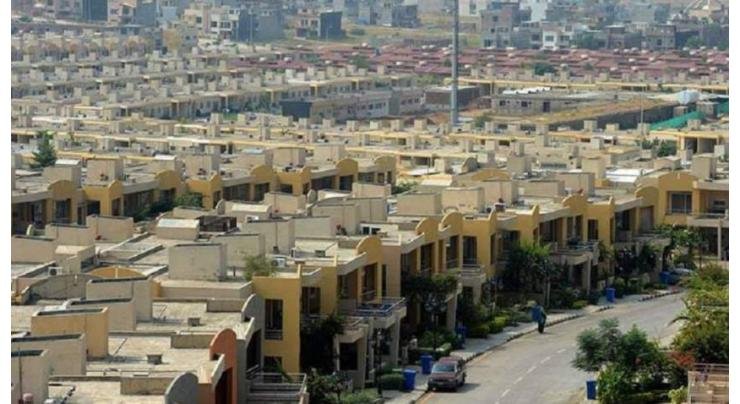
Experts at a recent seminar highlighted Pakistan’s acute housing crisis, with a shortage of 9–10 million units driven by rapid population growth and urbanization. Nearly half of the urban population now resides in slums and informal settlements, particularly affecting low- and middle-income groups. Affordability issues, weak housing finance, regulatory gaps, and climate vulnerabilities exacerbate the problem, turning housing—a basic human right—into an unattainable goal for millions.
Read More: https://theboardroompk.com/new-motorway-to-slash-lahore-islamabad-distance-by-100-km/
New Policy Framework Offers Hope The National Housing Policy 2025, currently in its final draft and set for federal cabinet approval, aims to address these challenges. Initiated on the Prime Minister’s directive to update the outdated 2001 policy, it was developed through extensive multi-stakeholder consultations involving academia, urban authorities, civil society, and international partners like UN-Habitat, the World Bank, and JICA. The policy features nine thematic pillars: land for housing, intermediate city development, housing finance, construction services, slum rehabilitation, low-cost and green housing, institutional frameworks, and capacity building.
Key strategies include land banking, land pooling, and transit-oriented development to curb urban sprawl and protect farmland. With Pakistan’s mortgage-to-GDP ratio at just 0.3%—far below global benchmarks—the policy emphasizes inclusive finance expansion, rental improvements, and corporate involvement. Organized by the Pakistan Institute of Development Economics (PIDE), the seminar stressed coordinated federal-provincial efforts post-18th Amendment to deliver affordable, sustainable shelter.