
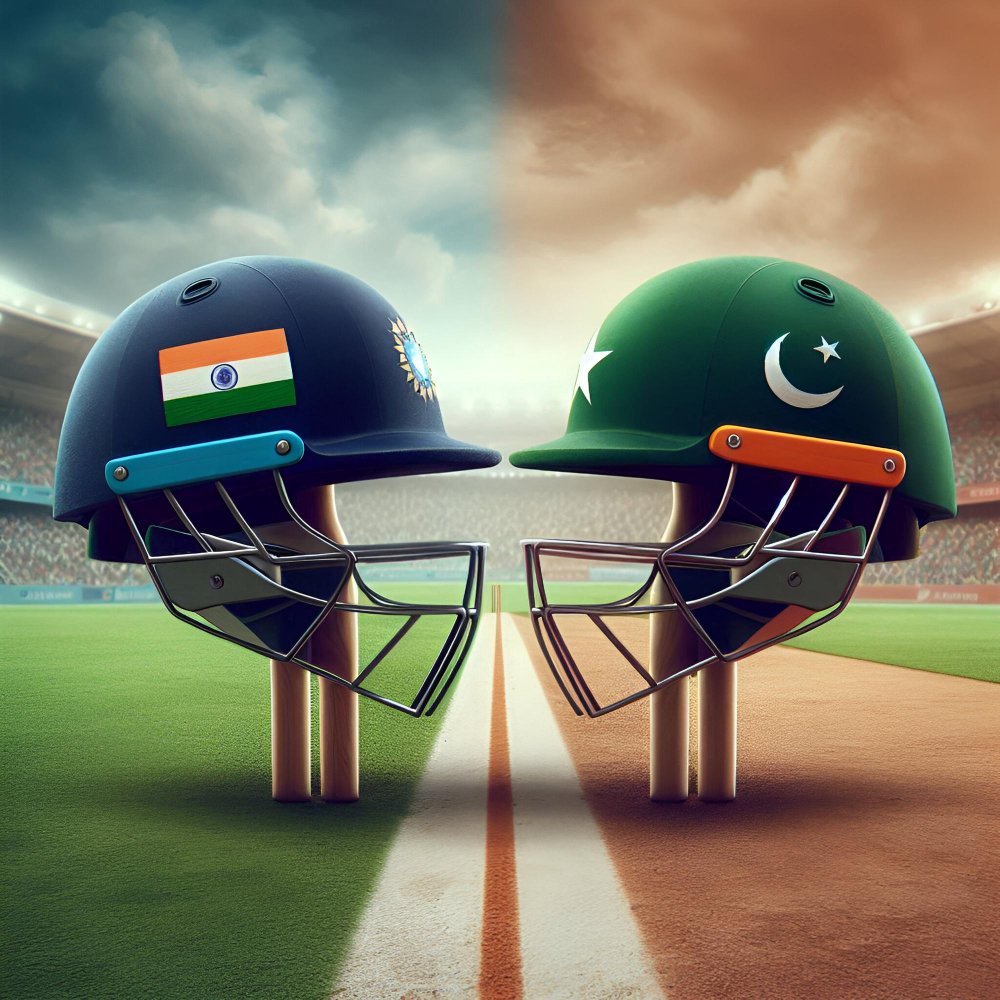
The Pakistan vs India T20 World Cup match is no longer just a fixture on a tournament schedule it has become a powerful symbol of regional diplomacy, economic interests, and the future of global cricket. After weeks of uncertainty, Pakistan has reportedly agreed to play its highly anticipated T20 World Cup clash against India on February 15, following coordinated appeals from Sri Lanka and Bangladesh and the acceptance of Pakistan’s stated preconditions by India.
The announcement, confirmed by state-run Pakistan Television, has ignited intense debate across South Asia, drawing attention not only from cricket fans but also policymakers, broadcasters, and international sports stakeholders.
Why the Pakistan vs India T20 World Cup Match Matters to the Global Cricket Economy
The Pakistan vs India T20 World Cup match is widely regarded as the most commercially valuable contest in world cricket. Broadcasters, advertisers, host nations, and the International Cricket Council (ICC) all have major financial stakes tied to this single encounter.
Historically, whenever Pakistan and India face off in ICC tournaments, global viewership surges into the hundreds of millions. Advertising slots command premium rates, sponsorship values spike, and host countries experience a noticeable boost in tourism and hospitality revenues. In simple terms, this match alone can generate more economic impact than several tournament fixtures combined.
Diplomatic Push Behind the Pakistan vs India T20 World Cup Match
Sri Lanka’s Strategic Appeal
Sri Lankan President Anura Kumara Dissanayake personally urged Pakistan to reconsider its earlier stance during a phone call with Prime Minister Shehbaz Sharif. He highlighted Pakistan’s unwavering support for Sri Lankan cricket during years of internal security challenges, emphasizing that cricketing solidarity should transcend political turbulence.
Prime Minister Shehbaz Sharif acknowledged Sri Lanka’s consistent support, particularly Colombo’s decision not to cancel recent tours to Pakistan a move widely praised by cricket fans and analysts alike.
Bangladesh’s Brotherhood Message
The Bangladesh Cricket Board (BCB) also played a pivotal role. BCB President Aminul Islam, following a brief visit to Pakistan, publicly appealed for Pakistan’s participation in the February 15 fixture, citing the broader “cricket ecosystem.”
Bangladesh formally thanked the Pakistan Cricket Board (PCB), Chairman Mohsin Naqvi, and Pakistani fans for their solidarity, describing Pakistan’s stance as an example of “exemplary sportsmanship.”
ICC Involvement and High-Level Consultations
Adding further weight to the situation, a delegation from the International Cricket Council (ICC) arrived in Pakistan and held direct meetings with PCB Chairman Mohsin Naqvi. These discussions focused on logistical, security, and commercial implications of Pakistan’s participation in the Pakistan vs India T20 World Cup match.
According to insiders, the ICC made it clear that a boycott could disrupt tournament planning, revenue projections, and long-term scheduling confidence among host nations.
What Changed Pakistan’s Position?
Earlier, Pakistan had made it clear that while it would participate in the T20 World Cup 2026, it would not play India in Colombo. This position emerged amid broader geopolitical tensions and following Bangladesh’s refusal to tour India due to security concerns a decision that reshaped tournament groupings and heightened sensitivities.
However, Sri Lanka Cricket warned that a Pakistan boycott could lead to substantial financial losses and negatively impact Sri Lanka’s tourism sector, which is still recovering from the 2022 economic crisis. These economic realities, combined with diplomatic outreach, appear to have influenced Pakistan’s reconsideration.
Pakistan vs India T20 World Cup Match: A Rare Rivalry
Pakistan and India have not played bilateral cricket for over a decade, meeting only during ICC and regional tournaments. This scarcity has only intensified the rivalry, transforming each encounter into a global spectacle loaded with emotion, history, and geopolitical subtext.
For fans, February 15 now represents more than just another T20 match it is a moment where sport briefly bridges political divides.
What February 15 Could Mean for the Future
If played, the Pakistan vs India T20 World Cup match could set a precedent for future cooperation within international cricket. While bilateral series may still remain distant, this decision reinforces the idea that global tournaments can serve as neutral platforms for engagement.
For the ICC, it strengthens the case for cricket as a unifying force. For host nations, it safeguards economic stability. And for fans, it restores a rivalry that defines modern cricket.