
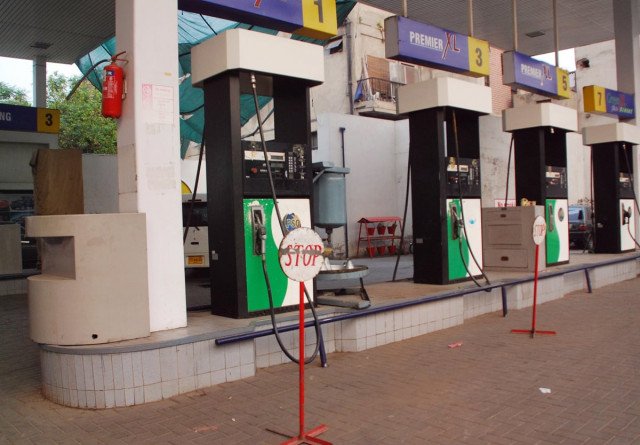
The government has reaffirmed its commitment to strengthening Pakistan energy security, attracting investment and improving transparency in the petroleum sector as it shifts its focus towards sustainable economic growth.
Speaking at a corner meeting in Lahore, Petroleum Minister Ali Pervaiz Malik said Pakistan’s next major destination after achieving important strategic and diplomatic successes was sustainable economic progress, according to a government press release.
The minister said the government remained focused on delivering maximum relief to the public despite limited financial resources. He added that the administration was working to improve transparency and accountability across the petroleum sector while ensuring that consumers receive greater clarity about fuel pricing.
Malik highlighted the petroleum pricing mechanism introduced under Prime Minister Shehbaz Sharif, describing it as a transparent system designed to provide the public with access to pricing information.
According to the minister, all calculations related to petroleum prices are available on the website of the Oil and Gas Regulatory Authority (OGRA), allowing consumers and other stakeholders to review the factors used to determine fuel prices.
The government has faced growing public attention over changes in petrol and high-speed diesel prices, particularly as fluctuations in international oil markets continue to influence domestic fuel costs.
Petroleum Sector To Remain Key Investment Area
The petroleum sector remains a critical part of Pakistan’s economy because the country relies heavily on imported energy to meet domestic fuel requirements.
Malik said the government wanted to strengthen energy security while creating an environment capable of attracting investment into the sector. Greater investment could help improve infrastructure, enhance supply reliability and support long-term economic activity.
The minister’s comments come as Pakistan continues to deal with pressure on its external account and energy import requirements. Improving transparency in petroleum pricing is also aimed at strengthening public confidence in government decisions concerning fuel prices.
The government has repeatedly emphasised the importance of reducing economic vulnerabilities and improving the efficiency of the energy sector as part of its broader economic reform agenda.
Minister Highlights Makkah Joint Defense Agreement
During his address, Malik also discussed Pakistan’s recent diplomatic and strategic developments, particularly the Makkah Joint Defense Agreement involving Pakistan, Saudi Arabia and Türkiye.
He described the agreement as a major success and said the combined strengths of the three countries could open a new chapter of regional cooperation.
According to the minister, Saudi Arabia’s economic strength, Türkiye’s defence industry and the expertise of the Pakistan Army could contribute to greater regional cooperation while promoting peace and security.
Saudi Arabia, Pakistan and Türkiye signed the Makkah Joint Defense Agreement on Friday, establishing a trilateral security framework aimed at strengthening collective defence and regional stability.
The agreement comes amid heightened tensions across the region, including security threats affecting Gulf countries and disruptions to energy shipments.
The development has also increased attention on regional energy security because Saudi Arabia and other Gulf states remain among the world’s major oil producers and exporters.
Regional Cooperation And Energy Security
The agreement between the three countries could have broader implications beyond defence, particularly given the strategic importance of the Middle East and South Asia’s energy supply chains.
For Pakistan, stronger relations with Saudi Arabia and Türkiye could support wider economic and diplomatic cooperation. Saudi Arabia remains an important economic partner for Pakistan, while Türkiye has maintained close political and defence ties with Islamabad.
Malik linked the country’s diplomatic achievements with the government’s broader economic objectives, suggesting that Pakistan now needs to translate strategic gains into sustainable economic progress.
The petroleum minister’s remarks underline the government’s intention to keep energy security at the centre of its economic strategy.
Pakistan’s ability to maintain reliable energy supplies, attract investment and provide transparent pricing will remain important for businesses and consumers. The government is also expected to face continued pressure to balance public relief with the rising costs associated with imported energy.
With global energy markets remaining vulnerable to geopolitical tensions, officials have stressed the need for stronger energy security and greater resilience in the petroleum supply chain.
The government has therefore positioned investment, transparency and regional cooperation as key elements of its strategy to strengthen Pakistan’s energy sector and support sustainable economic growth.