
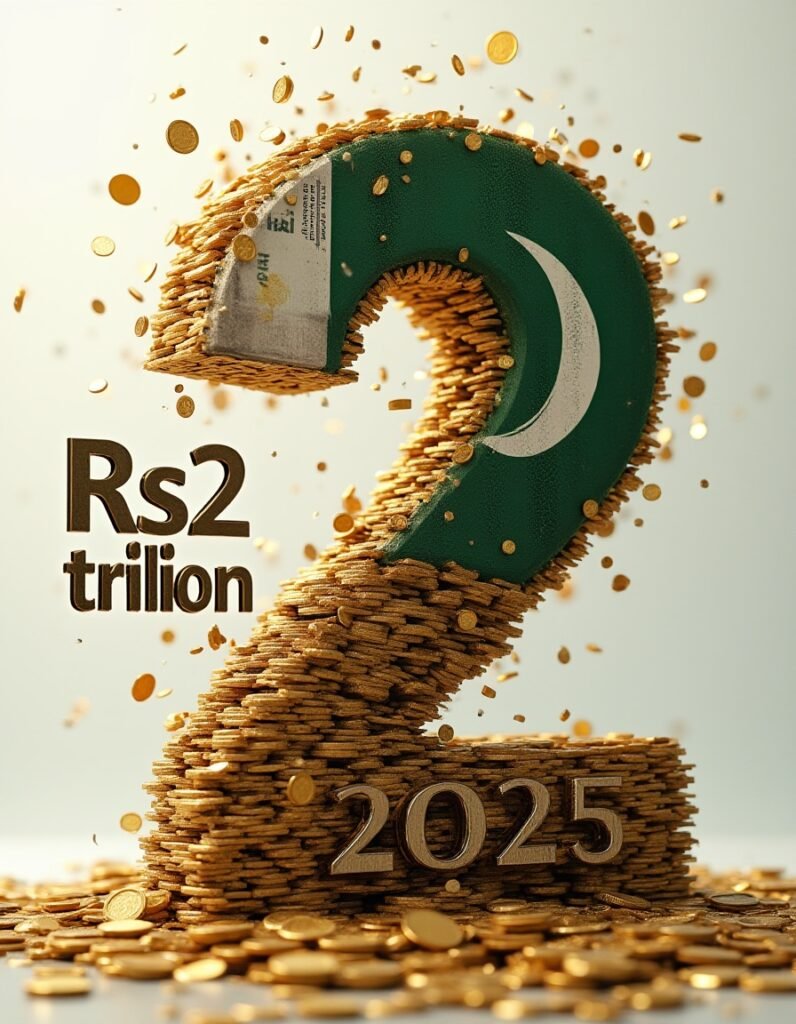
ISLAMABAD: Pakistan’s government raised a record over Rs2 trillion through domestic Sukuk issuances in 2025, marking the highest annual volume since the introduction of Islamic bonds in 2008 and underscoring the rapid deepening of the country’s Islamic capital market.
The milestone was highlighted by Adviser to the Finance Minister Khurram Shehzad, who said in a post on X that the Ministry of Finance (MoF) had set a historic record in Sukuk issuance during the year, describing it as a landmark breakthrough for Islamic finance in Pakistan.
Read More: https://theboardroompk.com/pakistan-railways-transports-8-2-million-tonnes-freight-in-fy-2024-25/
According to details shared by the MoF, the record issuance was executed through the Debt Management Office in collaboration with Joint Financial Advisors (JFAs). During 2025, the government conducted 61 Sukuk issuances across a diversified maturity profile, including one-year, three-year, five-year and ten-year tenors, structured under both fixed rate return (FRR) and variable rate return (VRR) formats.
The total Sukuk issuance exceeded Rs2 trillion during the calendar year, while overall Shariah-compliant issuance reached Rs2.5 trillion, reflecting robust demand from Islamic banks, conventional banks with Islamic windows, mutual funds, and other institutional investors.
A defining feature of 2025 was the successful launch of Pakistan’s first-ever Green Sukuk, which was oversubscribed by 5.4 times, signalling strong investor appetite for sustainable and climate-aligned instruments. The underlying assets supporting the Green Sukuk cashflows included key public-sector and infrastructure entities such as Pakistan Railways, the Trade Development Authority of Pakistan (TDAP), National Highway Authority (NHA), Capital Development Authority (CDA), Pakistan Airports Authority (PAA), Pakistan Sports Board (PSB), and Karachi Port Trust (KPT).
The scale of Sukuk activity over recent years highlights the growing depth of Pakistan’s Islamic debt market. Between 2019 and 2025, total Sukuk issuance amounted to Rs8.7 trillion. As of end-2025, outstanding Sukuk stood at around Rs6.6 trillion, while total outstanding Shariah-compliant instruments reached approximately Rs7.1 trillion.
The expanding use of Islamic instruments has also increased their share in the government’s domestic securities portfolio. By December 2025, Shariah-compliant instruments accounted for around 14.5 per cent of total government securities, up from 12.6 per cent in June 2025. The Ministry of Finance has set a strategic target to raise this share to 20 per cent by FY28.
Officials say the rising proportion of Islamic instruments reflects sustained investor confidence, improved market infrastructure, and more sophisticated sovereign debt management. It also supports diversification of funding sources at a time when fiscal discipline and domestic resource mobilisation remain central to macroeconomic stability.
The MoF noted that the strong momentum in Sukuk issuance demonstrates its commitment to expanding Shariah-compliant financing options while maintaining prudent debt management practices. By broadening the investor base and extending the maturity profile of domestic debt, the government aims to reduce refinancing risks and enhance fiscal sustainability.
Looking ahead, with a stabilising macroeconomic outlook, a disciplined debt strategy, and a clear roadmap for Islamic finance, Pakistan appears positioned to further strengthen its government securities market, making it more resilient, diversified, and aligned with long-term growth objectives.