
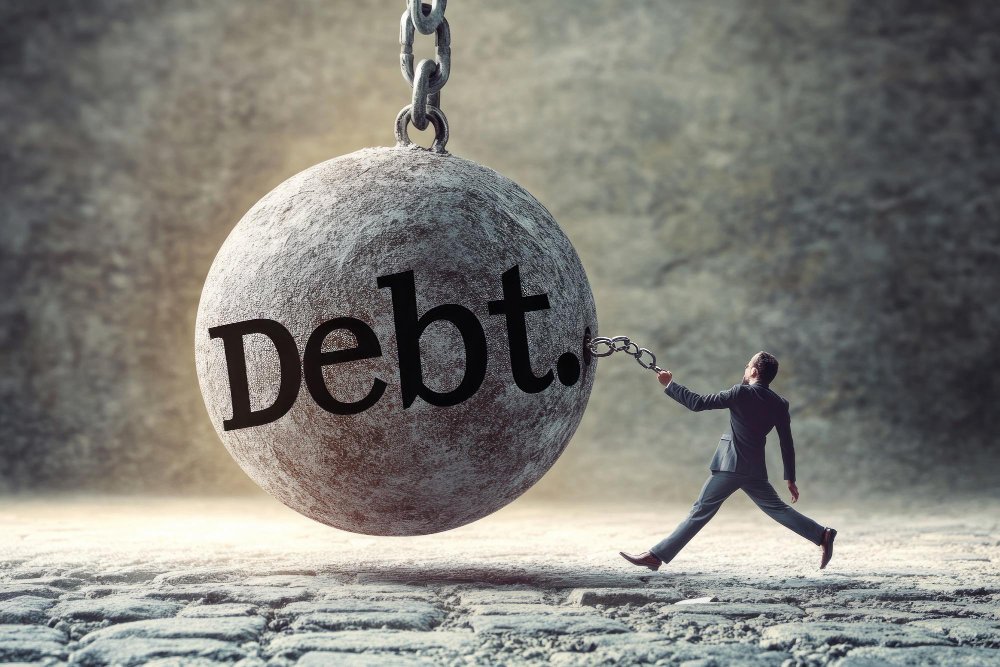
Pakistan Public Debt has entered alarming territory. By June 2025, the country’s total public debt surged to Rs80.5 trillion, up sharply from Rs71.2 trillion just a year earlier, according to the Ministry of Finance’s Fiscal Policy Statement tabled in Parliament. Even more striking is what this means at an individual level: every Pakistani now carries a debt burden of Rs333,041, a jump of nearly Rs39,000 in just one year.
This rapid escalation is not just a statistic buried in government documents it’s a signal flare for investors, businesses, and households trying to understand where the economy is heading.
Pakistan Public Debt and GDP: A Dangerous Climb
One of the most closely watched indicators, the debt-to-GDP ratio, paints an equally concerning picture. Pakistan Public Debt rose from 67.6% of GDP in June 2024 to 70.7% in June 2025, crossing levels that economists often associate with fiscal stress.
The Ministry of Finance described debt dynamics as a “continuing challenge,” driven largely by high interest payments, exchange-rate fluctuations, and borrowing beyond legally permitted limits. In simple terms, Pakistan is spending more than it earns and financing the gap with expensive debt.
Fiscal Deficit Breach: When Laws Meet Reality
Pakistan Public Debt and the Fiscal Deficit Connection
For FY25, the federal fiscal deficit clocked in at 6.2% of GDP, far exceeding the 3.5% statutory ceiling. This translates into Rs3.1 trillion in excess spending, or 2.7% of GDP beyond what the law allows.
While laws exist to keep fiscal discipline in check, the numbers suggest that economic pressures and policy choices are pushing the government beyond those guardrails.
Where the Money Went: Breaking Down Federal Spending
Instead of looking at this as a table of numbers, the story becomes clearer when broken down:
• Total federal expenditure was budgeted at Rs18.9 trillion
• Current expenditure was planned at Rs17.2 trillion, but actual spending came in lower at Rs15.8 trillion
• Development spending, including net lending, reached Rs1.4 trillion, falling short of the Rs1.7 trillion target
The biggest slice of spending went to interest payments, which totaled Rs8.8 trillion. Although this was lower than the Rs9.8 trillion budgeted, thanks to a policy rate cut by the State Bank of Pakistan, it still consumed a massive portion of government resources.
Defence spending edged higher than planned at Rs2.2 trillion, while subsidies stood at Rs1.3 trillion and pension payments reached Rs911 billion.
Revenue Reality Check: Can Pakistan Grow Out of Debt?
On the revenue side, the picture is mixed:
• Tax collection reached Rs11.7 trillion, achieving 90.5% of the Rs13 trillion target
• Non-tax revenues outperformed expectations, climbing to Rs5.1 trillion, or 104% of estimates
This unexpected boost came largely from higher petroleum levy collections and profits transferred by the State Bank of Pakistan. These inflows helped cushion the blow—but they are not guaranteed long-term solutions.
Pakistan Public Debt and Provincial Relief
Interestingly, when provincial finances are included, the overall fiscal deficit improved. The total fiscal deficit settled at 5.4% of GDP, better than the budgeted 5.9%, supported by provincial cash surpluses, SBP profits, and petroleum levy receipts.
This suggests that while federal finances remain under strain, provincial discipline played a stabilizing role.
What Comes Next for Pakistan Public Debt?
The Ministry of Finance reiterated that its medium-term debt management strategy focuses on:
• Reducing financing needs
• Extending debt maturities
• Diversifying funding sources
These steps are critical, but analysts warn that without sustained revenue reforms and controlled spending, Pakistan Public Debt could continue its upward march raising borrowing costs and limiting economic growth.
Why This Matters Now
For businesses, investors, and ordinary citizens, Pakistan Public Debt is no longer an abstract concept. It affects inflation, taxes, interest rates, and future development spending. The key question is whether Pakistan can turn fiscal stress into an opportunity for reform or whether debt will keep tightening its grip on the economy.