
Pakistan Gemstones Sector Policy has taken a major step forward as the federal government granted in-principle approval to a comprehensive National Policy Framework aimed at reforming the country’s gemstone industry and aligning it with international standards. The approval marks a strategic push to unlock Pakistan’s vast yet underutilized gemstone potential and integrate the sector into the national economy.
The framework comes with clear directions to implement all assigned actions within the current year, reflecting the government’s urgency to convert natural resource wealth into sustainable economic growth.
Pakistan Gemstones Sector Policy and Strategic Vision
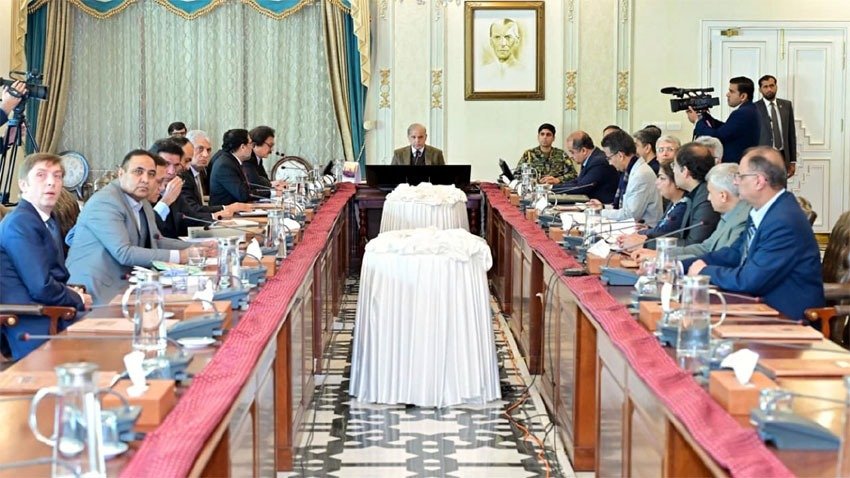
Chairing a high-level meeting in Islamabad, Prime Minister Muhammad Shehbaz Sharif emphasized that Pakistan possesses significant gemstone reserves but lacks systematic exploration, valuation, and commercialization. He stressed the importance of priority-based geological surveys to accurately identify the location, quality, and commercial value of gemstone resources across the country.
The prime minister underlined that the Pakistan Gemstones Sector Policy must be implemented through broad-based consultations involving relevant institutions, provincial governments, and industry stakeholders to ensure inclusive and effective reforms.
International Standards and Certification Under Pakistan Gemstones Sector Policy
A core pillar of the Pakistan Gemstones Sector Policy is the immediate establishment of international-standard gemstone laboratories and certification systems. These facilities will enable Pakistan to meet global quality benchmarks, improve credibility in international markets, and reduce reliance on foreign certification services.
Alongside certification reforms, the government aims to create a conducive environment for foreign investment, positioning Pakistan as a competitive destination for global gemstone traders, processors, and iinvestors.
Centers of Excellence to Drive Value Addition
Despite having abundant gemstone reserves, Pakistan’s gemstone exports remain negligible. To address this imbalance, the prime minister directed that two model Centers of Excellence for gemstones be established during the current year.
These centers will serve as hubs for:
• Advanced gemstone processing and cutting
• Skill development and technical training
• Research and innovation using modern technology
The policy also emphasizes encouraging private-sector participation, with a special focus on young entrepreneurs, to inject innovation and competitiveness into the industry.
Pakistan Gemstones Sector Policy Targets $1 Billion Exports
The Ministry of Industries and Commerce informed the meeting that key structural issues have been identified and priority policy measures finalized. Through phased reforms over the next five years, the Pakistan Gemstones Sector Policy aims to achieve an ambitious $1 billion export target.
For the current year, the framework prioritizes:
• Integration of the entire gemstone value chain into the national economy
• Promotion of value addition through in-country processing instead of raw exports
• Adoption of modern mining and processing technologies
• Launch of private-sector-led training programs
• Introduction of the “Brand Pakistan” initiative to strengthen global recognition
Rather than exporting raw stones at minimal value, the policy seeks to retain economic gains within Pakistan by focusing on finished and semi-finished gemstone products.
Financial Support for Pakistan Gemstones Sector Policy Implementation
To ensure smooth execution, Prime Minister Shehbaz Sharif directed the Ministry of Finance to immediately release available financial resources for the development of the gemstones sector. Timely funding will be critical for infrastructure development, training initiatives, laboratory setup, and policy enforcement.
Why Pakistan Gemstones Sector Policy Matters for the Economy
The Pakistan Gemstones Sector Policy represents more than just an industrial reform it is a strategic move to diversify exports, attract foreign investment, create skilled jobs, and enhance Pakistan’s global trade profile. If implemented effectively, the policy could transform a historically neglected sector into a high-value export industry aligned with international best practices.