
Pakistan Invites Saudi Energy Working Group to Explore Power Sector Investment
Pakistan has invited the Kingdom of Saudi Arabia’s Energy Working Group to visit the country and explore investment opportunities in the power sector, including transmission infrastructure, smart utility technologies and digitalization, as both countries moved to deepen cooperation in the energy sector.
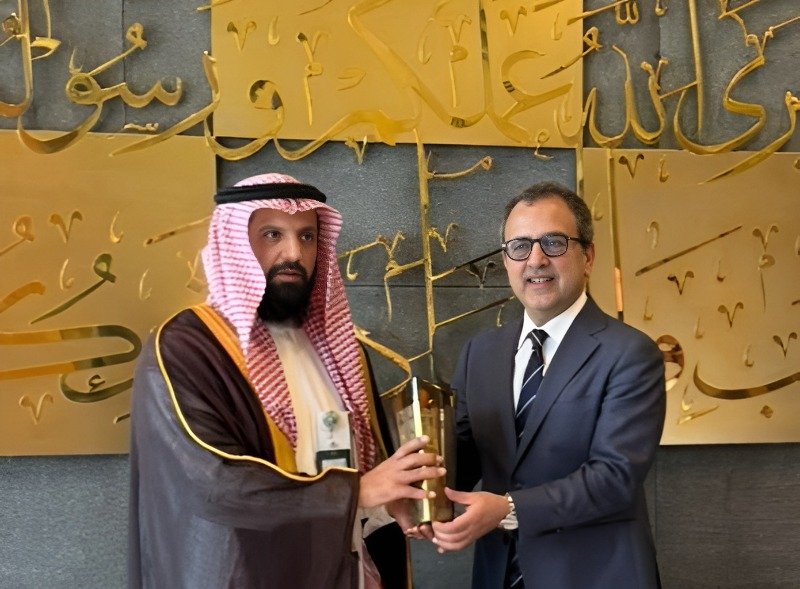
The invitation was extended during high-level discussions between a Pakistani delegation led by Minister for Energy (Power Division) Sardar Awais Ahmad Khan Leghari and senior Saudi energy officials in Riyadh, where both sides reaffirmed their commitment to expanding bilateral collaboration and promoting long-term investment in Pakistan’s energy sector.
The discussions took place during the meeting of the Joint Working Group on Energy, where the Pakistani delegation met Eng. Nasser Al-Qahtani, Assistant Minister of Energy for Electricity Affairs.
The broader talks were also attended by Mohammed Alibrahim, Assistant Minister of Energy for Oil and Gas, and Majed Aloutaibi, Deputy Minister for Oil and Gas, reflecting the importance both governments attach to strengthening energy cooperation.
Pakistan Presents Saudi Energy Investment Opportunities
During the meeting, Pakistan presented a wide range of Pakistan Saudi energy investment opportunities, highlighting the country’s growing demand for modern electricity infrastructure and the significant role foreign investors can play in supporting the sector’s transformation.
Minister Leghari told the Saudi delegation that Pakistan is seeking strategic partnerships to modernize its power sector, particularly through investments in transmission infrastructure needed to accommodate rising electricity demand and improve the reliability of the national grid.
He explained that expanding and upgrading Pakistan’s transmission network remains a key priority as the country works to enhance electricity delivery, integrate new generation capacity and reduce bottlenecks that affect power transmission across the country.
Smart Metering and AMI Drive Power Sector Digitalization
The minister also highlighted Pakistan’s ongoing digital transformation of the power sector, describing it as one of the government’s most significant reform initiatives.
A major focus of the discussions was the nationwide rollout of Smart Metering and Advanced Metering Infrastructure (AMI) across electricity distribution companies.
According to the minister, these technologies are expected to play a critical role in improving the efficiency of Pakistan’s power distribution system by reducing technical and commercial losses, strengthening monitoring capabilities and enhancing customer services.
Smart metering allows utilities to monitor electricity consumption in real time, improve billing accuracy, detect theft more effectively and respond faster to outages and operational issues.
The deployment of Advanced Metering Infrastructure is also expected to support better demand management, improve energy planning and enable utilities to make more informed operational decisions using digital data.
Minister Leghari said these reforms form part of the government’s broader strategy to build a modern, technology-driven electricity sector capable of meeting future energy demands while improving financial sustainability.
Pakistan Strengthens Reforms to Attract Private Investment
He outlined the government’s comprehensive reform agenda, which focuses on increasing operational efficiency, strengthening institutional governance, accelerating digital transformation and improving the overall financial health of Pakistan’s power sector.
The minister emphasized that creating an attractive environment for private investment remains a central objective of the government’s energy policy.
He said Pakistan is implementing reforms designed to improve transparency, strengthen governance and encourage greater participation by domestic and international investors in energy infrastructure projects.
The Pakistani delegation assured the Saudi side that the government would provide full support and facilitation to Saudi investors interested in participating in Pakistan’s energy sector.
Officials said the government remains committed to simplifying investment procedures and providing an enabling regulatory environment to attract long-term strategic partnerships.
Pakistan and Saudi Arabia Expand Energy Cooperation
The invitation for the Saudi Energy Working Group to visit Pakistan is expected to provide Saudi officials and potential investors with an opportunity to assess investment prospects firsthand, engage with relevant stakeholders and identify projects suitable for collaboration.
Potential areas of cooperation include electricity transmission expansion, grid modernization, smart metering technologies, digital utility management systems and other advanced power sector solutions.
Both delegations expressed satisfaction with the progress made in bilateral energy cooperation and reaffirmed their commitment to maintaining close coordination through the Joint Working Group on Energy.
They agreed to continue technical engagement and transform the discussions into concrete investment projects that benefit both countries.
Officials from both sides noted that enhanced cooperation in the energy sector would contribute not only to sustainable economic growth but also to improved energy security and stronger regional partnerships.
Pakistan continues to pursue foreign investment as part of its broader economic reform agenda, with the power sector identified as one of the country’s priority areas for international collaboration.
Outlook: Saudi Energy Investment Could Accelerate Pakistan’s Grid Modernization
The latest Pakistan Saudi energy investment initiative reflects Islamabad’s efforts to attract strategic partners capable of supporting the modernization of critical infrastructure while helping improve efficiency, reduce system losses and accelerate the adoption of advanced technologies.
If translated into concrete projects, the proposed cooperation could strengthen Pakistan’s electricity transmission network, advance digitalization across the power sector and deepen the strategic economic partnership between Pakistan and Saudi Arabia, while supporting the country’s long-term goals of sustainable development and energy security.