
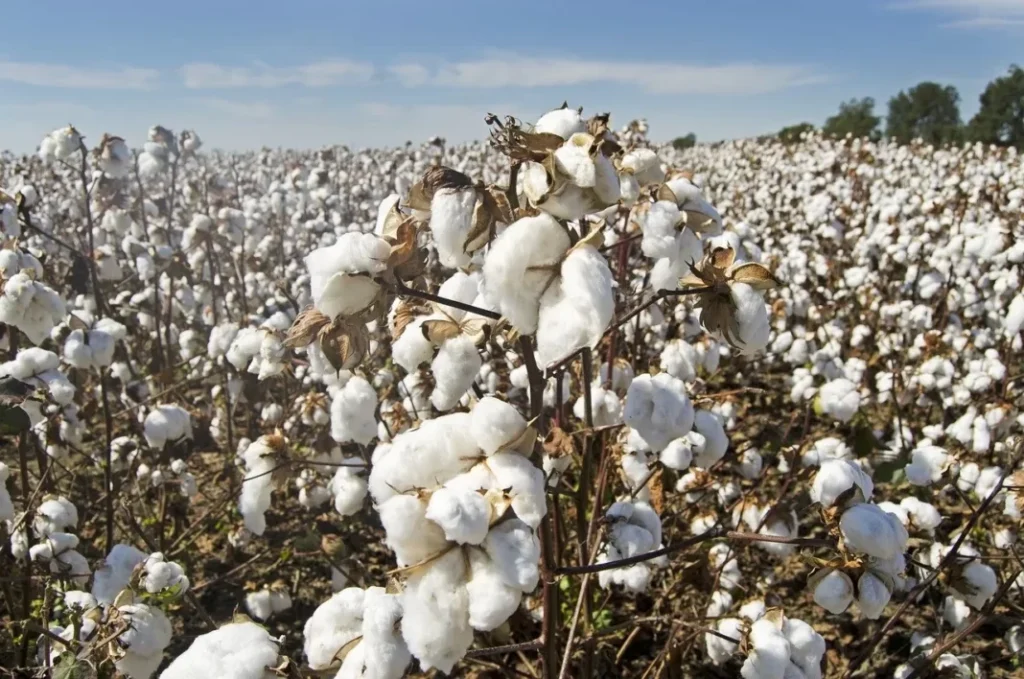
Pakistan Cotton Arrivals 2026 have crossed an important milestone, offering fresh signals about the country’s agricultural and textile landscape. As of February 28, 2026, seed cotton arrivals at ginning factories have surpassed 5.6 million bales, reaching a total of 5,607,433 bales. This reflects a modest yet noteworthy 1.5% year-on-year increase, hinting at gradual recovery and resilience in the cotton sector.
Data released by the Pakistan Cotton Ginners Association reveals that the majority of this cotton over 5.58 million bales has already been processed into pressed cotton, indicating strong operational efficiency across ginning units.
Regional Breakdown of Pakistan Cotton Arrivals 2026
A closer look at Pakistan Cotton Arrivals 2026 reveals a shifting regional dynamic between Punjab and Sindh two of the country’s key cotton-producing provinces.
Punjab contributed approximately 2.69 million bales, showing a slight decline of 0.92% compared to last year. This dip suggests localized challenges, possibly linked to weather patterns or crop conditions.
In contrast, Sindh demonstrated stronger momentum, delivering over 2.91 million bales, marking a 3.84% increase year-on-year. This growth underscores Sindh’s rising importance in Pakistan’s cotton supply chain.
At the district level, performance highlights further illustrate regional strengths:
• Sanghar (Sindh) emerged as the top contributor with over 1.28 million bales
• Bahawalnagar (Punjab) followed with 769,358 bales
• Bahawalpur (Punjab) contributed 417,550 bales
These figures show how localized agricultural productivity continues to shape national output trends.
Strong Demand Fuels Market Activity
Pakistan Cotton Arrivals 2026 are not just about production they also reflect robust market demand. Out of the total arrivals, more than 5.36 million bales have already been sold.
The breakdown of buyers reveals a clear trend:
Textile mills remain the dominant force, purchasing approximately 5.18 million bales, while exporters accounted for 177,600 bales. This indicates that domestic consumption continues to drive the cotton market, supported by Pakistan’s large textile manufacturing base.
With only 242,330 bales remaining as unsold stock, the data signals healthy liquidity and strong demand across the value chain.
Operational Efficiency Across Ginning Factories
Another key highlight of Pakistan Cotton Arrivals 2026 is the smooth functioning of ginning operations. During the latest reporting period, 71 ginning factories were active nationwide.
The distribution of these facilities further reflects regional dominance:
• Punjab: 67 operational factories
• Sindh: 4 operational factories
Despite the disparity in numbers, both provinces have maintained steady processing rates, ensuring minimal disruption in supply flow.
What Pakistan Cotton Arrivals 2026 Mean for the Industry
The latest data on Pakistan Cotton Arrivals 2026 paints a picture of cautious optimism. While overall growth remains modest, several underlying factors stand out:
• Increasing efficiency in cotton processing
• Strong domestic demand from textile manufacturers
• Regional shifts favoring Sindh’s production growth
• Low unsold inventory, indicating market stability
For stakeholders from farmers to exporters these trends suggest a relatively stable outlook, though challenges in certain regions like Punjab may need targeted policy and agricultural support.
Pakistan Cotton Arrivals 2026 highlight a sector that is steadily navigating economic and environmental pressures. The balance between modest growth and strong demand reflects resilience, while regional variations point to evolving agricultural dynamics.
As Pakistan’s textile industry continues to anchor the economy, cotton arrivals will remain a critical indicator to watch one that not only measures crop output but also signals the broader health of the country’s industrial backbone.