
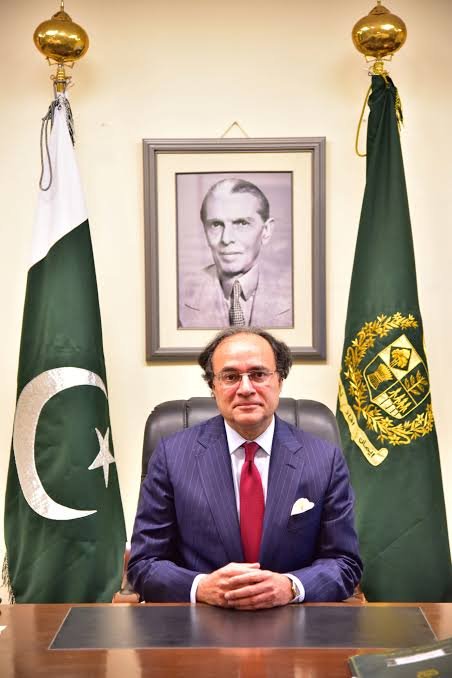
The Pakistan Business Council (PBC) has presented an export acceleration strategy to Finance Minister Muhammad Aurangzeb, targeting up to $1.9 billion in additional exports over the next 12 months. The proposal focuses on value-added manufacturing, policy stability, and stronger public-private collaboration to boost Pakistan’s export competitiveness and foreign exchange earnings.
ISLAMABAD: The Pakistan Business Council (PBC) has presented an ambitious export acceleration plan to Finance Minister Muhammad Aurangzeb, outlining a roadmap to generate between $1.1 billion and $1.9 billion in additional exports over the next 12 months.
The proposal was discussed during a meeting held on Monday as part of consultations for Pakistan’s next budget and medium-term economic strategy.
PBC Targets Up to $1.9 Billion in Additional Exports
According to the Pakistan Business Council, the proposed strategy aims to generate between $450 million and $700 million in additional exports during the first half of FY2026-27, with total incremental exports reaching as much as $1.9 billion within one year.
The council believes the target can be achieved through timely policy reforms, improved market access, enhanced competitiveness, and stronger support for export-oriented industries.
Brand Pakistan Strategy Focuses on Value-Added Exports
The presentation was led by PBC Chairperson Dr. Zeelaf Munir, who emphasized the need for Pakistan to shift from commodity-based exports toward higher-value, brand-driven products.
She said the country’s export strategy should focus on building a stronger global identity for Pakistani products.
“Brand Pakistan is not limited to one sector. It is a national export strategy.”
The council urged the government to implement key policy enablers that would help exporters compete more effectively in international markets.
Finance Minister Welcomes Private Sector Input
Finance Minister Muhammad Aurangzeb welcomed the Pakistan Business Council’s recommendations and described the engagement as the beginning of discussions on Pakistan’s medium-term tax and budget policy.
He said:
“This visit to the PBC is a discussion invitation for starting the medium-term tax and budget policy.”
The finance minister appreciated the private sector’s proactive role in supporting export-led economic growth and encouraged continued collaboration on policy development.
PBC Recommends Sector-Specific Export Reforms
The PBC delegation presented recommendations covering several key export sectors, including:
- Textiles
- Processed food
- Fast-moving consumer goods (FMCG)
- Pharmaceuticals
- Information Technology (IT)
- Information and Communication Technology (ICT)
- Mobile phone manufacturing
- Rubber products
- Other export-oriented industries
The proposals highlighted the importance of policy stability, export financing, regulatory facilitation, cost competitiveness, and expanded market access.
Public-Private Partnership Key to Export Growth
PBC CEO Javed Kureishi reaffirmed the council’s commitment to working closely with the government on practical, private sector-led reforms.
Both sides agreed on the need for a time-bound action plan to remove structural barriers, improve competitiveness, and unlock the export potential of Pakistan’s industrial sectors.
The proposed strategy aligns with the government’s broader objectives of strengthening economic stability, increasing foreign exchange earnings, and diversifying Pakistan’s export basket through value-added production.