
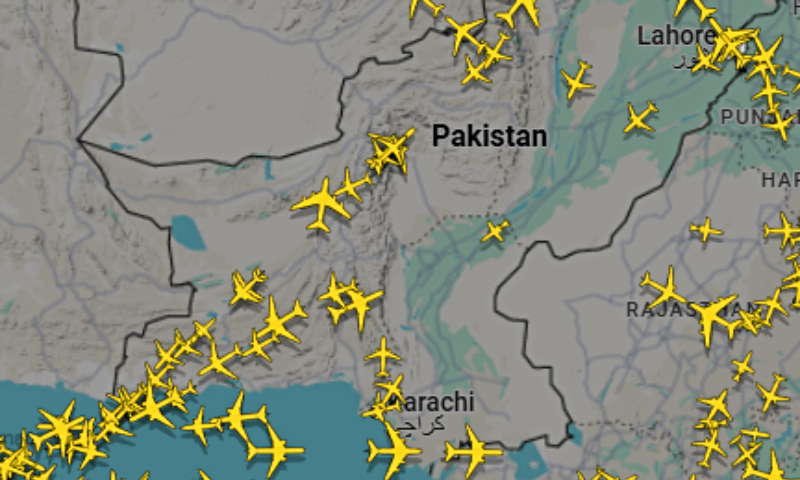
Pakistan Airspace Fully Operational this is the key message from the Pakistan Airports Authority (PAA) as it reassures airlines, passengers, and global aviation stakeholders amid temporary disruptions in neighbouring airspace.
From its headquarters at Jinnah International Airport, the authority issued a timely update highlighting that Pakistan’s skies remain safe, open, and fully functional despite evolving regional dynamics.
Tehran Airspace Closure and Its Regional Impact on Pakistan Airspace Fully Operational Status
According to a Notice to Airmen (NOTAM) issued by Tehran authorities, Iranian airspace is temporarily closed to civil aircraft between 11:30 AM and 5:00 PM Pakistan Standard Time (PKT). While this timeframe typically experiences lower volumes of east-west transit flights, the implications could grow if restrictions extend into peak hours.
For global carriers operating long-haul routes between Asia, Europe, and beyond, such closures often trigger rerouting strategies. In this context, Pakistan Airspace Fully Operational becomes a critical alternative corridor for international aviation traffic.
Pakistan Airspace Fully Operational: Prepared for Increased Overflight Traffic
The PAA has emphasized that its air traffic management systems are fully equipped to handle any potential surge in rerouted flights. Should Iranian restrictions extend beyond the current window, airlines are expected to increasingly rely on Pakistani airspace particularly during nighttime operations when traffic density is higher.
Importantly, authorities have confirmed that:
Air traffic control systems are functioning seamlessly, ensuring smooth coordination for both domestic and international flights. There are currently no delays, restrictions, or congestion issues across Pakistan’s aviation network. Safety protocols remain robust, aligning with international aviation standards.
This proactive readiness reinforces Pakistan’s growing importance as a strategic aviation corridor in the region.
Aviation Safety and Reliability at the Core of Pakistan Airspace Fully Operational
At a time when regional uncertainties can disrupt global travel schedules, Pakistan is positioning itself as a reliable and secure alternative. The PAA has reiterated its unwavering commitment to aviation safety, operational excellence, and international collaboration.
Working closely with global aviation partners, Pakistan continues to maintain high standards of monitoring and response. This ensures that even in dynamic situations, airlines and passengers experience minimal disruption.
The authority’s confidence underscores a broader message: Pakistan’s aviation infrastructure is resilient, adaptable, and ready to support shifting global air traffic patterns.
Why Pakistan Airspace Fully Operational Matters for Global Aviation
The temporary closure of Iranian airspace highlights how interconnected global aviation truly is. Even localized restrictions can ripple across continents, affecting airline routes, fuel costs, and travel times.
In this environment, Pakistan’s fully operational airspace offers:
Greater route flexibility for international airlines navigating regional disruptions.
Reduced risk of delays due to efficient air traffic management systems.
Enhanced confidence among carriers relying on stable and secure transit corridors.
This positions Pakistan not just as a transit route, but as a dependable aviation partner in an increasingly complex global landscape.
Final Thoughts
As the situation evolves, all eyes remain on how regional airspace dynamics will shape international flight paths. For now, the message is clear and reassuring: Pakistan Airspace Fully Operational, with no compromise on safety, efficiency, or reliability.
For passengers and airlines alike, that assurance makes all the difference.