
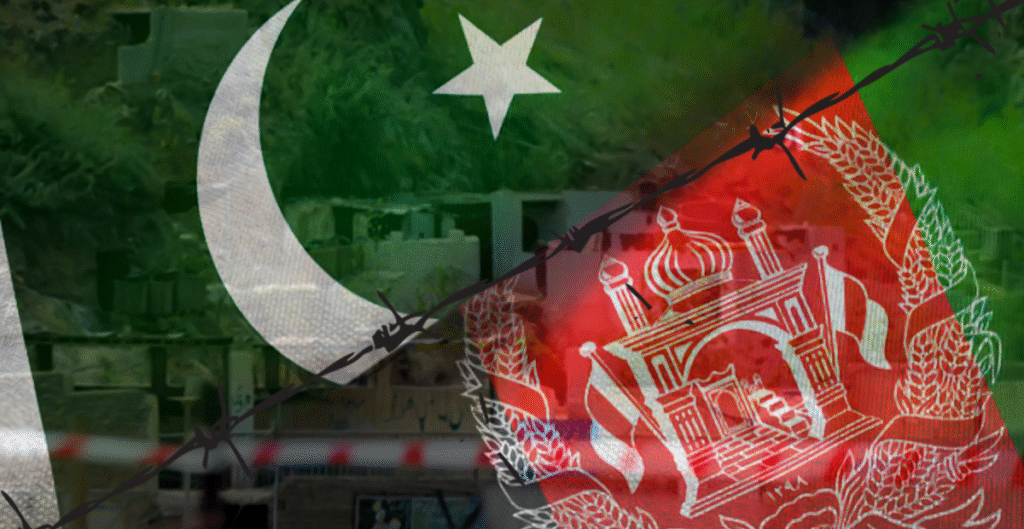
Tensions between Pakistan and Afghanistan have intensified in recent weeks as border clashes, militant attacks, and stalled peace talks push relations between the two neighbours to one of their lowest points in years.
The crisis escalated after a series of deadly incidents along the frontier, leaving dozens dead and hundreds injured. Pakistan has accused Afghanistan’s Taliban-led government of allowing the Tehrik-e-Taliban Pakistan (TTP) to use Afghan territory as a base for planning and launching attacks. Kabul, however, firmly denies the allegation, insisting it does not permit militant groups to operate from its soil.
Pakistan has experienced a significant surge in TTP-led violence targeting both civilians and security forces. In response, Islamabad claims to have carried out strikes on suspected TTP hideouts inside Afghan territory — a move that has further strained the relationship.
Efforts to defuse the situation have so far failed. Negotiations held in Doha and later in Istanbul ended without a breakthrough. Pakistani officials say they have no immediate plans for a fresh round of talks, though both countries had earlier agreed to honour a ceasefire framework.
The border closure has also deepened economic pressure on Afghanistan, which relies heavily on Pakistan’s ports for trade access. Analysts say this dependence underscores Islamabad’s leverage, though it also complicates humanitarian and commercial flows across the region.
At the heart of the dispute lies a historical fault line: the Durand Line. The colonial-era border drawn in 1893 has never been fully accepted by Afghanistan, fuelling decades of mistrust and periodic conflict. Experts also point to Pakistan’s past support for certain militant factions in Afghanistan — a strategy aimed at securing influence in Kabul — which they say has now backfired as the TTP grows more potent inside Pakistan.
With diplomatic avenues stalled and border security deteriorating, observers warn that the conflict risks widening unless both sides return to negotiations and take concrete steps to control cross-border militancy.