
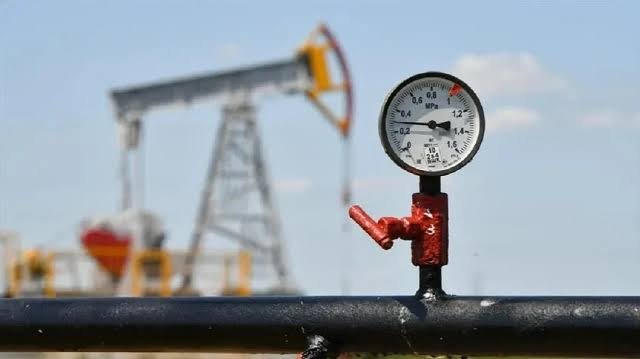
Oil prices slipped on Monday as investors took profits ahead of an expected announcement of fresh US sanctions targeting Iran.
Brent crude fell by more than $1 a barrel to around $93.16, while US West Texas Intermediate (WTI) declined to approximately $85.70 per barrel. The decline came after oil prices had gained more than 5% during the previous week.
Investors Await Details of New Iran Sanctions
The latest movement in oil markets comes as US Treasury Secretary Scott Bessent prepares to announce a new package of sanctions against Iran.
Washington has indicated that the measures could target countries and businesses that continue trading with Tehran, potentially putting additional pressure on Iran’s oil exports and international trade relationships.
For investors, however, the immediate focus remains on how severely the new measures could affect global crude supplies.
Strait of Hormuz Remains a Major Risk
The situation is particularly important because of continued uncertainty surrounding the Strait of Hormuz, a crucial route for global oil and gas shipments.
Tensions between Washington and Tehran have already disrupted energy flows in the region. Iran has warned that continued economic pressure could lead to restrictions on oil exports through the Gulf, raising concerns about a potentially wider supply shock.
Any significant disruption around Hormuz could quickly affect international energy prices because of the importance of the waterway to global oil transportation.
Why Did Oil Prices Fall Despite Supply Risks?
The latest decline does not necessarily indicate that concerns about supply have disappeared.
Instead, traders appear to be taking profits after last week’s strong rally while waiting for greater clarity on the scope of the new US sanctions. Brent had gained around 6.6% last week, leaving investors with an opportunity to lock in profits before the announcement.
This means oil markets are currently balancing two opposing forces: potentially tighter supplies from Iran and the possibility that the new sanctions could further disrupt regional energy flows, versus short-term profit-taking by traders.
Iran’s Oil Exports Face Fresh Pressure
Iran remains heavily dependent on oil revenues, making restrictions on crude exports particularly important for its economy.
The latest sanctions could make it more difficult for Iranian oil to reach international buyers and could increase the risks faced by companies, banks and shipping businesses involved in Iranian energy trade.
China is particularly important because it has remained a major buyer of Iranian crude. Any measures aimed at countries purchasing Iranian oil could therefore have a significant impact on global trading patterns.
What It Means for Global Oil Markets
The direction of oil prices in the coming days will largely depend on how the sanctions are implemented and whether Iran responds with further restrictions on energy shipments.
A limited sanctions package could allow markets to remain relatively stable. However, stronger enforcement against Iranian oil buyers or an escalation around the Strait of Hormuz could create renewed upward pressure on crude prices.
Global inventories are already showing signs of tightening, adding another layer of uncertainty for energy markets.
For oil-importing economies, a sustained rise in crude prices could increase transportation, electricity and industrial costs, potentially adding to inflationary pressures.
Oil Market Outlook Remains Uncertain
The latest decline in crude prices provides some temporary relief to consumers and oil-importing countries, but the broader outlook remains highly uncertain.
Investors will closely monitor the details of the US sanctions, Iran’s response and developments around the Strait of Hormuz.
For now, oil markets appear to be caught between profit-taking and growing concerns over supply disruptions. Any major escalation could quickly reverse the latest price decline.