
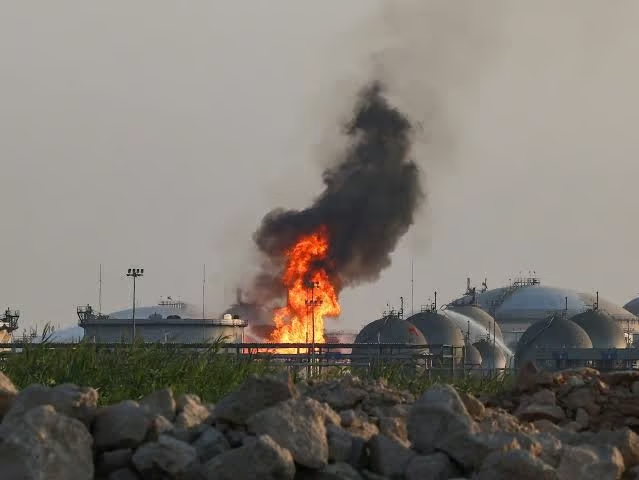
Oil prices rose by more than 1% on Wednesday after Yemen’s Houthis claimed they had struck Saudi Arabia’s largest refinery with a missile, reviving concerns over supply security from one of the world’s leading crude exporters.
The claim added to existing geopolitical uncertainty in the Middle East, prompting investors to reassess potential risks to energy infrastructure and global oil supplies.
READ MORE: https://theboardroompk.com/lucky-core-industries-margins-hit-multi-year-lows-in-1qfy27/
Brent and WTI Rebound After Previous Session’s Decline
Brent crude futures increased by $1.59, or 1.4%, to $115.47 per barrel in early trading. US West Texas Intermediate (WTI) crude gained $1.43, or 1.4%, to reach $101.33 per barrel.
The gains reversed part of the nearly $2 decline recorded in the previous session, as renewed concerns about regional supply disruptions supported prices.
Houthi Claim Raises Concerns Over Saudi Energy Infrastructure
The Houthis said their missile had hit a refinery with a capacity of 550,000 barrels per day. Saudi authorities had not confirmed the reported strike at the time oil prices moved higher.
The claim added to a series of Houthi actions targeting Saudi energy and infrastructure facilities, keeping attention focused on the potential consequences of further attacks.
As a major crude exporter, Saudi Arabia plays a significant role in global energy markets. Any threat to its oil infrastructure can increase concerns about supply availability, particularly when geopolitical tensions are already elevated.
Geopolitical Uncertainty Supports Oil Risk Premium
Commodity strategists at ING said markets continued to price in a greater likelihood of further escalation. They pointed to uncertainty surrounding potential US actions toward Iran and the outcome of upcoming elections as additional factors influencing sentiment.
According to the strategists, a period without fresh strikes could allow some of the geopolitical risk premium in oil prices to ease.
For now, traders remain sensitive to developments across the region, with further attacks or signs of de-escalation likely to influence price movements.
US Crude Inventories Provide Mixed Signals
Industry data showed that US crude oil inventories fell by approximately 2.03 million barrels in the week ended October 23. Analysts had expected a modest increase instead.
Official inventory figures were due later on Wednesday and were expected to provide further insight into US supply conditions and demand trends.
The unexpected decline in industry-reported stocks offered another factor for traders to assess alongside geopolitical developments, although the official figures remained an important point of focus.
OPEC+ Expected to Maintain December Output Targets
OPEC+ producers are expected to leave their December production targets unchanged at a meeting scheduled for Sunday. Most core members are already producing below their current targets.
Meanwhile, Russian crude exports from Baltic and Black Sea ports could ease next month as domestic refineries increase diesel production.
These developments add another dimension to the supply outlook, with production decisions, refinery activity and export flows all contributing to market expectations.
Oil Markets Remain Sensitive to Supply Risks
The combination of an unconfirmed refinery strike claim, elevated geopolitical tensions and mixed US inventory signals pushed oil prices higher on Wednesday.
Market direction will depend on further developments in the Middle East, official inventory data and signals from major oil-producing countries. Until greater clarity emerges, concerns over potential supply disruptions are likely to remain a key influence on crude prices.