
The National Electric Power Regulatory Authority (NEPRA) has officially notified the Prosumer Regulations, 2026, marking a major update to Pakistan’s renewable energy landscape.
Issued on February 9, 2026, and effective immediately, these rules replace the decade-old net metering system with a net billing framework for distributed generation up to 1 MW.
Key Features of the New Regulations
Prosumers—consumers who generate their own electricity using clean sources like solar panels, wind turbines, or biogas plants—can now interconnect with the grid under structured agreements.
Eligible participants include domestic, commercial, industrial, and agricultural users connected at 400V or 11kV.
The regulations allow generation capacities from small rooftop setups to 1 MW, promoting shared energy partnerships.
Transition and Billing Changes
The old 2015 net metering regulations have been repealed.
Surplus electricity supplied to the grid will be credited at the national average energy purchase price (around Rs11 per unit in recent estimates), while grid consumption is billed at the full applicable consumer tariff.
Monthly adjustments apply, with credits carried forward or paid quarterly if supply exceeds use.
Existing net metering agreements remain valid until expiry, after which they transition to the new net billing model.
Approval and Safety Requirements
Applicants must apply through their local distribution company (licensee) for technical studies and interconnection.
NEPRA provides formal concurrence to ensure compliance with safety, technical, and legal standards.
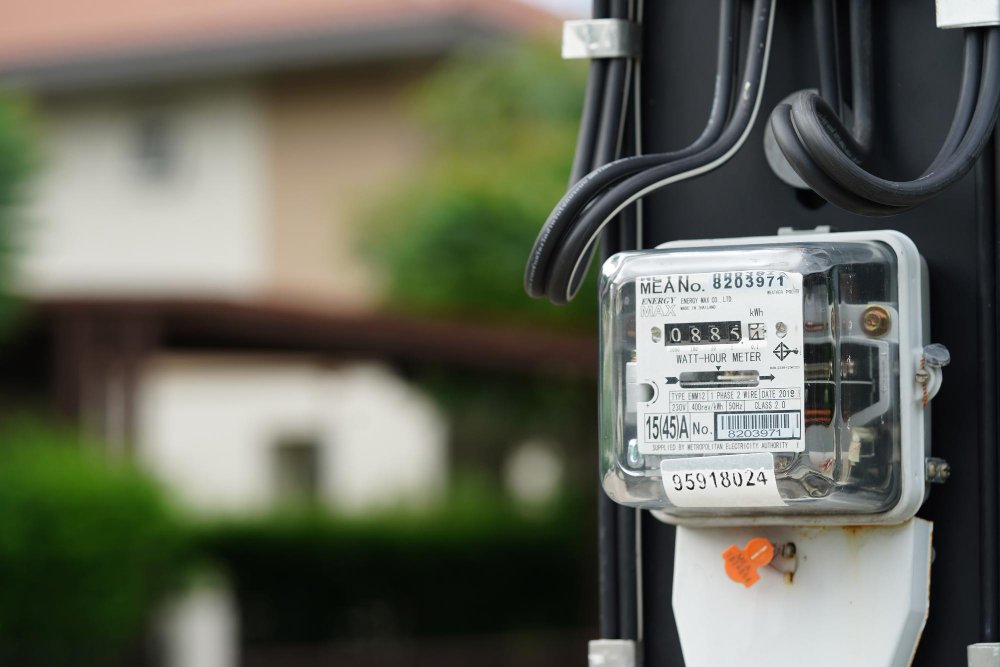
Agreements last five years (renewable), and prosumers must maintain grid stability with protective equipment and bidirectional metering.
This shift aims to support sustainable energy while addressing grid challenges.
Critics, including consumers at a recent public hearing, have raised concerns over the rapid implementation and potential impact on solar adoption benefits.