
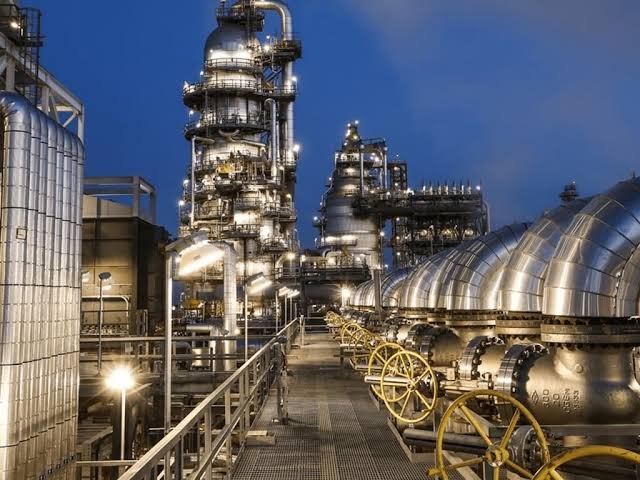
National Refinery Limited (NRL) expects Pakistan’s long-awaited refinery policy to be finalized soon, with most outstanding issues already resolved, paving the way for a major refinery upgrade worth between $400 million and $1.2 billion, according to Chief Executive Officer Asad Hasan.
Speaking at the Pakistan Investor Connect Conference organized by Topline Securities, Hasan outlined the company’s operational performance, financial position, and long-term growth strategy, saying the refinery policy is now closer to implementation than ever before.
National Refinery Eyes Major Upgrade Following Refinery Policy Approval
He said the proposed brownfield refinery upgrade would take approximately five to six years to complete after the policy is approved and implemented. The company is currently carrying out a detailed feasibility study through Wood Plc (UK), after which the final scope of the project will be determined.
The modernization project is designed to enable National Refinery to produce Euro-V compliant fuels, meeting tighter environmental standards while significantly reducing the production of furnace oil, a product facing declining domestic demand.
The investment is expected to transform the refinery’s product mix, improve operational efficiency, and strengthen Pakistan’s domestic refining capacity at a time when the country is seeking greater energy security and lower dependence on imported refined petroleum products.
Financing Plan Already Mapped Out
Management said financing options for the upgrade have also been identified.
Under the proposed financing structure, up to 27.5% of the project cost for a new plant could be funded through the OGRA escrow account, while the remaining amount would be financed through a combination of internally generated cash and commercial borrowing.
The company expects to maintain an optimal capital structure with a debt-to-equity ratio of either 80:20 or 70:30, depending on financing conditions when the project moves forward.
Focus Shifts Toward Higher-Value Fuels
Over the past several years, National Refinery has steadily shifted production toward higher-value petroleum products.
Production of High-Speed Diesel (HSD) is projected to increase from around 635,000 tonnes in FY22 to nearly 900,000 tonnes in FY26.
Output of Motor Spirit (MS), commonly known as petrol, has also grown significantly, almost doubling from approximately 160,000 tonnes in FY22 to around 300,000 tonnes in FY26.
In contrast, production of Lubricant Base Oil (LBO) has declined from 156,000 tonnes to approximately 125,000 tonnes during the same period, reflecting changing market dynamics and the company’s evolving production strategy.
Management believes the planned upgrade will further improve the refinery’s product slate by increasing production of cleaner transportation fuels while reducing lower-value fuel oil output.
Complex Operations Mean Higher Costs
Unlike conventional hydro-skimming refineries operating in Pakistan, National Refinery runs a more sophisticated refining configuration that includes the country’s only integrated Lubricant Base Oil production facility.
As a result, its operating cost averages $8 to $9 per barrel, compared with approximately $5 to $6 per barrel for conventional refineries.
The company said the higher operating cost reflects the complexity of its processing facilities rather than lower operational efficiency.
Smuggling Decline Improves Diesel Sales
Management acknowledged that widespread diesel smuggling had remained one of the biggest challenges facing the refining sector, limiting domestic demand for locally produced High-Speed Diesel.
However, market conditions have recently improved.
According to the company, the decline in diesel smuggling primarily linked to the prevailing security situation in Balochistan has strengthened local demand, allowing National Refinery to sell its entire diesel production over the past several days.
The improvement has supported refinery throughput after months of pressure on domestic sales.
Oil Price Spike Increased Working Capital Needs
The company also faced considerable financial pressure during the recent Iran-US conflict, which caused crude oil prices to surge.
Management said crude prices climbed from around $69 per barrel in February to an average of $126 per barrel in March.
Freight and insurance costs also increased sharply, rising from approximately $1-1.5 per barrel to $5-6 per barrel.
The higher procurement costs significantly increased the refinery’s working capital requirements.
Credit line utilization expanded from approximately Rs50 billion, which was sufficient to finance five crude cargoes in February 2026, to nearly Rs150 billion as crude import costs escalated.
Inventory Losses May Offset Earlier Gains
Despite benefiting from higher petroleum prices earlier in the year, National Refinery expects to report inventory losses after oil prices declined toward the end of the fourth quarter of FY26.
Management said the fall in petroleum product prices could erode a significant portion of the gains generated during the earlier period of elevated crude prices.
Profitability has also been affected by weaker domestic demand for bitumen and furnace oil, forcing the refinery to export larger volumes at lower international prices.
Capacity Depends on Crude Mix
National Refinery said it can operate at 85% to 90% of its nameplate refining capacity when processing lighter crude oil.
Its current crude mix consists of approximately 70% light crude and 30% heavy crude. The company explained that heavier crude remains necessary because it is essential for producing lubricant base oil, one of its specialized products.