
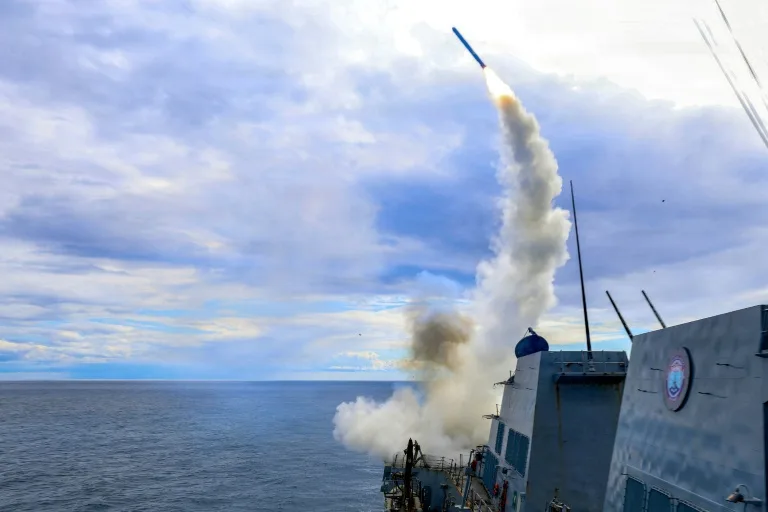
Middle East Conflict Credit Risk is once again in the spotlight as geopolitical tensions escalate following recent strikes involving Iran, Israel, and the United States. According to Fitch Ratings, Gulf economies may be resilient in the short term but a prolonged conflict could reshape the region’s financial stability in ways investors cannot ignore.
Middle East Conflict Credit Risk and Short-Term Resilience
Despite rising tensions, most Gulf sovereigns appear financially equipped to absorb immediate shocks. Strong fiscal buffers, accumulated oil revenues, and strategic reserves provide a cushion against temporary disruptions.
Fitch’s baseline scenario suggests the conflict could last less than a month, largely due to Iran’s constrained military capacity and Washington’s reluctance to engage in a prolonged war. However, even a short conflict brings heightened uncertainty, particularly as retaliatory actions from Iran and allied groups may intensify.
In the near term, the region’s economic machinery may slow but not stall.
Energy Flows: The Core of Middle East Conflict Credit Risk
The biggest threat lies at the heart of global energy supply: the Strait of Hormuz. This narrow passage handles more than 20 million barrels of oil, refined products, and LNG daily making it one of the most critical chokepoints in the global economy.
Fitch warns that even without direct infrastructure destruction, the Strait could effectively become inaccessible due to security threats, insurance challenges, and logistical disruptions.
While major producers like Saudi Arabia and the UAE have alternative export routes and overseas reserves, others remain vulnerable. Countries such as Bahrain, Kuwait, Qatar, and Iraq depend heavily on this route, exposing them to short-term export shocks.
That said, rising oil prices could partially offset revenue losses, softening the immediate fiscal blow.
Economic Ripple Effects Beyond Oil
The Middle East Conflict Credit Risk extends beyond energy markets. Non-oil sectors often seen as the future of Gulf diversification are also at risk.
Air travel disruptions, reduced tourism, declining consumer confidence, and potential expatriate outflows could temporarily weaken key industries like real estate and hospitality.
For nations positioning themselves as global business hubs, even short-term instability can have lasting reputational consequences. Investor sentiment is fragile, and perception often matters as much as reality in global markets.
Sovereign Credit Ratings Under Pressure
Fitch highlights that geopolitical risks are already embedded in sovereign ratings across the region. However, escalation could trigger further downgrades.
Countries with strong reserves and diversified revenue streams are better positioned to maintain stability. In contrast, nations with higher dependency on a single export route or sector face elevated risks.
Meanwhile, Israel faces a different challenge. Sustained military mobilization, particularly involving reservists, could strain public finances and economic output. Fitch has already assigned a Negative Outlook, signaling potential rating pressure if the conflict drags on.
The Uncertainty Factor: What Happens Next?
At its core, Middle East Conflict Credit Risk is driven by uncertainty. While a short-lived conflict may leave only temporary scars, prolonged instability could have deeper consequences.
Two critical factors will determine the region’s financial trajectory:
• The duration and intensity of the conflict
• The extent of disruption to energy exports and infrastructure
Additionally, any shifts in Iran’s internal political stability could introduce new variables into an already volatile equation.
Final Thoughts: Resilient-but Not Immune
Gulf economies have proven their resilience time and again, supported by vast reserves and strategic foresight. However, resilience is not immunity.
The current crisis serves as a reminder that even the strongest economies are interconnected with geopolitical realities. As markets watch closely, the balance between conflict containment and escalation will define not just regional stability but global economic sentiment.