
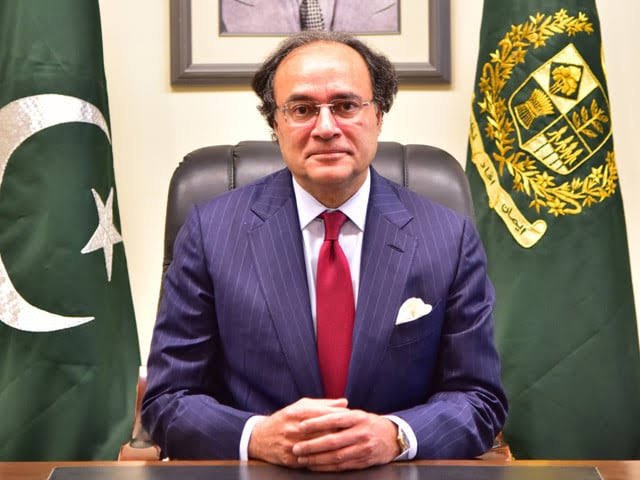
Finance Minister Muhammad Aurangzeb has cautioned that planned long marches, sit-ins and strikes could inflict around Rs120 billion in daily losses on the national economy.
He described such disruption as “self-inflicted pain” just as the country tries to move from stabilisation toward steadier growth.
Three groups have announced marches on the capital this week. Jamaat-e-Islami wants the petroleum development levy withdrawn. Kissan Ittehad is seeking farmer relief. Pakistan Tehreek-e-Insaf is demanding the release of Imran Khan.
Daily Losses Across Key Sectors
Aurangzeb said officials worked with the Planning Commission to estimate the impact of road blockages and business closures.
The services sector would take the heaviest hit, at about Rs86 billion a day. That covers financial services, communications, transport, retail, wholesale and hospitality.
Industry could lose another Rs25 billion daily through construction, finished goods, raw materials and supply chains. Agriculture might lose around Rs9 billion, mainly from transport delays, perishable goods, dairy and farm trade.
Government revenues could fall by an estimated Rs17 billion if activity stalls.
Growth Gains Now At Risk
Pakistan’s economy contracted a few years ago. Growth reached 3.7 per cent last year, and officials hope it will cross 4 per cent this year.
Large-scale manufacturing has shown month-on-month and year-on-year gains in July and August. The stock market has drawn more investors. Eleven IPOs were completed last year and five more in the first two months of this fiscal year.
Goods exports are targeted at $32.9 billion, a rise of about 6 per cent. Daily goods export volume stands near $90 million. Past disruptions have cut exports by almost half in the worst cases.
Exporters already face higher freight and insurance costs from tensions in the Gulf and around Bab el-Mandeb. Fresh domestic blockages would add to that pressure.
Ordinary Citizens Would Bear The Brunt
Aurangzeb noted that headline figures hide who pays first. Daily-wage workers, small shopkeepers and small businesses would feel the squeeze immediately.
He also pointed to security demands and extra spending on deployments, logistics, transport and fuel if large protests go ahead.
Foreign direct investment reached $311 million in August. He argued that local and foreign investors look first for basic stability.
Tax collection has risen 40 per cent over two years. The government wants to keep broadening the base rather than slide back into boom-and-bust cycles.
Call For Dialogue Over Disruption
“This is very hard-earned macroeconomic stability,” Aurangzeb said. He asked political and other stakeholders to resolve differences through talks instead of actions that close roads and shops.
“Whatever problems we have, we should sit together,” he added. The transition from stabilisation to growth, he said, is a shared responsibility.