
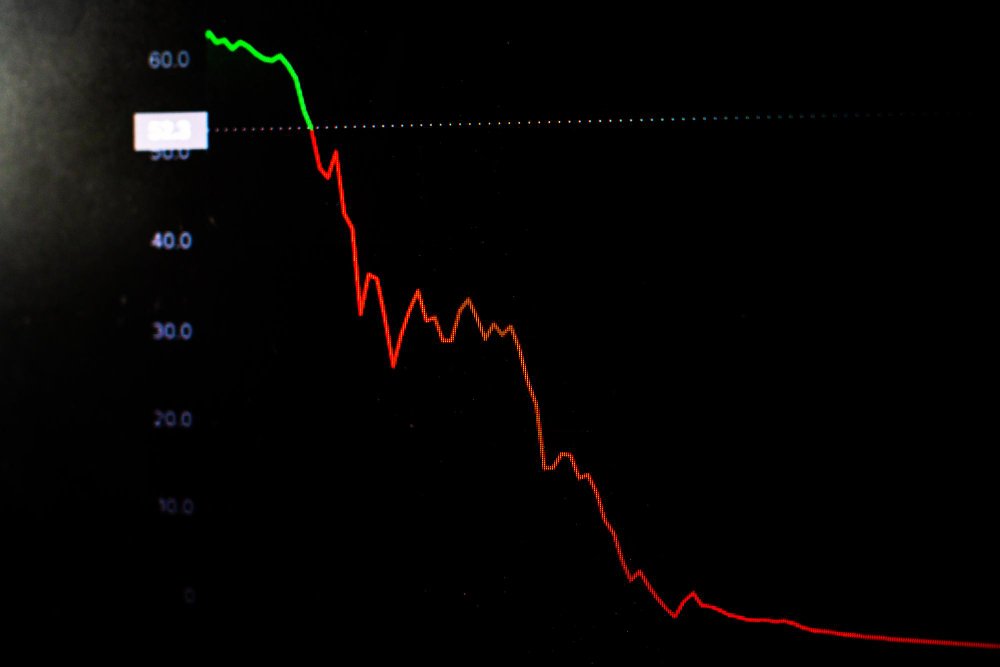
The KSE-100 Index pullback dominated market headlines on Wednesday as Pakistan’s benchmark index reversed course following a powerful rally in the previous session. After surging more than 5,000 points on Tuesday, the market slipped into correction mode, reflecting investor anxiety driven by escalating geopolitical tensions in the Middle East.
The index settled at 155,777.21, marking a decline of 1,354.88 points (0.86%). This sudden downturn highlights how fragile investor confidence remains, especially when global uncertainties come into play.
Volatility Returns Amid Global Uncertainty
The trading session was marked by sharp volatility, with the index swinging across a wide range of over 3,100 points. It briefly touched an intraday high of 157,962, before plunging to a low of 154,790 a clear sign of indecision among investors.
Market participation remained moderate, with 362 million shares traded, indicating that investors chose caution over aggressive positioning after the previous day’s rally.
The primary trigger behind this KSE-100 Index pullback was rising geopolitical tension, particularly concerns surrounding potential escalation between the United States and Iran. These developments sent ripples across global markets, prompting investors to reduce exposure to riskier assets like equities.
Market Breadth Turns Negative
Despite Tuesday’s optimism, Wednesday painted a different picture. Declining stocks outpaced advancing ones, reflecting broad-based weakness across sectors.
Out of nearly 500 listed companies, over 200 stocks declined, while slightly fewer managed to close in the green. This shift suggests that profit-taking activity and risk aversion took center stage.
Among the notable gainers were UNITY, SSGC, and UPFL, showing resilience despite overall market pressure. On the flip side, stocks like IBFL, AKBL, and PABC recorded significant losses, contributing to the negative sentiment.
Heavyweights Drag the Index Down
The KSE-100 Index pullback was largely driven by losses in major index-heavy stocks. Companies like ENGROH, HBL, UBL, NBP, and LUCK collectively shaved off substantial points from the index.
However, not all sectors were under pressure. Energy-related stocks, particularly oil and gas exploration companies, provided some cushion. Fertilizer and select consumer stocks also showed modest gains, preventing a steeper decline.
Sector-Wise Performance Reflects Risk-Off Mood
The biggest losses came from sectors closely tied to economic activity and financial flows. Commercial banks led the decline, followed by cement, investment companies, and technology-related stocks.
Meanwhile, defensive and commodity-linked sectors showed relative strength. Oil & gas exploration, marketing companies, and fertilizer sectors attracted investor interest, as they are often seen as safer bets during global uncertainty.
Broader Market Mirrors Weak Sentiment
The broader market echoed the trend seen in the benchmark index. The All-Share Index declined by 0.61%, closing at 92,994.51.
Trading activity also slowed noticeably. Total market volume dropped to 622 million shares, while overall traded value fell to Rs29.95 billion, down significantly from the previous session. This indicates a wait-and-see approach among investors.
In practical terms, while hundreds of companies were actively traded, the balance tilted slightly toward declining stocks, reinforcing the cautious tone dominating the market.
High-Volume Stocks: Where Activity Concentrated
Investor attention remained focused on a handful of high-volume stocks. UNITY led the pack with over 117 million shares traded, followed by KEL and TSBLR1.
Other actively traded names included BOP, PPL, and PAEL, reflecting a mix of speculative interest and sector-specific positioning. These stocks often act as sentiment indicators, and their mixed performance further underlines the uncertainty in the market.
Big Picture: Strong Fiscal Gains, Short-Term Pressure
Despite the KSE-100 Index pullback, the broader trend remains noteworthy. The index has gained 24% during the current fiscal year, reflecting strong underlying momentum.
However, on a calendar-year basis, the market is still down by over 10%, highlighting ongoing volatility and macroeconomic challenges.
Outlook: What Lies Ahead for Investors?
The current KSE-100 Index pullback underscores a critical reality: Pakistan’s stock market remains highly sensitive to global geopolitical developments.
If tensions in the Middle East escalate further, investor sentiment may remain subdued in the short term. However, any signs of de-escalation or stability could trigger another round of bargain hunting, similar to Tuesday’s rally.
For now, investors appear to be balancing optimism about long-term growth with caution over immediate risks a dynamic that is likely to shape market direction in the coming sessions.