
Karachi Traffic Signals Set for Major Digital Upgrade
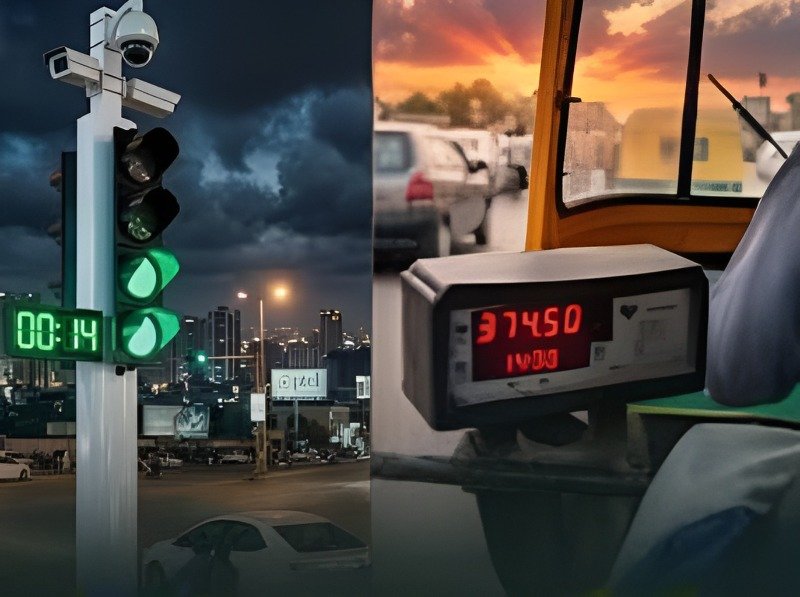
The Karachi administration has launched a major initiative to modernise the city’s transportation network by computerising Karachi traffic signals and introducing digital fare meters in rickshaws.
The decision was taken during a meeting of the Regional Transport Authority (RTA) Board chaired by Commissioner Karachi Hassan Naqvi. The meeting reviewed several measures aimed at improving traffic management and providing better transport facilities for residents.
Officials said work on computerising traffic signals has already begun at various locations across the city. The initiative is expected to improve traffic flow, reduce congestion and enhance road safety.
The adoption of digital technology could also strengthen the monitoring and management of Karachi’s increasingly complex transportation network.
Smart Traffic Management System to Be Introduced
The computerisation of Karachi traffic signals is one of the key components of the administration’s latest transport strategy.
Officials said the first phase would focus on upgrading five major traffic intersections across the city.
Initial installation work is being carried out at traffic signals near PIDC, Sindh Club and Avari Towers, which are among Karachi’s busiest areas.
Authorities expect the replacement of conventional traffic control systems with computerised technology to improve traffic management and reduce delays caused by heavy vehicle movement.
The initiative comes as Karachi continues to experience growing traffic congestion due to rapid urban expansion, an increasing number of vehicles and inadequate transport infrastructure.
Non-Functional Traffic Signals Restored
During the RTA Board meeting, Commissioner Hassan Naqvi said authorities had also made progress in restoring faulty traffic signals across the city.
According to the commissioner, 12 of the 16 non-operational traffic signals identified in Karachi have been repaired and brought back into service.
Officials said the restoration work has already helped improve traffic movement at several important intersections.
Maintaining traffic signals in proper working condition is essential for improving road safety, managing vehicle movement and reducing unnecessary congestion.
Advanced traffic management systems could further enable authorities to monitor traffic conditions more efficiently and respond more quickly to changing road conditions.
Digital Rickshaw Meters Approved
The Regional Transport Authority Board has also approved the installation of digital meters in rickshaws operating across Karachi.
The new meters are expected to improve transparency in fare collection and reduce disputes between passengers and rickshaw drivers over transportation charges.
Digital fare meters could help establish standardised fares and provide commuters with greater certainty about the amount they are required to pay.
The initiative is also expected to contribute to a more organised public transport system while giving authorities improved tools to monitor transport operations and enforce fare regulations.
New Bus Routes Planned for Karachi
Alongside the computerisation of Karachi traffic signals and introduction of digital rickshaw meters, authorities have announced plans to expand public transport services across the city.
Commissioner Hassan Naqvi directed the Regional Transport Authority to develop new bus routes based on residents’ transportation needs and travel patterns.
The proposed routes are intended to improve connectivity and reduce the difficulties faced by millions of daily commuters.
Karachi, Pakistan’s largest city and a major financial and commercial centre, has long faced challenges involving traffic congestion, overcrowded roads and limited public transportation options.
Improved traffic management combined with expanded public transport could therefore play an important role in making urban mobility more efficient.
Digital Transport Reforms Could Improve Urban Mobility
The latest measures indicate a growing shift toward technology-based transportation management in Karachi.
Computerised traffic signals could help authorities manage intersections more efficiently, while digital rickshaw meters may provide greater transparency for passengers and transport operators.
However, the long-term success of these initiatives will depend on proper implementation, regular maintenance and effective enforcement.
If the new systems are consistently maintained and integrated with broader public transport reforms, they could help reduce congestion, improve commuter experiences and strengthen traffic management across Karachi.